Skip to content


 Vertical Blinds
 Roman Blinds
 Roller Blinds
 Venetian Blinds
 Day and Night Blinds
 Skylight Blinds
 Children
 Wooden Blinds
 Curtains
 Blinds Accessories
 White
White Yellow
 Gold
Gold Green
Green Grey
Grey Pink
Pink Orange
 Animal
 Floral
 Geometric
 Striped
 Motorized Day and Night Blinds
 Motorized Roller Blinds
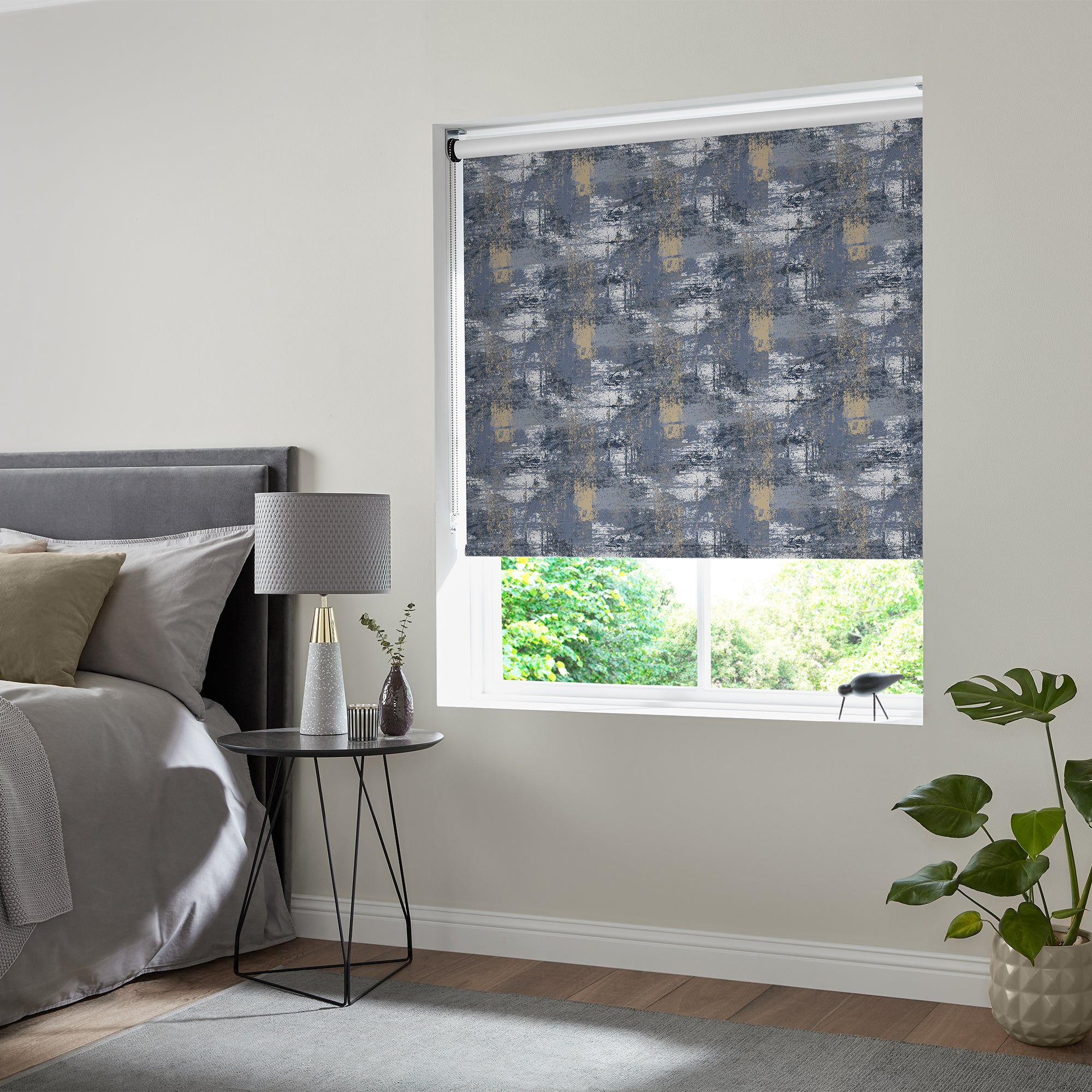 No Drill Rollers
 Perfect Fit Wooden
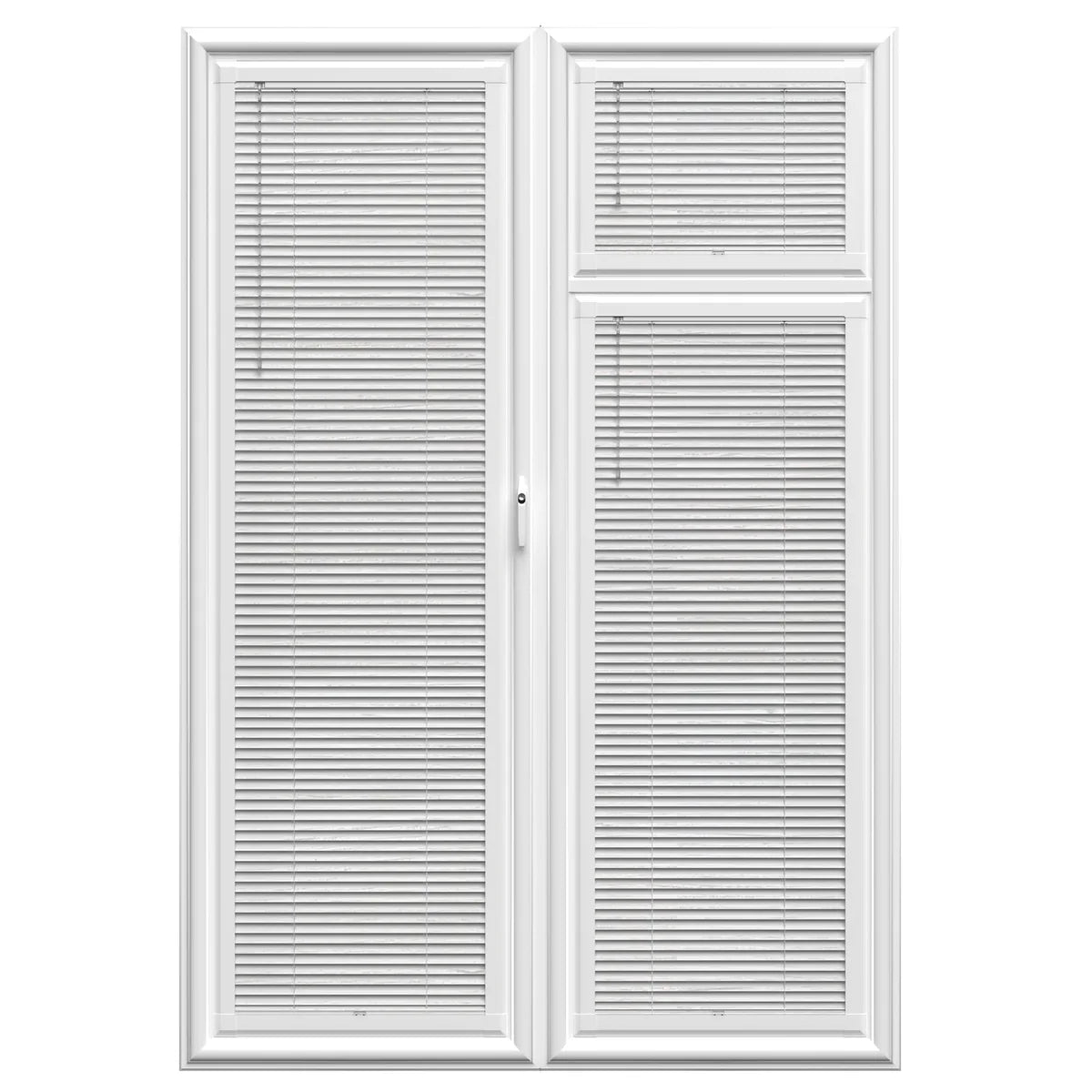 Perfect Fit Metal
 Thermal Blinds
 Better Sleep Blinds
 Cordless Blinds
 No Drill Blinds
 Blackout Blinds
 Waterproof Blinds
 Easy Wipe Blinds
 Taped Blinds
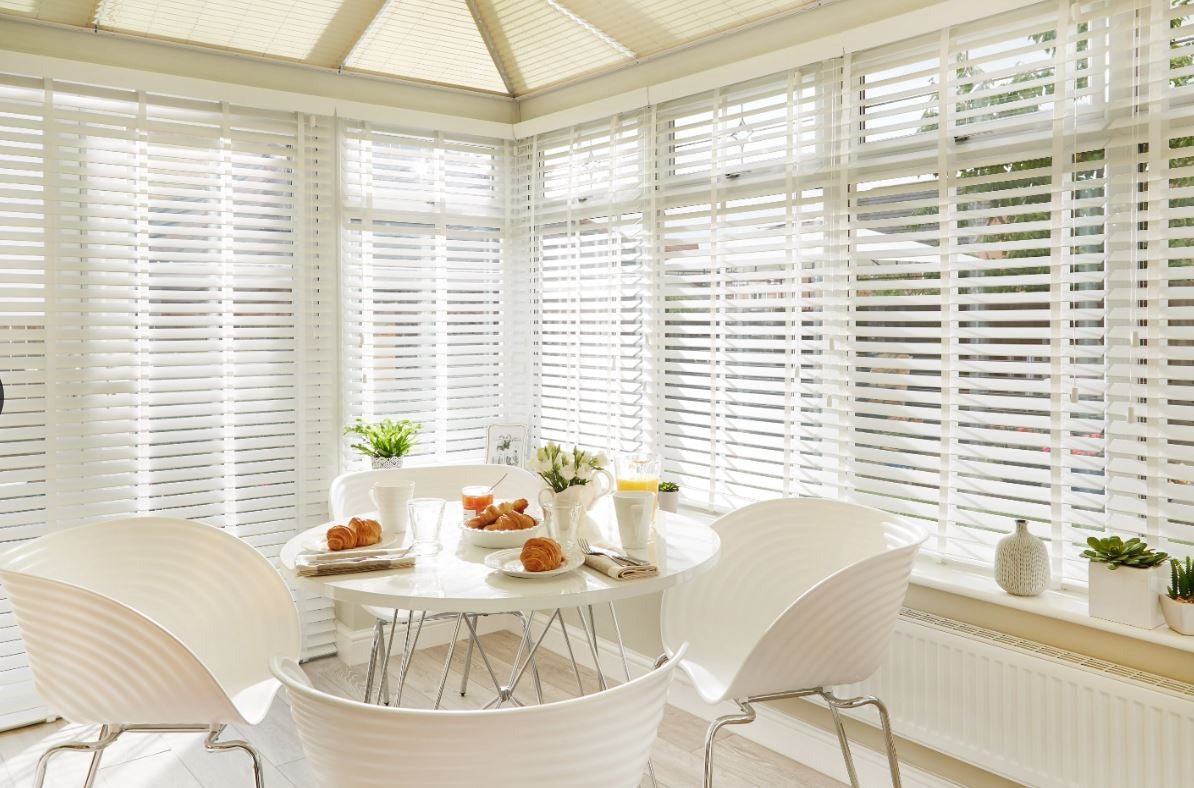 Conservatory
 Office
 Kitchen
 Bathroom
 Dining Room
 Kids Room
 Living Room
 Bedroom
 Bay Window
 Conservatory Window
 Tild and Turn Window
 Bi Fold Window
 Roof of Skylight
 French Door
 Sliding Door
Best Blackout Blinds for Children's Bedrooms and Nurseries
- by Mariam Labadze
 Ask any parent of a young child what single change most improved their family's sleep, and blackout blinds come up more often than almost anything else. The reason is straightforward: infants and toddlers are acutely sensitive to light cues, and even modest daylight filtering into a room at 5am or during a nap time is enough to trigger wakefulness. A room that is genuinely dark — not dimmed, but dark — removes that trigger entirely.
The difficulty is that not all blackout blinds deliver on that promise. Fabric that is rated blackout but fitted with visible gaps around the edges will still admit enough light to cause problems, particularly in summer when the sun rises before 5am and sets well into the evening. This guide covers the best blind types for children's rooms and nurseries, with an honest assessment of which options actually work and which merely approximate darkness.
[toc]
Why Fitting Matters as Much as Fabric
Blackout fabric classification refers to the opacity of the material itself — a true blackout fabric blocks effectively all light passing through it. What the classification does not address is the installation. A standard roller blackout blind hung on brackets inside a window recess will leave a gap of several millimetres on each side between the fabric and the frame. In a brightly lit room at dawn, those gaps are enough to project stripes of light across the ceiling and walls — and in a nursery, that is enough to end a nap.
For children's rooms, where the performance requirement is genuine rather than approximate, the fitting method is as important as the fabric choice. The options that eliminate gaps rather than reduce them are the ones worth prioritising.
The difference between a blind that darkens a room and one that actually blackouts it almost always comes down to gaps at the edges — not the fabric itself.
The Best Blackout Blind Options for Children's Rooms
1. Perfect Fit Blackout Roller Blinds — Best Overall
For windows with uPVC or aluminium frames, a perfect fit blackout roller blind is the most effective solution available. The blind clips directly into the window bead with no brackets and no clearance gap, which means the fabric sits flush against the frame on all four sides. There is nowhere for light to enter except through the fabric itself — and with a blackout-rated fabric, that route is closed. The result is a genuinely dark room, not a dimmed one. Perfect fit roller blinds are also child-safe by design: no exposed cords, no dangling chains, and no mechanism within reach of small hands. They operate via a spring-loaded cassette that retracts the fabric cleanly when released. For nurseries and toddler rooms, this is the specification worth starting with.
2. Perfect Fit Blackout Pleated Blinds — Best for Texture and Softness
For parents who want the light-blocking performance of a perfect fit blind with a softer, more textile appearance, perfect fit pleated blinds in a blackout fabric offer the same gap-free installation in a concertina format. The pleated construction means the fabric compresses neatly at the top of the window when raised, with no visible roller or headrail. The look is cleaner and slightly less utilitarian than a roller, which suits rooms with a considered interior scheme. Performance is equivalent to the roller format — the fitting system is identical, so the gap-free seal is maintained regardless of blind style.
3. Blackout Roller Blinds With Side Channels — Best for Non-uPVC Windows
For timber-framed windows or any window where a perfect fit blind is not compatible, a standard blackout roller blind fitted with side channels is the next best option. Side channels are U-shaped plastic guides fixed to the window frame on each side, through which the fabric travels as the blind is raised and lowered. They eliminate side-light bleed almost entirely and bring the performance of a standard roller blind significantly closer to that of a perfect fit installation. The top gap between the headrail and the ceiling or lintel may still admit some light, which can be addressed by face-fixing the blind high above the window frame so the headrail is positioned above the light path. This combination — side channels plus high face-fix — is the most effective approach for timber-framed children's room windows.
4. Honeycomb Blackout Blinds — Best for Thermal Comfort and Darkness
For nurseries where temperature regulation is as important as light control, a honeycomb blackout blind delivers both. The cellular construction traps air within the fabric, providing insulation that keeps the room cooler in summer and warmer in winter — both of which support better infant sleep. Available in blackout fabric and in a perfect fit format for uPVC windows, a honeycomb blackout blind in a nursery is arguably the most complete single-blind solution available. The insulation benefit is not marginal; in a well-insulated nursery with a honeycomb blind, the room temperature is meaningfully more stable than with a standard roller.
Child Safety: What to Check Before Buying
Blind cord safety is a legal requirement in the UK, not an optional extra. All blinds sold for use in rooms occupied by children must comply with BS EN 13120, which regulates the length and accessibility of operating cords and chains. Looped cords and chains accessible to children under 42cm from the floor are prohibited.
In practice, the safest options for children's rooms are cordless blinds — spring-operated roller blinds and perfect fit systems with no external cord — or blinds with a wand control rather than a looped chain. If you are purchasing a blind for a child's room and the product has an exposed looped cord at a low height, it does not meet current UK safety standards and should not be installed. All blinds supplied by 1ClickBlinds for child-safe applications are compliant with current UK regulations.
Does Blind Colour Affect Sleep?
In terms of light-blocking performance, blind colour makes no practical difference once you are using a true blackout-rated fabric. A white blackout fabric and a navy blackout fabric perform identically when the slats or fabric are closed and the room is sealed from light. The colour choice is purely aesthetic.
Where colour does matter is in the room's visual environment during waking hours. Lighter colours reflect more of the available light when the blind is raised, which keeps the room brighter during daytime play. Darker colours absorb more light and may make the room feel slightly more subdued throughout the day. For most nurseries and children's rooms, a neutral or light-coloured blackout blind is the most versatile choice — effective in darkness mode and unobtrusive when raised.
What About Portable Blackout Solutions?
For travel, temporary rentals or rooms where a permanent blind is not yet in place, portable blackout blinds — self-adhesive panels that attach directly to the glass — are worth knowing about. They are not a long-term replacement for a properly fitted blind; adhesive residue can be an issue and the coverage is rarely as complete as a well-fitted roller. But as a temporary measure for a holiday cottage bedroom or a grandparent's house during a visit, they are a practical stopgap that costs very little and takes seconds to apply.
The Recommendation
For most children's bedrooms and nurseries with uPVC or aluminium windows, a perfect fit blackout roller blind is the right starting point: gap-free, cord-free, easy to clean and reliably effective. For timber-framed windows, pair a quality blackout roller with side channels and a high face-fix position. For nurseries where temperature control matters as much as light control, step up to a honeycomb blackout blind in a perfect fit format.
Browse the full range of blackout blinds to find the right specification for your child's room, with all options available made to measure for a precise, gap-minimising fit.