Skip to content


 Vertical Blinds
 Roman Blinds
 Roller Blinds
 Venetian Blinds
 Day and Night Blinds
 Skylight Blinds
 Children
 Wooden Blinds
 Curtains
 Blinds Accessories
 White
White Yellow
 Gold
Gold Green
Green Grey
Grey Pink
Pink Orange
 Animal
 Floral
 Geometric
 Striped
 Motorized Day and Night Blinds
 Motorized Roller Blinds
 No Drill Rollers
 Perfect Fit Wooden
 Perfect Fit Metal
 Thermal Blinds
 Better Sleep Blinds
 Cordless Blinds
 No Drill Blinds
 Blackout Blinds
 Waterproof Blinds
 Easy Wipe Blinds
 Taped Blinds
 Conservatory
 Office
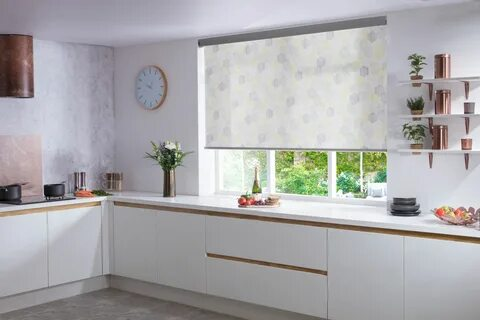 Kitchen
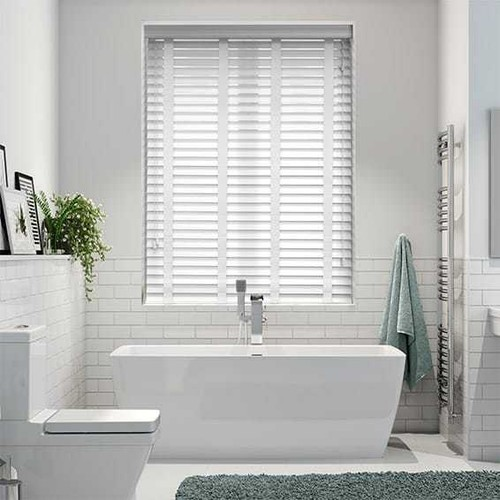 Bathroom
 Dining Room
 Kids Room
 Living Room
 Bedroom
 Bay Window
 Conservatory Window
 Tild and Turn Window
 Bi Fold Window
 Roof of Skylight
 French Door
 Sliding Door
Wooden Blinds vs Venetian Blinds: Which Suits Your Home Better?
- by Mariam Labadze
 When people say "venetian blinds," they could mean anything from a sleek aluminium slatted blind in a modern office to a warm basswood blind in a country cottage. The terminology causes genuine confusion, because wooden blinds are technically a type of venetian blind — they share the same horizontal slat mechanism. But in practice, shoppers use the terms to distinguish between two quite different products: wooden (or faux wood) blinds and aluminium venetian blinds.
Understanding the differences matters because each material has distinct strengths, weaknesses, and ideal use cases. This comparison covers everything you need to make the right choice for your home.
Quick Answer: Wooden blinds use natural timber or faux wood (PVC/composite) slats and offer a warm, premium aesthetic with wider slat sizes (typically 35mm or 50mm). Aluminium venetian blinds use lightweight metal slats (usually 25mm) and are more affordable, moisture-resistant, and suited to modern or commercial spaces. Faux wood blinds bridge the gap — offering the look of real wood with better moisture resistance and a lower price. Choose wooden blinds for living rooms and bedrooms where warmth and style matter, and aluminium venetians for kitchens, bathrooms, and budget-conscious projects.
Understanding the Key Differences
Material and Construction
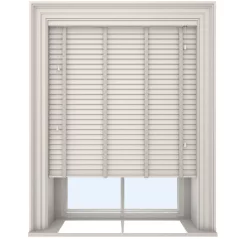
Real wood blinds are made from hardwood timbers — commonly basswood, paulownia, or cedar. These are natural materials that lend genuine character and warmth to a room. Each slat has subtle grain variations, and the weight and feel of real wood is unmistakable. They are typically finished with a paint, stain, or lacquer.
Faux wood blinds use PVC, vinyl, or a composite material moulded and finished to resemble real timber. Modern faux wood blinds are remarkably convincing — at a glance, many are indistinguishable from the real thing. They are lighter than solid hardwood and significantly more resistant to moisture and warping.
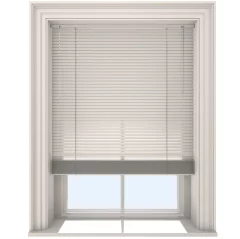
Aluminium venetian blinds use thin pressed metal slats, usually finished with a baked-on enamel coating. They are the lightest option by a considerable margin and are available in an extensive colour range, including metallics, pastels, and bold contemporary shades.
Slat Sizes
Slat width has a meaningful impact on both aesthetics and light control.
Wooden blinds typically come in 35mm or 50mm slats. The wider slats give a bolder, more substantial appearance and allow more light through when open. The 50mm size is particularly popular for larger windows where narrow slats would look fussy.
Aluminium venetians predominantly use 25mm slats, though 15mm (micro) and 35mm options exist. The narrower slats create a more streamlined, contemporary look and fit neatly into shallower window recesses.
Wider slats also mean fewer slats per blind, which can make cleaning easier — there are simply fewer surfaces to dust.
Aesthetics and Style
When Wooden Blinds Win
In living rooms, dining rooms, bedrooms, and studies,wooden blindsare hard to beat for visual warmth. The natural grain, the satisfying weight, and the wider slats create a look that feels considered and premium. They pair beautifully with traditional and transitional interiors, and they complement wooden furniture, flooring, and architectural features.
Faux wood achieves a very similar aesthetic at a lower price point. If you want the look of wood without the budget of solid timber, faux wood is an excellent compromise.
When Aluminium Venetians Win
For modern, minimalist, or industrial-style interiors,aluminium venetian blindsoffer a clean, precise look that wooden blinds cannot replicate. Their slim profile and extensive colour range — including silver, gunmetal, and matte black — suit contemporary spaces perfectly. They also work exceptionally well in home offices where a professional, uncluttered appearance is desirable.
Durability and Longevity
Real Wood
Solid wood blinds are durable in the right conditions. In a dry, temperature-stable room, a quality wooden blind will last ten years or more without issue. However, wood is a natural material that responds to its environment. Excessive humidity can cause slats to warp, bow, or swell. Prolonged direct sunlight can fade the finish and, over time, dry out the timber. Real wood blinds are best suited to rooms with stable conditions.
Faux Wood
Faux wood blinds are more resilient than real timber across the board. They do not warp in humidity, they resist fading more effectively, and they are easier to wipe clean. The trade-off is that the finish lacks the depth and character of natural grain, and lower-quality faux wood can look plasticky. Invest in a reputable brand and the difference is minimal.
Aluminium
Aluminium venetian blinds are highly durable in terms of material — metal does not warp, rot, or absorb moisture. However, the thin slats can bend or kink if handled roughly, and once kinked, they cannot be straightened without visible damage. They are also prone to rattling in draughts, which can be an annoyance near open windows.
Moisture Resistance: A Critical Factor
This is often the deciding factor for room-specific choices.
Kitchens and bathrooms have high humidity and frequent splashes. Real wood blinds are not recommended for these rooms — the moisture will eventually cause warping and finish damage. Faux wood handles bathrooms and kitchens well, and aluminium is completely impervious to water.
For bathrooms specifically, dedicatedwaterproof blindsare worth considering if moisture is a primary concern.
Living rooms and bedrooms present no moisture issues, so all three materials are suitable. Here, your choice is driven by aesthetics and budget rather than practical necessity.
Weight Considerations
Weight matters more than you might expect, particularly for larger windows.
Real wood blinds are the heaviest option. A wide wooden blind (over 180cm) can be surprisingly heavy, making it harder to raise and lower and putting more strain on the headrail and mounting brackets. For very large windows, consider splitting the span into two or more separate blinds.
Faux wood is lighter than solid timber but still heavier than aluminium. It strikes a reasonable middle ground for most standard window sizes.
Aluminium venetians are the lightest by a significant margin. They operate smoothly even at larger widths and put minimal stress on fixings. This makes them practical for wide windows and for situations where you need ano-drill mountingsolution that cannot support heavy loads.
Price Comparison
Budget is a practical reality for most homeowners, and the price differences between these options are meaningful.
Aluminium venetian blinds are the most affordable. A standard made-to-measure aluminium venetian for a typical window might cost between £15 and £40. This makes them an attractive choice if you are covering multiple windows on a tight budget.
Faux wood blinds sit in the mid-range, typically £30 to £70 per blind depending on size and quality. Given that they combine a wood-like aesthetic with moisture resistance and reasonable durability, they represent strong value for money.
Real wood blinds are the premium option, generally £50 to £120 or more per blind. The cost reflects the raw material, the craftsmanship involved in finishing natural timber, and the weight and quality of the hardware. For rooms where you want a genuine luxury feel, the investment is justified.
Across all three categories, 1ClickBlinds offers made-to-measure options at competitive prices, with free delivery across the UK.
Room-by-Room Recommendations
-
Living room: Real wood or faux wood. The warmth and wider slats complement the space beautifully.
-
Bedroom: Any option works. Considerblackout blindsif total darkness is important, as venetian blinds of any material allow some light through when closed.
-
Kitchen: Aluminium or faux wood. Both resist moisture and wipe clean easily.
-
Bathroom: Aluminium or faux wood. Avoid real wood entirely.
-
Home office: Aluminium for a modern look, or faux wood for a warmer, more traditional study feel.
-
Conservatory: Faux wood resists the temperature fluctuations common in conservatories better than real wood.
Taped vs Corded Slats
One additional choice worth mentioning is how the slats are connected. Traditional venetian blinds use thin cords threaded through holes in each slat.Taped blindsreplace these cords with decorative fabric tapes that run down the front of the blind.
Tapes add a decorative element — they come in various colours to complement or contrast with the slat colour. They also cover the cord holes, which slightly improves privacy and light blocking. Taped options are available in both wooden and aluminium venetian blinds.
Frequently Asked Questions
Are faux wood blinds as good as real wood blinds?
For most practical purposes, yes. Modern faux wood blinds are visually very close to real timber, and they outperform real wood in moisture resistance and dimensional stability. The main differences are that real wood has genuine grain character and a more substantial feel. If aesthetics and tactile quality are your top priorities, real wood wins. For everything else, faux wood is arguably the better all-round choice.
Can venetian blinds provide complete blackout?
No. Venetian blinds — whether wooden or aluminium — allow some light to pass between and around the slats, even when fully closed. They provide excellent light control and glare reduction, but they are not a blackout solution. If you need total darkness, consider roller or roman blinds in blackout fabric instead.
How do I clean wooden and aluminium venetian blinds?
For aluminium, wipe each slat with a damp cloth or use a specialist blind duster. For real wood, use a dry or very lightly damp cloth — avoid excess moisture. Faux wood can be wiped down with a damp cloth without concern. For all types, regular dusting prevents build-up and keeps the blinds looking fresh.
Do wooden blinds warp over time?
Real wood blinds can warp if exposed to excessive humidity, moisture, or temperature extremes. This is why they are not recommended for bathrooms or kitchens. In a normal living space with stable conditions, warping is unlikely. Faux wood blinds do not warp under any normal household conditions, making them the safer choice for rooms with variable environments.