Skip to content


 Vertical Blinds
 Roman Blinds
 Roller Blinds
 Venetian Blinds
 Day and Night Blinds
 Skylight Blinds
 Children
 Wooden Blinds
 Curtains
 Blinds Accessories
 White
 Yellow
 Gold
 Green
 Grey
 Pink
 Orange
 Animal
 Floral
 Geometric
 Striped
 Motorized Day and Night Blinds
 Motorized Roller Blinds
 No Drill Rollers
 Perfect Fit Wooden
 Perfect Fit Metal
 Easy Stick Honeycomb
 Easy Stick Wooden
 Easy Stick Metal
 Thermal Blinds
 Better Sleep Blinds
 Cordless Blinds
 No Drill Blinds
 Blackout Blinds
 Waterproof Blinds
 Easy Wipe Blinds
 Taped Blinds
 Conservatory
 Office
 Kitchen
 Bathroom
 Dining Room
 Kids Room
 Living Room
 Bedroom
 Bay Window
 Conservatory Window
 Tild and Turn Window
 Bi Fold Window
 Roof of Skylight
 French Door
 Sliding Door
How to Stop Condensation on Windows (Overnight and for Good)
- by 1ClickBlinds
To stop condensation on windows, lower the moisture in the air and keep your windows warmer. Open a window or use an extractor fan when you cook, shower or dry clothes, keep the heating on low and steady instead of off and on, and leave a small gap at the window at night. Wipe any water off the glass each morning. If it keeps coming back, a dehumidifier or better ventilation is the long-term fix.
Condensation is one of the most common winter problems in UK homes. You wake up to wet glass, damp sills and sometimes black mould around the frame. The good news is that most of it can be fixed with small daily habits. This guide explains why it happens, how to stop it overnight, how to deal with it room by room, and which blinds work best on windows that get wet.
Quick fixes at a glance
| Fix | What to do | Cost | Works for |
|---|---|---|---|
| Ventilate | Open a window for 10 to 15 minutes a day, or use trickle vents | Free | Every room |
| Use extractor fans | Run them while cooking or showering, and for 15 minutes after | Free | Kitchens and bathrooms |
| Wipe the glass | Dry windows and sills every morning | Free | Bedrooms especially |
| Steady heating | Keep a low, constant temperature instead of big swings | Free to low | Cold rooms |
| Lids on pans | Cover pans and close the kitchen door when cooking | Free | Kitchens |
| Dry clothes outside | Or in a ventilated room with the door shut | Free | Whole house |
| Condensation absorbers | Moisture traps on the sill | Low | Small, mild problems |
| Dehumidifier | Run it in the dampest room | Medium | Ongoing or bad condensation |
What causes condensation on windows?
Air always holds some water as invisible vapour. Warm air can hold more than cold air. When warm, moist air inside your home touches a cold surface, like a window on a winter night, it cools down and can no longer hold all that water. The extra water turns into droplets on the glass. That is condensation.
So condensation needs two things:
- Moist air from everyday life: cooking, showers, kettles, drying washing indoors and even breathing while you sleep.
- A cold surface, usually the glass or the frame, which is the coldest part of most rooms.
Reduce either one and you reduce condensation. Reduce both and it usually stops.
Is condensation on windows bad?
A little mist that clears quickly is normal. But water left on the glass every day can cause problems:
- Black mould on window seals, frames, sills and nearby walls and curtains.
- Damage to frames: wooden frames can rot and paint can peel.
- Damp smells and mould spores, which are not good for people with asthma or allergies.
- Damp walls and furniture near the window.
If your windows are wet most mornings, it is a sign the air in your home is too humid and needs sorting.
How to stop condensation on windows overnight
Bedrooms get the worst condensation because the door is shut, the heating is often off and you breathe out moisture all night. Try these before bed:
- Open a trickle vent or the window slightly. A small gap lets moist air out without making the room cold.
- Leave the bedroom door open if you can, so air can move around the house.
- Keep the heating low, not off. A room that stays slightly warm keeps the glass warmer too.
- Don't dry clothes in the bedroom. Wet washing releases a lot of moisture overnight.
- Pull furniture away from the window and walls so air can circulate.
- Leave a small gap at the bottom of your blind or don't close curtains tight to the glass, so the window is not sealed off from the warm room.
- Wipe the glass first thing with a cloth or window vacuum, then open the window for a few minutes.
12 ways to stop condensation for good
Cut down the moisture
- Cover pans when cooking and keep the kitchen door closed.
- Use the extractor fan in the kitchen and bathroom every time, and leave it running for a while after.
- Shut the bathroom door during and after showers, and open the window afterwards.
- Dry clothes outside when you can. Indoors, use one room with the window open and the door shut.
- Vent your tumble dryer outside, or empty a condenser dryer's water tank after every load.
Let the moisture out
- Open windows for 10 to 15 minutes a day, even in winter. It swaps damp air for drier air without losing much heat.
- Keep trickle vents open. These small vents at the top of many uPVC windows are there to stop condensation.
- Use a dehumidifier in the dampest room, especially if you dry clothes indoors. Aim to keep indoor humidity roughly between 40% and 60%. A cheap hygrometer will show you the level.
Keep surfaces warmer
- Heat your home steadily. A low, constant temperature is better than letting rooms get very cold and then heating them quickly.
- Don't block radiators with furniture or long curtains.
- Improve insulation in the loft and walls if you can. Warmer walls and windows mean less condensation.
- Fix or upgrade old windows. Single glazing and failed double glazing are much colder and attract more condensation.
Condensation room by room
| Room | Main cause | Best fix |
|---|---|---|
| Bedroom | Breathing overnight with the door and window shut | Trickle vent open, heating low, wipe glass each morning |
| Kitchen | Steam from cooking and kettles | Extractor fan, lids on pans, door closed |
| Bathroom | Showers and baths | Extractor fan, window open after, door shut |
| Living room | Drying clothes, gas fires, plants | Dry washing elsewhere, open window daily |
| Conservatory | Lots of cold glass | Ventilate on dry days, keep a little heat on |
Condensation on double glazed windows
Where the water appears tells you what the problem is.
| Where the condensation is | What it means | What to do |
|---|---|---|
| On the inside of the glass | The air in your home is too humid | Ventilate, reduce moisture, use a dehumidifier |
| Between the two panes | The seal has failed and the unit has let in moist air | Replace the sealed glass unit; you usually don't need a new frame |
| On the outside of the glass | Your glazing is keeping heat in well, so the outer pane stays cold | Nothing; it is normal and clears as the day warms up |
Do blinds cause condensation?
Blinds don't create moisture, but they can make condensation worse if they trap the window off from the warm room. When a blind or curtain is closed tight against the glass, the air between the blind and the window gets colder, so moisture forms more easily on the glass behind it.
This is also true of thermal blinds. They keep the room warmer, but the glass behind them can get colder, so they don't stop condensation on their own. Read more in do thermal blinds work?
To avoid problems:
- Open blinds fully in the morning so the glass can dry and air can reach it.
- Choose blind materials that won't be damaged if they get damp.
- Keep trickle vents clear when the blind is closed.
- Wipe the sill and the bottom of the blind if they get wet.
Best blinds for windows that get condensation
| Blind type | Why it suits damp windows | Best rooms |
|---|---|---|
| PVC vertical blinds | PVC slats don't soak up water and wipe clean | Bathrooms, kitchens, patio doors |
| Faux wood venetian blinds | Won't warp or rot like real wood; slats tilt to let air reach the glass | Bathrooms, kitchens |
| Aluminium venetian blinds | Metal slats wipe dry and tilt open for airflow | Kitchens, bathrooms, offices |
| Waterproof roller blinds | Coated fabric that resists moisture and mould | Bathrooms, kitchens |
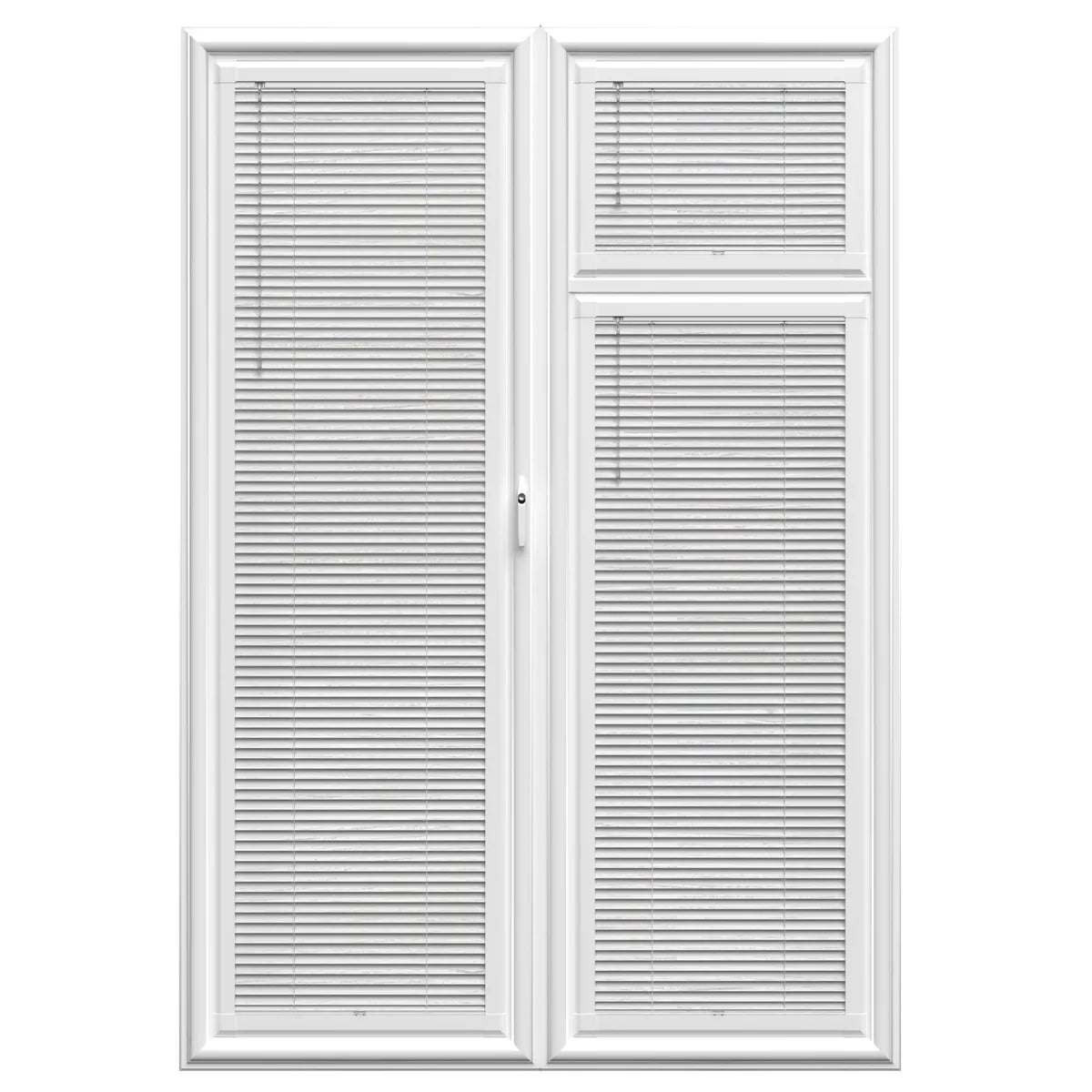
| Perfect fit blinds | Fit inside the window frame and tilt with it, so you can still open the window and use trickle vents | uPVC windows in any room |
Avoid in damp rooms: real wood blinds and lined fabric blinds, as they can warp, stain or grow mould if they stay damp.
See our waterproof blinds for bathrooms and kitchens, slim venetian blinds with tilting slats, or perfect fit blinds that clip into uPVC windows with no drilling.
How to remove condensation and mould
- Wipe or vacuum the water off the glass and sill every morning, then wring the cloth out in the sink, not on a radiator.
- Clean small mould spots on seals and frames with a mould spray or a mild bleach solution, following the label, with the window open.
- Dry the area fully and open the window for a few minutes.
- Wash fabric that has mould spots, such as curtains, on a hot cycle if the label allows.
- Fix the cause. Cleaning only helps if you also reduce the moisture, or the mould will come back.
If mould keeps spreading across walls or ceilings, it may be damp from a leak or rising damp rather than condensation. Ask a surveyor or damp specialist to check.
Frequently asked questions
How do I stop condensation on my windows?
Reduce moisture and keep the glass warmer: ventilate every day, use extractor fans, dry clothes outside or in a ventilated room, keep the heating low and steady, and wipe the glass each morning.
How do I stop condensation on windows overnight?
Open a trickle vent or the window slightly, keep the heating on low, don't dry clothes in the bedroom, leave a small gap at your blind and wipe the glass first thing.
Why are my windows wet every morning?
Overnight you breathe out moisture into a closed room while the glass gets colder outside, so water forms on the window. More ventilation at night usually fixes it.
Is condensation on windows normal?
A small amount in winter is normal. Heavy condensation every day means the air is too humid and can lead to mould.
Why is there condensation between my double glazing?
The seal on the glass unit has failed and moist air has got in. The sealed unit needs replacing; the frame can usually stay.
Does a dehumidifier stop window condensation?
Yes, it can make a big difference, especially if you dry clothes indoors. Use it alongside daily ventilation.
Do blinds make condensation worse?
They can, if closed tight to the glass, because they trap colder air at the window. Open them in the morning and choose moisture-resistant blinds such as PVC or faux wood.
What are the best blinds for condensation?
PVC vertical blinds, faux wood or aluminium venetian blinds and waterproof roller blinds, because they don't absorb water and wipe clean.
Should I keep trickle vents open in winter?
Yes. Trickle vents let a small amount of fresh air in all the time, which helps stop condensation without making the room cold.