Skip to content


 Vertical Blinds
 Roman Blinds
 Roller Blinds
 Venetian Blinds
 Day and Night Blinds
 Skylight Blinds
 Children
 Wooden Blinds
 Curtains
 Blinds Accessories
 White
White Yellow
 Gold
Gold Green
Green Grey
Grey Pink
Pink Orange
 Animal
 Floral
 Geometric
 Striped
 Motorized Day and Night Blinds
 Motorized Roller Blinds
 No Drill Rollers
 Perfect Fit Wooden
 Perfect Fit Metal
 Thermal Blinds
 Better Sleep Blinds
 Cordless Blinds
 No Drill Blinds
 Blackout Blinds
 Waterproof Blinds
 Easy Wipe Blinds
 Taped Blinds
 Conservatory
 Office
 Kitchen
 Bathroom
 Dining Room
 Kids Room
 Living Room
 Bedroom
 Bay Window
 Conservatory Window
 Tild and Turn Window
 Bi Fold Window
 Roof of Skylight
 French Door
 Sliding Door
No Drill Blackout Blinds with Frame: Top Picks and Fitting Guide
- by Mariam Labadze
 If you are renting, living in a listed building, or simply unwilling to drill holes into your window frames, finding effective blackout blinds can feel like a compromise. Standard blackout roller blinds need brackets screwed into place, and even then, light leakage around the edges is a common frustration. The solution? No drill blackout blinds with a frame — a system that clips, clamps, or adheres directly to your window, with a frame structure that hugs the glass to block light from every angle.
In this guide, we review the best framed no-drill blackout options available in the UK, explain how each type works, and walk you through fitting them yourself.
[toc]
Quick Answer: No drill blackout blinds with a frame use a surround structure — typically a clip-on cassette, magnetic strip, or tension-fit frame — that sits flush against the window to eliminate light gaps. The most popular options include perfect fit blinds (which clip into uPVC window beads), magnetic frames, and honeycomb blinds with integrated frames. They require no screws or drilling, making them ideal for renters, and they outperform standard blackout blinds by sealing edges where light would otherwise leak through.
Why a Frame Makes All the Difference for Blackout
A standard blackout blind — whether roller, venetian, or roman — hangs in front of the window. Even with blackout-grade fabric, light creeps in around the sides, top, and bottom. This is the so-called "halo effect," and it is the single biggest complaint from people who buy blackout blinds expecting total darkness.
A framed blind sits within or directly against the window recess, with the frame creating a seal around the fabric. The result is dramatically better light blocking — often close to 100% darkness, depending on the system. For bedrooms, nurseries, and night-shift workers, this difference is transformative.
Top No Drill Blackout Blind Options with Frames
1. Perfect Fit Blackout Blinds
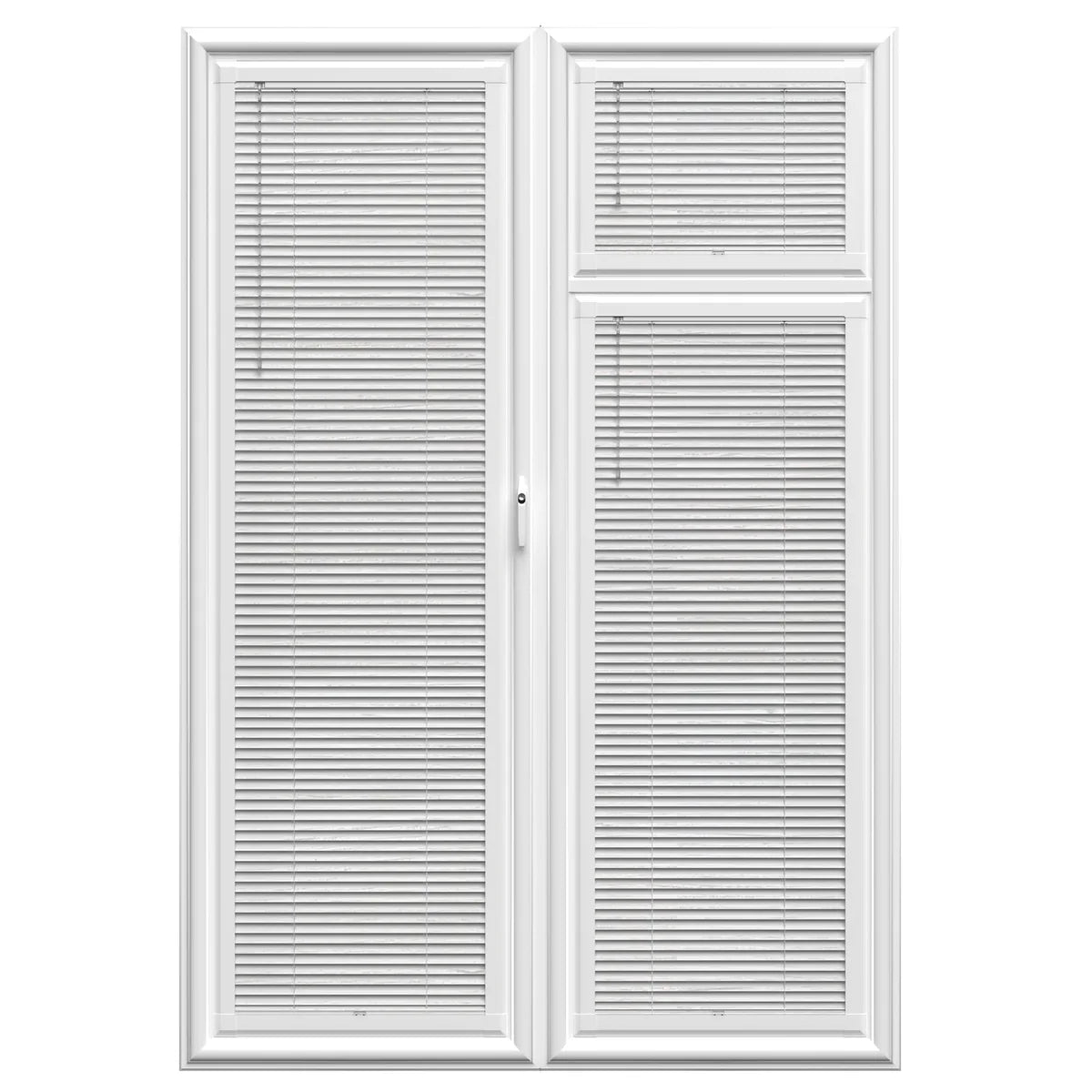
Perfect fit blinds are arguably the gold standard for no-drill window coverings in the UK. They use a slim frame that clips directly into the rubber gasket (bead) of uPVC windows and doors — no screws, no adhesive, no damage whatsoever.
How they work: The blind sits inside a lightweight aluminium frame. Spring-loaded clips grip the window bead, holding the blind securely in place. The blind moves independently within the frame, so you can open and close the window without affecting the blind position.
Blackout performance: Excellent. Because the frame sits flush against the glass unit, there is minimal light leakage around the edges. Combined with a true blackout fabric, perfect fit blinds deliver near-total darkness. They are the top choice for bedrooms and nurseries.
Limitations: Perfect fit blinds only work with uPVC windows that have a removable bead. They are not compatible with timber frames, aluminium frames, or older-style uPVC windows without a standard bead profile. Check your window type before ordering.
1ClickBlinds offers a range of perfect fit options includingperfect fit shuttersandperfect fit wooden blindsfor those who prefer a more traditional aesthetic.
2. No Drill Honeycomb Blackout Blinds
Honeycomb (or cellular) blinds feature a distinctive pleated structure with air pockets that provide excellent insulation as well as light blocking. Theno drill honeycomb blackout blindis a standout option — it uses a tension-fit or adhesive frame system that requires zero drilling.
How they work: The blind is housed in a compact headrail with side channels that guide the fabric up and down. Mounting brackets clip or stick to the window frame. The side channels act as a frame, keeping the fabric close to the glass and minimising light gaps.
Blackout performance: Very good. The side channels significantly reduce edge light leakage compared to a standard roller blind. The honeycomb structure itself adds an additional layer of opacity. Combined with blackout-grade fabric, these blinds deliver impressive darkness.
Bonus benefit: The cellular air pockets provide genuine thermal insulation. In winter, they help retain heat; in summer, they reduce solar gain. This makes them a practical choice for energy-conscious households.
3. Magnetic Frame Blackout Blinds
Magnetic blackout blinds use a frame with magnetic strips that attach to a metal surface — either a steel window frame or a thin magnetic strip that you adhere to your existing frame.
How they work: A magnetic strip is applied around the window recess (this is a one-time setup using adhesive tape). The blind has corresponding magnets around its edges. To install, you simply press the blind against the frame — the magnets snap it into place. To remove, you peel it away.
Blackout performance: Good to very good. The magnetic seal creates a reasonably tight fit around all four edges. However, the seal is not as precise as a perfect fit system, so there may be minor light leakage at the corners. For most people, the darkness level is more than adequate.
Best for: Renters who want a truly temporary solution. The adhesive magnetic strip can be removed without damage, and the blind itself stores flat when not in use — handy for travel or moving between properties.
4. Tension-Fit Blackout Blinds
Tension-fit blinds use a spring-loaded rod or rail that wedges inside the window recess, similar to a tension shower curtain rod. The blind fabric hangs from this rail.
How they work: You extend the tension rod to fit snugly inside the window recess, then attach the blind fabric. Some models include side tracks or velcro strips to hold the fabric close to the frame edges.
Blackout performance: Moderate to good. Without side channels or a full frame, basic tension-fit blinds can suffer from edge light leakage. Models with side tracks or velcro perform considerably better. These are best suited to windows where near-total blackout is helpful but not critical.
How to Choose the Right Option
Your choice depends on three main factors:
Window type: If you have standard uPVC windows, perfect fit blinds are the clear winner. For non-uPVC windows, honeycomb or magnetic options are your best bet.
Level of blackout needed: For a nursery or a bedroom where you need near-total darkness, prioritise perfect fit or honeycomb blinds with side channels. For a living room where you simply want good light control, any of these options will serve you well.
Permanence: If you are renting and need something you can remove completely when you leave, magnetic blinds are the most portable. Perfect fit blinds also remove cleanly from uPVC windows without leaving any marks.
Step-by-Step Fitting Guide
Fitting Perfect Fit Blackout Blinds
-
Measure your glass unit: Measure the width and height of the visible glass, not the window frame. Note whether the bead is on the inside (room side) or outside (glass side) of the frame.
-
Order your blind: Provide the glass measurements. The manufacturer will calculate the correct frame size to fit your bead profile.
-
Remove the window bead: Starting from one corner, gently lever out the rubber or plastic bead using a flat tool. It pops out without damage.
-
Clip the frame brackets: Attach the supplied clips to the top and bottom of the frame. These grip the bead channel.
-
Click the frame into place: Push the frame clips into the bead channel where the bead was removed. The frame should sit firmly in the window.
-
Replace the bead: Press the bead back into position around the frame. The blind is now installed and fully operational.
Fitting No Drill Honeycomb Blackout Blinds
-
Measure your window recess: Measure the width and drop inside the recess. Deduct 2-3mm from the width for clearance.
-
Attach the mounting brackets: Depending on the model, these either clip onto the window frame edge or adhere with double-sided tape. Position them level at the top of the recess.
-
Click the headrail into the brackets: The headrail snaps into the brackets with a satisfying click.
-
Test the operation: Pull the blind down and push it back up to ensure smooth movement within the side channels.
The full range ofno drill blindsat 1ClickBlinds includes detailed fitting guides with each product, and most customers complete installation in under fifteen minutes per window.
Maintaining Your No Drill Blackout Blinds
Framed blinds require minimal maintenance. Dust the fabric regularly with a soft brush or the upholstery attachment of your vacuum cleaner. For spot cleaning, use a damp cloth with mild soapy water — avoid soaking the fabric, particularly with honeycomb blinds where water can become trapped inside the cells.
Check the frame clips or adhesive strips every few months to ensure they remain secure. Perfect fit clips are very durable, but if a clip loosens over time, replacements are inexpensive and easy to fit. Forblackout blindsspecifically, periodically inspect the edges of the frame to make sure the seal remains tight — any gaps will compromise blackout performance.
Frequently Asked Questions
Do no drill blackout blinds with a frame work on wooden window frames?
Perfect fit blinds are designed specifically for uPVC windows and will not work on timber frames. However, magnetic and tension-fit options can be used on wooden frames. Adhesive-mounted honeycomb blinds also work well on painted or varnished timber, provided the surface is clean and smooth.
Can I use no drill blackout blinds on French doors?
Yes. Perfect fit blinds are particularly popular forFrench doorsbecause they clip directly to the door and move with it when opened and closed. This avoids the swinging and banging that occurs with standard blinds on doors.
How effective are no drill blackout blinds compared to drilled ones?
Framed no drill blackout blinds actually outperform many drilled alternatives for light blocking. A standard drilled roller blind hangs away from the glass with open edges, whereas a framed system sits flush against the window. The frame eliminates most edge light leakage, delivering superior blackout performance without any drilling at all.
Will adhesive-mounted brackets damage my window frames?
Quality adhesive brackets are designed to be removable. When you peel them off, they typically leave no residue on uPVC or glossed surfaces. On painted timber or bare wood, there is a small risk of paint lifting, so test a small area first. Perfect fit clip systems leave no marks whatsoever on uPVC windows.