Skip to content


 Vertical Blinds
 Roman Blinds
 Roller Blinds
 Venetian Blinds
 Day and Night Blinds
 Skylight Blinds
 Children
 Wooden Blinds
 Curtains
 Blinds Accessories
 White
White Yellow
 Gold
Gold Green
Green Grey
Grey Pink
Pink Orange
 Animal
 Floral
 Geometric
 Striped
 Motorized Day and Night Blinds
 Motorized Roller Blinds
 No Drill Rollers
 Perfect Fit Wooden
 Perfect Fit Metal
 Thermal Blinds
 Better Sleep Blinds
 Cordless Blinds
 No Drill Blinds
 Blackout Blinds
 Waterproof Blinds
 Easy Wipe Blinds
 Taped Blinds
 Conservatory
 Office
 Kitchen
 Bathroom
 Dining Room
 Kids Room
 Living Room
 Bedroom
 Bay Window
 Conservatory Window
 Tild and Turn Window
 Bi Fold Window
 Roof of Skylight
 French Door
 Sliding Door
Pleated Blinds for Conservatories: Best Options for Heat and Glare
- by Mariam Labadze
 Conservatories are brilliant additions to UK homes — until summer arrives and they turn into greenhouses, or winter sets in and they become unusable ice boxes. The right window covering can transform a conservatory from a seasonal space into a room you use year-round, and pleated blinds are widely regarded as the single best option for the job.
Lightweight, versatile, and available in thermal and reflective fabrics, pleated blinds handle the unique challenges of conservatory glazing better than almost any alternative. Here is everything you need to know to choose the right ones for your space.
Quick Answer: Pleated blinds are the top choice for conservatories because they are lightweight enough for roof installations, available in thermal-reflective fabrics that reduce heat gain by up to 46%, and compatible with the angled and shaped windows common in conservatory designs. They can be fitted to both roof panels and side windows, often using perfect fit systems that require no drilling. For best results, choose a reflective-backed fabric for south-facing roof panels and a lighter thermal option for side windows.
Why Pleated Blinds Are Ideal for Conservatories
Conservatories present a unique set of challenges that most standard blinds cannot handle effectively. Here is why pleated blinds succeed where others struggle.
Lightweight Construction
Conservatory roofs are not designed to support heavy fixtures.Roller blindsandvenetian blindshave metal headrails and significant fabric weight that make them impractical for overhead installation. Pleated blinds, by contrast, use a single layer of concertina-folded fabric with minimal hardware. They weigh very little, making them safe and practical for roof-mounted applications.
Flexible Shapes and Angles
Conservatory windows and roof panels come in a variety of shapes — triangles, trapezoids, and slopes that standard rectangular blinds simply cannot cover. Pleated blinds can be made to fit virtually any shape, including angled and triangular panels. Specialist conservatory pleated blinds use tensioned side wires or tracks that guide the fabric smoothly along non-standard angles.
Thermal Performance
This is where pleated blinds truly earn their place in a conservatory. Standard single-glazed or even double-glazed conservatory roofs allow enormous amounts of solar heat to enter in summer and radiate warmth out in winter. Pleated blinds with thermal or reflective backing create an insulating barrier that addresses both problems.
Understanding Fabric Options
The fabric you choose has a far greater impact on performance than the blind mechanism itself. For conservatories, three fabric types dominate.
Reflective-Backed Fabrics
These fabrics have a metallic or pearlised coating on the window-facing side that reflects solar radiation before it enters the room. They are the most effective option for reducing heat gain and are strongly recommended for south-facing and west-facing roof panels where direct sun exposure is greatest.
A quality reflective pleated blind can reduce solar heat gain by 40-46%, which makes a dramatic difference to the temperature inside your conservatory on a sunny day. The room-facing side of the fabric is available in a wide range of colours and textures, so you are not sacrificing aesthetics for performance.
Thermal Fabrics
Thermal pleated fabrics use a honeycomb or cellular construction that traps air in pockets between two layers of fabric. This trapped air acts as insulation — keeping heat out in summer and retaining warmth in winter. Thermal fabrics are particularly valuable if you use your conservatory throughout the year and want to reduce heating costs during colder months.
The insulation properties also help reduce condensation on cold mornings, which is a common annoyance in conservatories with single-glazed roofs.
Sheer and Light-Filtering Fabrics
Not every conservatory panel needs maximum heat rejection. For north-facing side windows where direct sun is rarely an issue, a sheer or light-filtering pleated fabric can soften the light and reduce glare without making the space feel dark. These fabrics maintain your view of the garden while taking the edge off harsh sunlight.
Many homeowners use a combination — reflective blinds on the roof and south-facing panels, with lighter fabrics on the north and east sides.
Roof Blinds vs Side Window Blinds
Roof Panel Blinds
The roof is where most of the heat enters a conservatory, so it should be your first priority. Pleated roof blinds are specifically designed for overhead use. They run on tensioned wires or tracks that keep the fabric taut against the roof slope, preventing sagging.
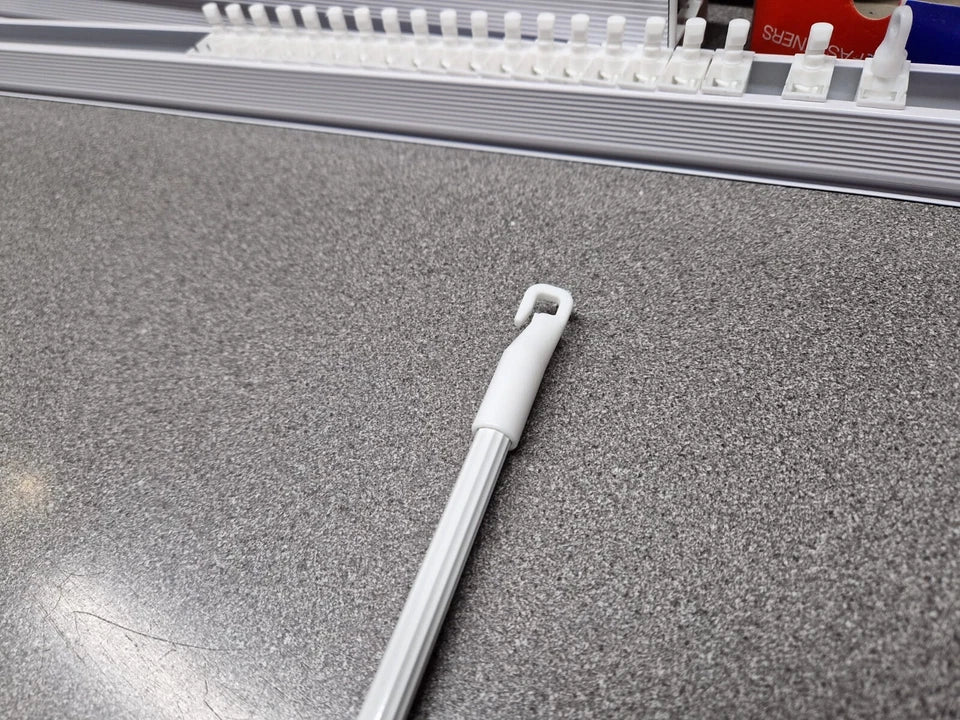
Most conservatory roof pleated blinds are operated using a pole or wand — you hook the blind's pull bar and slide it up or down the roof panel. Some higher-end options are motorised, which is worth considering for roof panels that are difficult to reach with a pole.
When measuring for roof blinds, you will need the width and length of each individual roof panel, measured between the glazing bars. Each panel requires its own blind.
Side Window Blinds
Side windows are simpler to deal with. Standard pleated blinds fit these windows using conventional brackets or, on uPVC frames, a perfect fit clip system. Perfect fit is particularly well-suited to conservatories because the frames often have complex profiles that standard brackets struggle with.
For conservatory side windows, you might also considerday and night blinds, which give you the flexibility to switch between light filtering and privacy as needed throughout the day.
Perfect Fit for Conservatory Frames
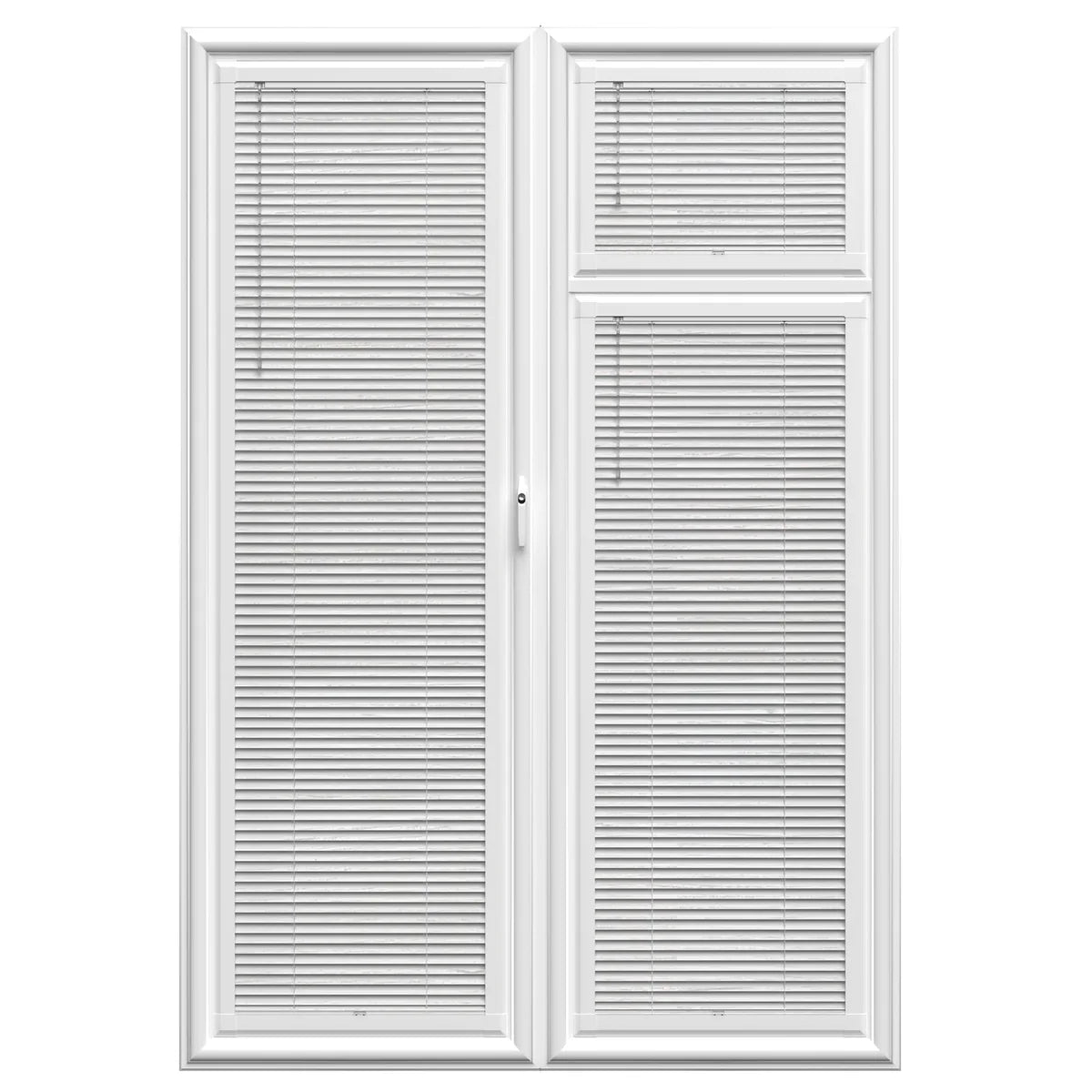
If your conservatory has uPVC frames — as most modern conservatories in the UK do —no-drill perfect fit blindsare an outstanding choice for the side windows. The clip-in frame system means no drilling into your conservatory framework, no visible brackets, and a clean, integrated look.
Perfect fit pleated blinds sit within the window frame itself, so they do not interfere with the opening mechanism. You can tilt or open your conservatory windows freely without the blind swinging or catching. This is particularly practical for conservatories where ventilation is essential during warm weather.
Reducing Heat Gain: Practical Tips
Fitting pleated blinds is the most impactful step you can take, but a few additional measures can further improve comfort in your conservatory.
-
Prioritise the roof: Up to 85% of the heat entering a conservatory comes through the roof. Even if your budget only stretches to covering some panels, start with the roof before the side windows.
-
Choose lighter colours: Lighter-coloured fabrics reflect more heat than darker ones. A white or cream reflective blind outperforms a dark grey one, all else being equal.
-
Close blinds before the heat builds: It is far more effective to close reflective blinds in the morning before the conservatory heats up than to try to cool it down after the fact. Reflective fabric works by preventing solar radiation from entering — once the heat is already inside, the blind can only limit further gains.
-
Ventilate smartly: Combine your blinds with good ventilation. Open roof vents and side windows in the early morning and evening when outside air is cooler. Close them during the hottest part of the day and let the blinds do the work.
Cost Considerations
Pleated blinds for conservatories vary widely in price depending on size, fabric type, and whether you choose standard or perfect fit installation. As a rough guide for UK homeowners:
Side window pleated blinds typically cost between £20 and £50 per window, depending on size and fabric choice. Roof panel pleated blinds are generally more expensive — £40 to £100 per panel — because they require tensioned tracks and more robust hardware to perform reliably overhead.
A full set of pleated blinds for a medium-sized conservatory (four roof panels and four to six side windows) might cost between £300 and £600 in total. That is a fraction of the cost of replacing your conservatory roof with a solid or insulated alternative, yet it addresses the same fundamental problems of heat and glare.
At 1ClickBlinds, the focus on made-to-measure blinds means you only pay for exactly what you need — no wasted material, no off-the-shelf compromises.
Maintenance and Care
Pleated blinds are low-maintenance by nature. The concertina folds can accumulate dust over time, so a regular light dusting with a feather duster or the soft brush attachment of your vacuum is advisable. For conservatory roof blinds, a long-handled duster makes this straightforward.
Avoid getting pleated fabric wet, as the folds can lose their crispness if saturated. For spot cleaning, a barely damp cloth with mild detergent is sufficient. If your conservatory gets very humid, ensure good ventilation to prevent moisture affecting the fabric over time.
Frequently Asked Questions
Can pleated blinds be fitted to a polycarbonate conservatory roof?
Yes. Pleated blinds can be fitted below polycarbonate roofing using tensioned wire systems that mount to the glazing bars. The lightweight nature of pleated blinds makes them suitable for this application. However, be aware that polycarbonate roofs transmit more heat than glass, so a reflective-backed fabric is strongly recommended.
Are pleated blinds better than roller blinds for conservatories?
For conservatory roofs, pleated blinds are significantly better. They are lighter, can fit angled and shaped panels, and fold compactly when open. Roller blinds are heavier, can only fit rectangular openings, and require a larger headrail. For side windows, both work well, but pleated blinds offer a more consistent look when matched with roof blinds.
Do pleated blinds really help in winter as well as summer?
Yes. Thermal and cellular pleated fabrics create an insulating air barrier between the cold glass and the room. This reduces heat loss through the glazing, helping to keep the conservatory warmer during colder months. The effect is most noticeable with single-glazed conservatories, but it benefits double-glazed units too.
Can I motorise pleated blinds on my conservatory roof?
Yes, motorised options are available for conservatory roof pleated blinds. These use small battery-powered or mains-powered motors that allow you to raise and lower the blinds with a remote control. Given that roof blinds are often difficult to reach with a manual pole, motorisation is a worthwhile investment for larger conservatories. Browsemotorised blind optionsfor more details on smart controls.