Skip to content


 Vertical Blinds
 Roman Blinds
 Roller Blinds
 Venetian Blinds
 Day and Night Blinds
 Skylight Blinds
 Children
 Wooden Blinds
 Curtains
 Blinds Accessories
 White
White Yellow
 Gold
Gold Green
Green Grey
Grey Pink
Pink Orange
 Animal
 Floral
 Geometric
 Striped
 Motorized Day and Night Blinds
 Motorized Roller Blinds
 No Drill Rollers
 Perfect Fit Wooden
 Perfect Fit Metal
 Thermal Blinds
 Better Sleep Blinds
 Cordless Blinds
 No Drill Blinds
 Blackout Blinds
 Waterproof Blinds
 Easy Wipe Blinds
 Taped Blinds
 Conservatory
 Office
 Kitchen
 Bathroom
 Dining Room
 Kids Room
 Living Room
 Bedroom
 Bay Window
 Conservatory Window
 Tild and Turn Window
 Bi Fold Window
 Roof of Skylight
 French Door
 Sliding Door
Perfect Fit Blinds vs Standard Blinds: Is the Price Worth It?
- by Mariam Labadze
 Standard blinds are cheaper upfront. That much is undeniable. But perfect fit blinds are not simply a premium version of the same thing - they work differently, fit differently and perform differently in ways that matter to a lot of homeowners. Whether that difference justifies the price gap depends on your windows, your priorities and how long you plan to live with the result.
This comparison sets out the practical differences between the two, without the marketing language, so you can make an informed decision rather than an expensive one.
[toc]
How Each Type of Blind Actually Works
A standard blind - whether a roller, Venetian or pleated - is fitted with brackets screwed into the window frame or the wall above the recess. The blind hangs from those brackets and sits inside or outside the window reveal. This is the system most people are familiar with, and it works perfectly well in a huge range of situations.
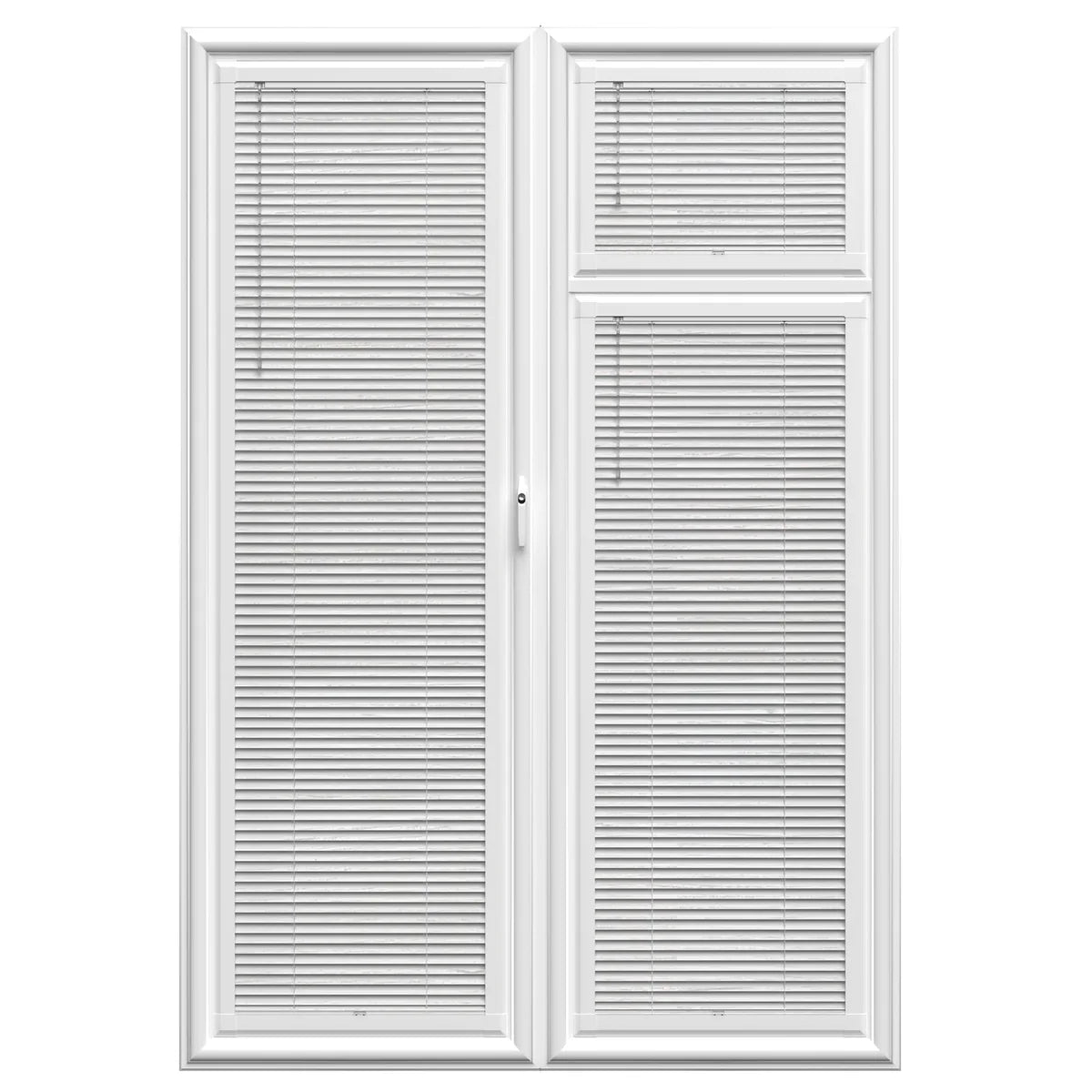
A perfect fit blind takes a different approach entirely. Instead of brackets, it uses a slim frame that clips directly into the inner bead of a uPVC or aluminium window frame - the same rubber channel that holds the glass in place. No screws, no drilling, no adhesive. The blind becomes part of the window rather than an attachment on top of it. Because the frame is mechanically connected to the window, the blind moves with the sash when you open or tilt it, and there are no side gaps at any position.
Where Standard Blinds Have the Advantage
Cost is the most obvious factor. Standard blinds - particularly ready-made roller blinds - can be bought for a fraction of the price of a made-to-measure perfect fit blind. If you are covering a large number of windows on a tight budget, or if you are furnishing a rental property quickly, standard blinds offer acceptable coverage without significant outlay.
Versatility is another. Standard blinds work on timber frames, older single-glazed windows, skylights with standard reveals and almost any window type you encounter. Perfect fit blinds require a uPVC or aluminium rebate to clip into - without one, they simply cannot be fitted.
There is also a wider range of fabric and style choices available in the standard blind market, particularly for more decorative treatments like Roman blinds and shaped designs. If the aesthetic of the blind itself is the priority, standard fittings give you more to work with.
Where Perfect Fit Blinds Justify the Extra Cost
No Gaps, No Light Bleed
The most immediate visible difference between the two is the fit. Standard blinds, even when accurately measured, leave a small gap between the edge of the fabric and the window frame. Light comes through those gaps - particularly noticeable in bedrooms where you want genuine darkness. Perfect fit blinds eliminate this problem completely. The frame sits flush with the window frame on all four sides, so the only light that enters is what passes through the fabric itself.
For anyone buying a blackout blind, this matters enormously. A standard blackout roller blind with light-bleed gaps is only partially effective. A perfect fit blackout blind in a correctly clipped frame achieves a genuinely dark room.
Operates With the Window
This is the feature that standard blinds simply cannot replicate. Because a perfect fit blind is clipped into the window frame, it moves with the window when you open it. Tilt the sash for ventilation, and the blind tilts with it - you get airflow without losing privacy or having to raise the blind entirely. With a standard blind, opening the window means either adjusting the blind or leaving it down while the window hangs open behind it.
For tilt-and-turn windows in particular, this is less a luxury and more a practical necessity. A standard blind fitted over a tilt-and-turn that opens inwards will be knocked out of position every time the window is used.
Cleaner Appearance
Perfect fit blinds have no visible headrail, no exposed brackets and no hardware on the window frame. From both inside and outside the property, the result is considerably cleaner and more built-in looking than any bracketed solution. For those who find the mechanics of a standard blind visually intrusive - particularly in a contemporary interior - this difference is immediately apparent.
Which Windows Work With Perfect Fit Blinds?
Perfect fit blinds are compatible with uPVC and aluminium framed windows - the type found in the vast majority of homes built or refurbished in the UK from the 1980s onwards. This includes casement windows, tilt-and-turn windows, most double-glazed units and conservatory windows. They are also available for no-drill conservatory applications where drilling into the frame is impractical.
They do not work with timber frames, windows without a rubber bead, or any frame where the rebate profile is non-standard. If you are unsure whether your windows are compatible, the test is simple: look at the edge of the glass. If there is a rubber seal running around the perimeter between the glass and the frame, the window almost certainly accepts perfect fit fittings.
The Price Difference in Practice
A basic ready-made standard roller blind for a typical window might cost anywhere from £10 to £40. A made-to-measure perfect fit roller blind for the same window will generally start from around £50 to £80 and upwards depending on fabric and size. For a single window, that is a meaningful difference. Across an entire house, it becomes a significant one.
The question is not whether perfect fit blinds cost more - they do - but whether the improved fit, the absence of gaps, the cleaner appearance and the compatibility with opening windows represents value for the additional spend. For bedrooms, conservatories, and any room where the window is used regularly, the honest answer is usually yes. For a garage, utility room or a window that is rarely opened, standard blinds make more practical sense.
The Verdict
Standard blinds are not inferior products - they are appropriate for a wide range of situations and budgets. But perfect fit blinds solve problems that standard blinds cannot: they eliminate gaps, work with the window rather than in spite of it, and produce a finish that looks properly integrated rather than added on.
If your windows are uPVC or aluminium and you care about how a room looks and performs - particularly in bedrooms, living rooms and conservatories - perfect fit blinds are worth the premium. For everything else, a good-quality standard blind fitted accurately remains a sound choice.