Skip to content


 Vertical Blinds
 Roman Blinds
 Roller Blinds
 Venetian Blinds
 Day and Night Blinds
 Skylight Blinds
 Children
 Wooden Blinds
 Curtains
 Blinds Accessories
 White
White Yellow
 Gold
Gold Green
Green Grey
Grey Pink
Pink Orange
 Animal
 Floral
 Geometric
 Striped
 Motorized Day and Night Blinds
 Motorized Roller Blinds
 No Drill Rollers
 Perfect Fit Wooden
 Perfect Fit Metal
 Thermal Blinds
 Better Sleep Blinds
 Cordless Blinds
 No Drill Blinds
 Blackout Blinds
 Waterproof Blinds
 Easy Wipe Blinds
 Taped Blinds
 Conservatory
 Office
 Kitchen
 Bathroom
 Dining Room
 Kids Room
 Living Room
 Bedroom
 Bay Window
 Conservatory Window
 Tild and Turn Window
 Bi Fold Window
 Roof of Skylight
 French Door
 Sliding Door
Roman Blinds vs Curtains: Which Looks Better in a UK Home?
- by Mariam Labadze
 The choice between Roman blinds and curtains is one of the most common window dressing dilemmas in UK homes. Both use fabric, both bring softness and warmth to a room, and both are infinitely variable in terms of colour, pattern, and texture. But they behave differently, suit different windows, and create very different visual atmospheres. This guide examines the comparison honestly — covering aesthetics, practicality, cost, and the specific contexts where each option excels.
The Fundamental Aesthetic Difference
Roman blinds and curtains share their fabric-based character but diverge in one fundamental way: curtains hang from a rail outside the window recess and move horizontally, while Roman blinds roll upward inside or immediately above the window opening and move vertically. This distinction has significant consequences for how the window looks in a room.
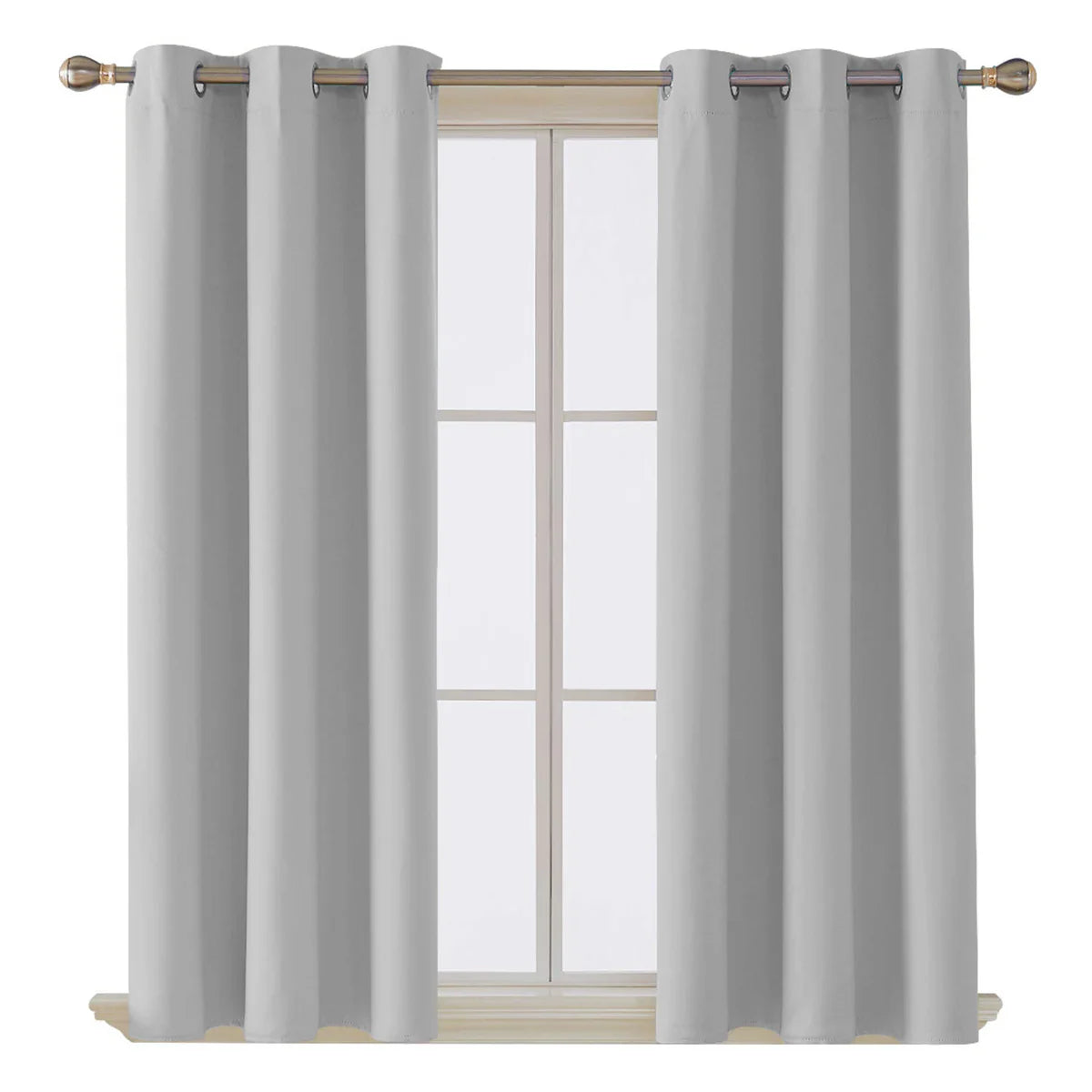
Curtains, when drawn back, frame the window and the view. They add softness to the edges of the room and create a sense of volume and luxury. In a bedroom, drawing the curtains in the evening transforms the feel of the room — the ceiling feels lower, the space feels more enclosed and private in a reassuring way. In a living room, full-length curtains from ceiling to floor dramatically increase the perceived height of the room.
Roman blinds, by contrast, sit within or immediately above the window itself. When raised, they disappear almost entirely into a compact stack at the top of the frame. The window and the view take centre stage, unframed. In a room where the view outside is the focus — a garden, a landscape — a Roman blind is the less intrusive, more view-preserving option.
Practicality: Day-to-Day Use
Ease of Operation
Roman blinds win on daily ease of use. A single pull cord raises or lowers the blind in a smooth, consistent motion. In rooms where you adjust the window covering multiple times a day — a home office, a kitchen — a Roman blind is considerably less effort than pulling two curtain panels. Curtains are particularly prone to billowing out from radiators underneath them or catching on furniture as they are drawn.
Light Blocking
Lined or blackout-lined curtains that are full length and generously wide — reaching floor to ceiling and overlapping the window surround on each side — are generally better at blocking total light than a Roman blind, because they cover a larger area with multiple overlapping layers of fabric. However, a blackout-lined Roman blind that is face-fixed with good overlap performs remarkably well, and the difference in most bedrooms is negligible unless you have very direct sunlight.
Cleaning
Roman blinds are easier to maintain than curtains. Curtains accumulate dust along their hems, require unhooking from rings or hooks to clean, and need a large washing machine or dry cleaning for full-size panels. A Roman blind can be spot-cleaned in situ or, in many cases, removed easily and machine-washed on a cool cycle. The fabric area is also considerably smaller than an equivalent pair of curtains, reducing the cleaning task.
For the right cleaning and maintenance accessories, visit the blinds accessories collection at 1ClickBlinds.
Cost Comparison
Roman blinds are almost always less expensive than curtains for an equivalent window. A pair of lined curtains requires significantly more fabric than a Roman blind covering the same window, and if they are custom made to fit a non-standard window, the labour cost of sewing and lining is proportionally higher. Curtain rails, tracks, and poles also add cost over the brackets needed for a Roman blind.
That said, curtains have a longer life expectancy than most blinds if they are well-made from quality fabric. A pair of lined curtains in a classic fabric can last fifteen to twenty years; the lifespan of a Roman blind depends heavily on the fabric quality and the frequency of use.
Where Curtains Win
Large Windows in Formal Rooms
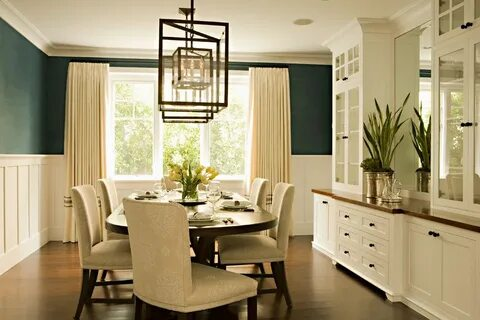
Floor-to-ceiling curtains in a tall-ceilinged period property living room are one of the most impactful design choices available. They add drama, warmth, and a sense of occasion that a Roman blind cannot replicate regardless of fabric quality. For formal drawing rooms, master bedrooms in traditional homes, and dining rooms where opulence is the goal, curtains remain the gold standard.
Thermal Performance in Cold Rooms
A full-length, lined curtain reaching from ceiling to floor provides substantially more insulation than a window-sized Roman blind. The air pocket between the curtain and the wall creates an additional thermal layer, and the length of the curtain means less cold air circulation near the floor. In a Victorian terrace with single glazing and draughty sash windows, heavy lined curtains can make a noticeable difference to heating bills.
Where Roman Blinds Win
Kitchens and Bathrooms
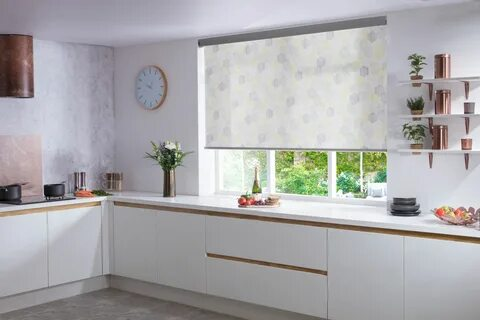
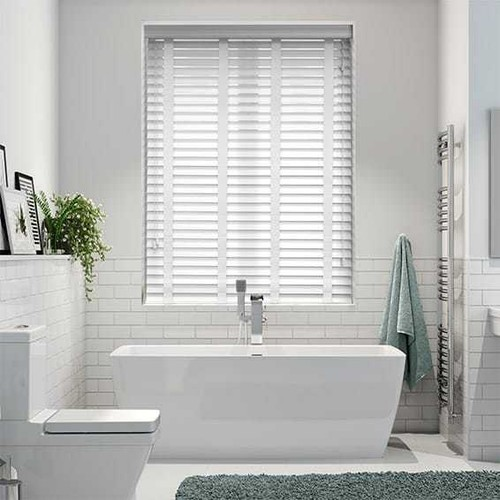
Kitchens and bathrooms are almost always better served by Roman blinds than curtains. Curtains catch cooking steam, accumulate grease particles, and become progressively more difficult to keep clean in a kitchen environment. A Roman blind in a wipeable or machine-washable fabric is far more practical. In a bathroom, curtains can develop mould along their hem from floor-level moisture — a Roman blind fitted at window height avoids this entirely.
Windows Over Radiators or Furniture
When a sofa, a desk, or a radiator sits directly under a window, curtains become awkward. They billow over the sofa, direct warm air from the radiator into the room inefficiently, and catch on furniture corners when drawn. A Roman blind fitted within the window recess avoids all these issues.
Rental Properties
Roman blinds are easier to install, easier to remove without damaging walls, and simpler to adapt to non-standard window sizes. For renters, a Roman blind — particularly a no-drill version — is the more practical and deposit-friendly choice.
For rental-friendly window coverings, explore our no-drill blinds collection which includes Roman blind alternatives.
Can You Have Both?
Yes — and many UK homeowners do. The combination of a Roman blind and curtains in the same window is common in living rooms and master bedrooms. The Roman blind provides the primary light and privacy control for daily use, while the curtains frame the window and add an extra layer of insulation and darkness in the evenings. The curtains do not need to be operable every day — they can remain tied back permanently as a decorative frame.
For this combination to work well, the Roman blind should be fitted inside the window recess (so the curtains clear the blind when drawn), and the curtains should be hung on a track or pole mounted well above and outside the window opening.
The Verdict
Roman blinds and curtains are not in direct competition — they excel in different contexts. Roman blinds win on practicality, ease of maintenance, cost, and suitability for kitchens, bathrooms, and rental properties. Curtains win on grandeur, thermal performance in large cold rooms, and the kind of formal, layered look that defines traditional British interior design. In the right context, both can look spectacular. In many rooms, the best answer is both.