Skip to content


 Vertical Blinds
 Roman Blinds
 Roller Blinds
 Venetian Blinds
 Day and Night Blinds
 Skylight Blinds
 Children
 Wooden Blinds
 Curtains
 Blinds Accessories
 White
White Yellow
 Gold
Gold Green
Green Grey
Grey Pink
Pink Orange
 Animal
 Floral
 Geometric
 Striped
 Motorized Day and Night Blinds
 Motorized Roller Blinds
 No Drill Rollers
 Perfect Fit Wooden
 Perfect Fit Metal
 Thermal Blinds
 Better Sleep Blinds
 Cordless Blinds
 No Drill Blinds
 Blackout Blinds
 Waterproof Blinds
 Easy Wipe Blinds
 Taped Blinds
 Conservatory
 Office
 Kitchen
 Bathroom
 Dining Room
 Kids Room
 Living Room
 Bedroom
 Bay Window
 Conservatory Window
 Tild and Turn Window
 Bi Fold Window
 Roof of Skylight
 French Door
 Sliding Door
Blackout Blinds for Living Rooms: Which Type Works Best?
- by Mariam Labadze
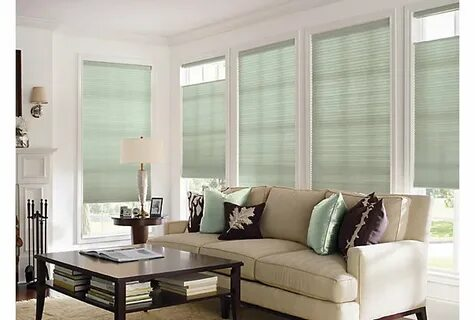
 The living room presents a more nuanced challenge for blackout blinds than the bedroom. Where a bedroom demands reliable darkness for sleep, the living room typically requires a more flexible approach — good ambient light during the morning and evening, effective glare control during peak afternoon sun, and the ability to darken the room for film watching. Finding a single blind that handles all of these requirements well is the key challenge, and the answer is rarely a standard blackout blind.
Why Living Rooms Are Different
A bedroom blackout blind can be simple: it goes down at night and stays down until morning. The living room is more complex. You want natural light during the day, but not glare. You want privacy in the evening, but not to feel boxed in. And periodically you want near-darkness for a film — but not necessarily the full-commitment blackout of a nursery blind that plunges the room into complete darkness.
Understanding these different requirements leads to a different product recommendation for the living room than for the bedroom. The best solution for most living rooms is not the highest-spec total blackout blind, but a combination approach that gives you flexibility across the day.
Day and Night Blinds: The Flexible Choice
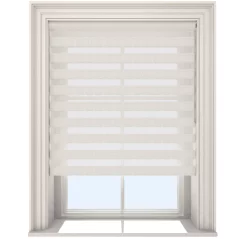
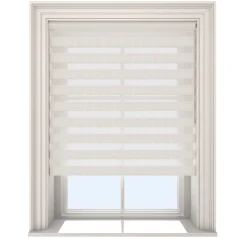
For most living rooms, day and night blinds offer the best balance of light control and practicality. By adjusting the position of the blind, you can move between diffused light, filtered privacy, and a solid, near-opaque setting that reduces direct glare significantly. In the evening, fully closed day and night blinds provide good privacy from outside while still allowing the room to feel warmer and less shut-in than a blackout blind.
Day and night blinds are also one of the most aesthetically versatile options for a living room. The horizontal stripe texture of the fabric — alternating sheer and opaque bands — adds visual interest to the window without dominating the room. In neutral tones such as grey, charcoal, or warm white, they complement virtually any interior style from contemporary minimalist to relaxed Scandi.
Blackout Roller Blinds for Film Rooms and South-Facing Rooms
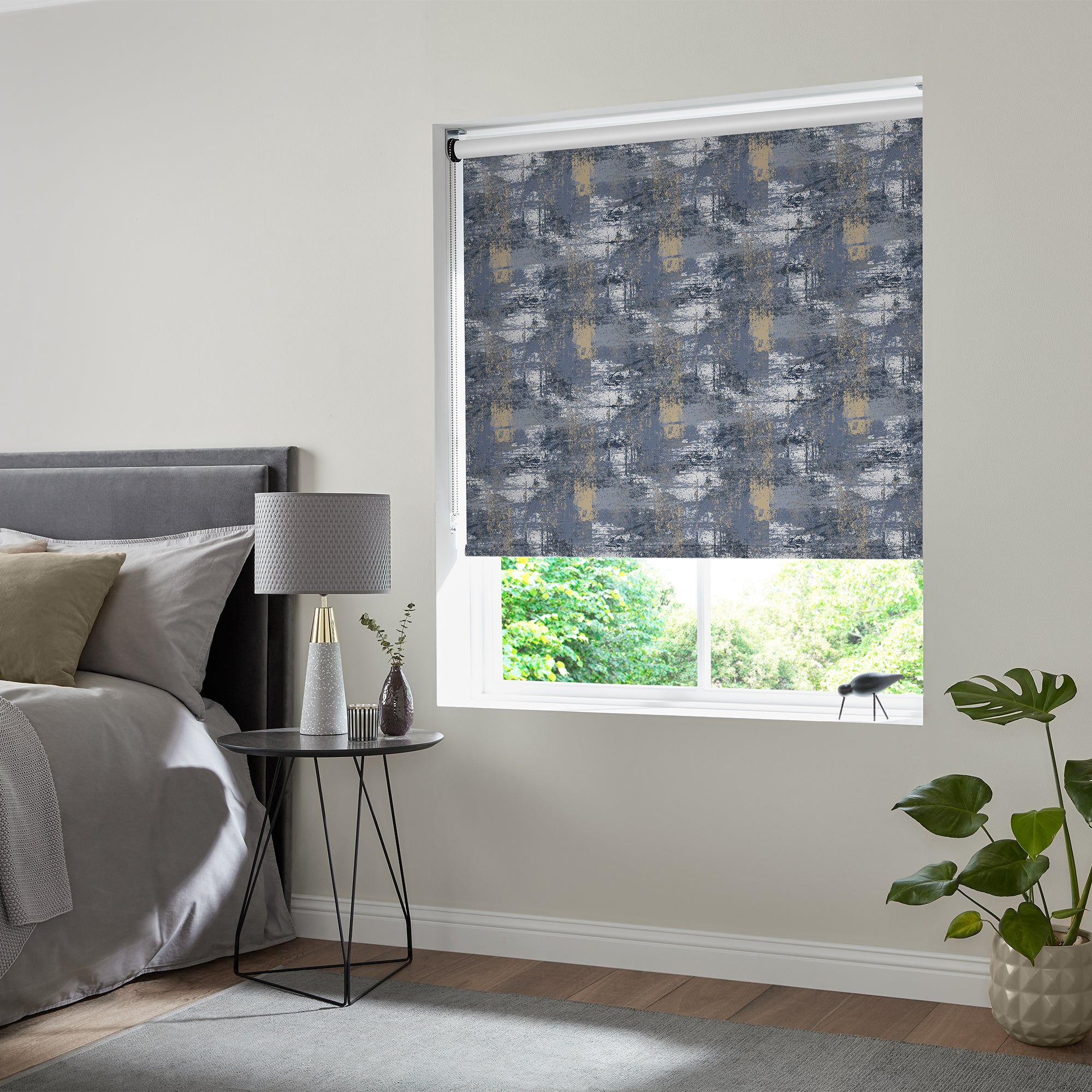
If your living room doubles as a home cinema, or if it faces south and receives intense afternoon sun that makes television watching uncomfortable, a blackout roller blind may be the right primary window treatment. For a dedicated film room, a total blackout blind fitted face-fixed with generous overlaps will eliminate light interference entirely and dramatically improve picture quality on any screen.
For south-facing rooms that are not dedicated cinemas, a blackout blind is often best used as a secondary layer beneath sheer curtains or alongside a day and night blind. This layered approach gives you full flexibility: sheer curtains or the open setting of a day and night blind for everyday use, the blackout blind deployed only when needed for afternoon sun or film watching.
Roman Blinds for a Stylish Living Room Look
If aesthetics are your primary consideration, a Roman blind in a blackout fabric offers a softer, more fabric-rich look than a roller blind while still providing good light control. Roman blinds are particularly popular in living rooms with traditional or transitional décor, where the soft folds of a linen or woven cotton Roman blind complement upholstered furniture and wooden flooring.
A Roman blind in a blackout fabric will perform similarly to a blackout roller blind in terms of light reduction through the fabric. The trade-off is that Roman blinds are more difficult to face-fix with large overlaps, which means edge light bleed is harder to eliminate. If total blackout is the goal, a roller is the more practical choice. If you want excellent light reduction with a more refined look, a Roman is an elegant compromise.
Design tip: In a living room with a bay window, fitting a Roman or day and night blind to each pane of the bay creates a layered, luxurious effect that is both practical and visually striking.
Layering Blinds with Curtains
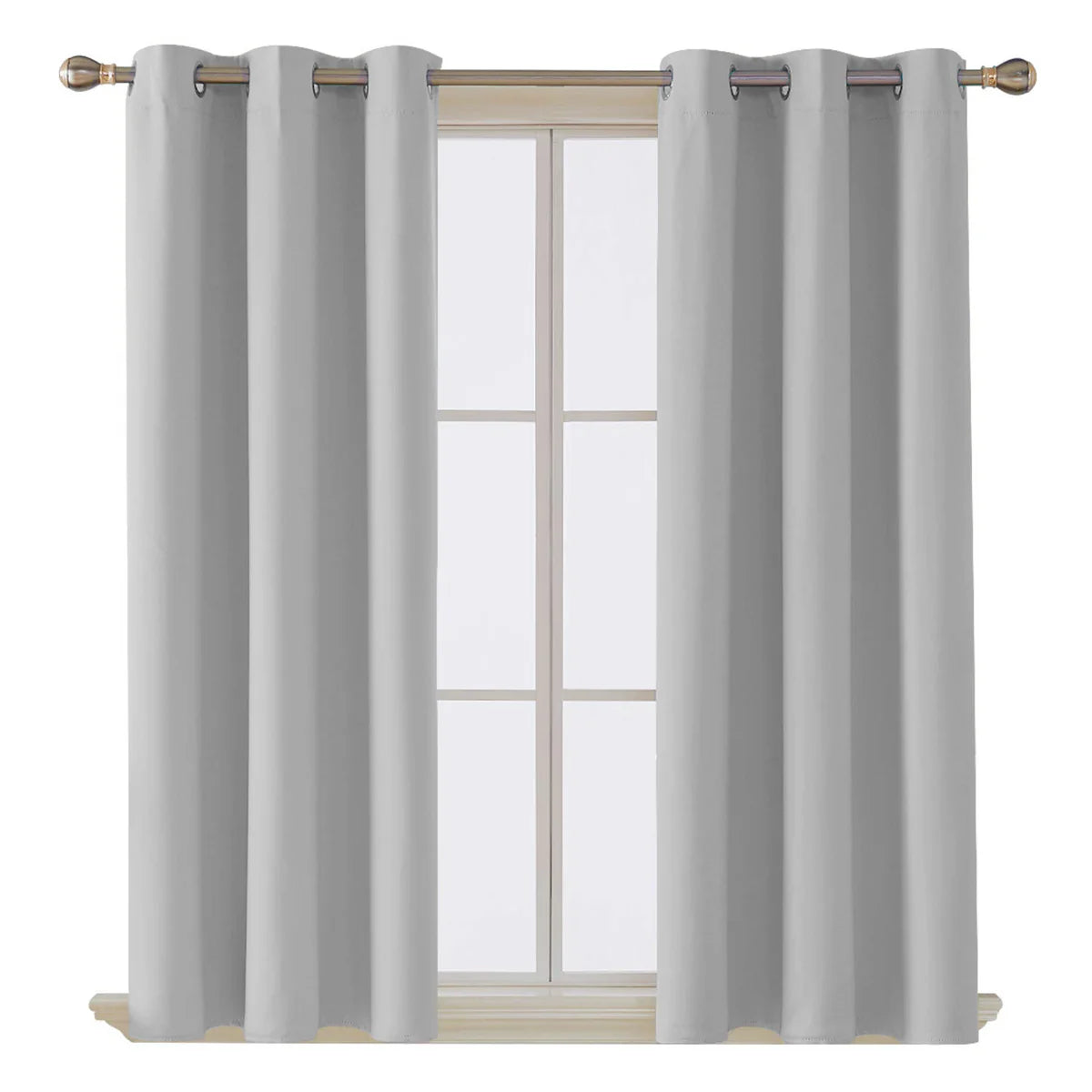
Many living rooms benefit from a layered approach: a blind for everyday light control and privacy, paired with curtains for warmth, softness, and a sense of occasion in the evening. A day and night blind behind a pair of linen or velvet curtains gives you both the adjustable light control of the blind and the warmth and visual richness of the curtains, without either element having to do all the work on its own.
When layering blinds and curtains, ensure the curtain pole or track extends far enough beyond the window that the curtains can be drawn back completely, exposing the full window and the blind beneath. Curtains that are permanently pushed to a narrow strip at the sides will look cluttered and will impede the light control function of the blind.
Choosing the Right Colour for a Living Room Blind
Colour choice in the living room is more considered than in a bedroom, where the blind is rarely seen in full daylight. In a living room, the blind is a decorative element as well as a functional one, and should coordinate with the overall colour scheme of the room.
Neutral tones — grey, charcoal, cream, taupe — are the most versatile choice and will complement most furniture arrangements. Bolder colours can work well as a focal point if the rest of the room is relatively understated. White and off-white blinds give a clean, airy look in rooms with pale walls and light flooring, but show marks more readily than darker tones and may require more frequent cleaning.
Motorised Blinds for the Living Room
The living room is also one of the most compelling locations for motorised blinds, particularly in open-plan spaces where multiple windows need to be adjusted simultaneously. A motorised day and night blind that can be closed at the touch of a button when afternoon sun reaches the television screen, or opened fully with a single voice command in the morning, transforms the everyday experience of the room. The motorised day and night blinds range at 1ClickBlinds includes options with remote control and smart home integration for exactly this purpose.
Recommended Approach by Room Type
For a modern open-plan living room with a large television: a motorised day and night blind in charcoal or grey, face-fixed with a shallow overlap, gives everyday flexibility and good afternoon glare control. For a traditional living room with bay windows: Roman blinds in a blackout fabric on each pane, combined with curtains around the bay perimeter, delivers both performance and style. For a dedicated home cinema: total blackout roller blinds, face-fixed, with generous overlaps on all sides and a pelmet above.
Browse the full range of blackout blinds and day and night blinds at 1ClickBlinds to find the right combination for your living room.