Skip to content


 Vertical Blinds
 Roman Blinds
 Roller Blinds
 Venetian Blinds
 Day and Night Blinds
 Skylight Blinds
 Children
 Wooden Blinds
 Curtains
 Blinds Accessories
 White
White Yellow
 Gold
Gold Green
Green Grey
Grey Pink
Pink Orange
 Animal
 Floral
 Geometric
 Striped
 Motorized Day and Night Blinds
 Motorized Roller Blinds
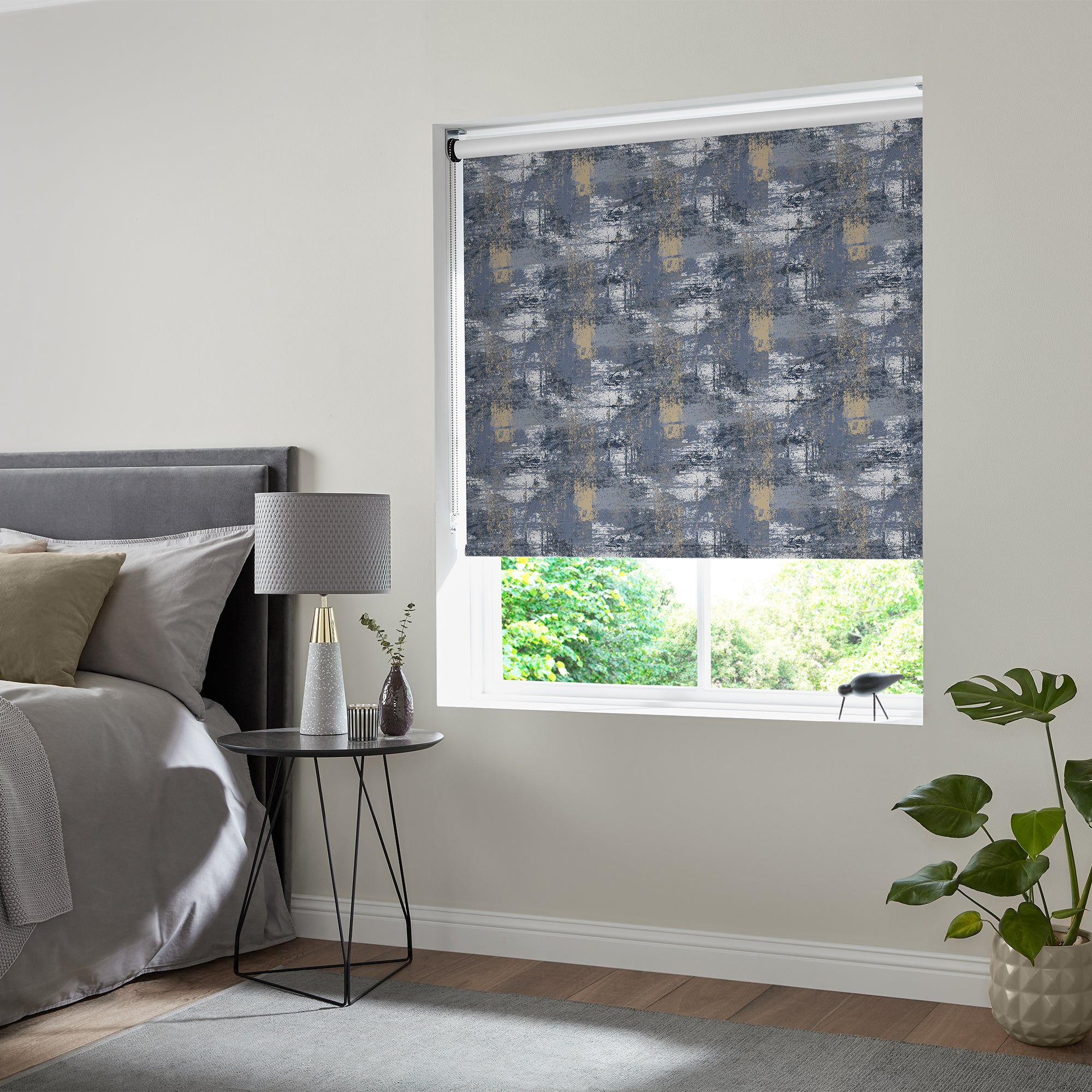 No Drill Rollers
 Perfect Fit Wooden
 Perfect Fit Metal
 Thermal Blinds
 Better Sleep Blinds
 Cordless Blinds
 No Drill Blinds
 Blackout Blinds
 Waterproof Blinds
 Easy Wipe Blinds
 Taped Blinds
 Conservatory
 Office
 Kitchen
 Bathroom
 Dining Room
 Kids Room
 Living Room
 Bedroom
 Bay Window
 Conservatory Window
 Tild and Turn Window
 Bi Fold Window
 Roof of Skylight
 French Door
 Sliding Door
Motorised Blinds: Are They Worth It for UK Homes in 2026?
- by Mariam Labadze
 Motorised blinds — once the preserve of luxury hotels and high-specification new builds — have become increasingly accessible and affordable for everyday UK homes. Advances in battery technology and wireless connectivity have removed the need for complex wiring, while integration with smart home platforms such as Alexa, Google Home, and Apple HomeKit has made automated window treatments a realistic option for the average homeowner. But are motorised blinds worth the investment? This guide examines what they offer, what they cost, and where they make the most sense.
How Motorised Blinds Work
Motorised blinds use a small electric motor, either built into the blind's tube or head rail, to raise and lower the blind. The motor is powered either by a mains connection, a rechargeable battery pack, or in some solar-powered models, a small photovoltaic panel integrated into the head rail. The motor is controlled wirelessly — by a remote handset, a wall-mounted touch switch, a smartphone app, or a voice assistant, depending on the system.
Most motorised blind systems operate via radio frequency or Wi-Fi. Radio frequency systems offer a reliable, low-latency connection that does not depend on your home internet connection, making them a robust choice for everyday use. Wi-Fi connected systems offer more control options — including remote operation from anywhere in the world via a smartphone — but are dependent on your broadband connection remaining active.
Types of Motorised Blinds Available in the UK
Motorised Roller Blinds
The most widely available and most affordable motorised blind type. The motor sits inside the roller tube and is essentially invisible when the blind is in use. Motorised roller blinds are available in the full range of roller blind fabrics — blackout, day and night, dimout, and sheer.
Motorised Day and Night Blinds
A particularly practical application of motorised technology, because day and night blinds benefit significantly from being able to adjust position precisely without manual operation. Motorised day and night blinds are available at 1ClickBlinds and can be integrated with smart home systems via the motorised day and night range.
Motorised Venetian Blinds
Less common than motorised rollers but available from specialist suppliers. Motorised venetian blinds typically offer both tilt and lift control via the motor, giving full remote control of both the slat angle and the blind position.
The Smart Home Advantage
The most compelling argument for motorised blinds in 2026 is their integration with smart home platforms. Once connected, motorised blinds can be scheduled to operate automatically based on time of day — rising in the morning with the alarm, lowering in the evening, or closing in the afternoon when south-facing rooms receive strong direct sun.
Integration with smart speakers means that adjusting blinds becomes as simple as saying 'Alexa, close the living room blinds'. For older family members, people with limited mobility, or anyone who simply values the convenience, voice control is a genuinely useful feature rather than a novelty.
Scene control is another significant benefit. If you have a smart home system, you can group your motorised blinds with your lights, heating, and other devices into scenes that trigger together. A 'movie mode' scene might lower blackout blinds, dim the lights, and set the thermostat simultaneously — activated with a single tap or voice command.
Where Motorised Blinds Add the Most Value
Hard-to-reach windows are perhaps the clearest use case for motorised blinds. Skylights, roof lanterns, high-level windows above staircases, and tall windows in double-height rooms are all locations where manual operation is inconvenient or even impossible without a step ladder. A motorised blind in these locations is not a luxury but a genuinely practical necessity.
In home cinemas and media rooms, motorised blackout blinds are the standard solution for a reason. Being able to lower full blackout at the press of a button, without having to get up from the sofa, transform the viewing experience. In open-plan living spaces, motorised blinds on multiple windows can be operated simultaneously with a single command, which is both convenient and visually coherent.
Energy saving: Motorised blinds scheduled to close during the hottest part of the day on south-facing windows can meaningfully reduce the amount of heat entering a room in summer, reducing the need for air conditioning or fans.
Battery vs Mains: Which Power Source Is Best?
Battery-powered motorised blinds are far easier to install than mains-connected models, as they require no wiring or electrician. Modern rechargeable battery systems typically offer six to twelve months of operation on a single charge, depending on the frequency of use. Most systems can be recharged via a USB cable without removing the motor from the blind.
Mains-connected motorised blinds offer unlimited operational life without the need for recharging, but they require a power outlet near each blind — something that is not always available in the right position. In new builds or properties undergoing renovation, wiring for motorised blinds during the construction phase is far more cost-effective than retro-fitting afterwards.
How Much Do Motorised Blinds Cost?
The cost of motorised blinds varies significantly by type, size, and manufacturer. A motorised roller blind for a standard window starts from approximately £80 to £150 in the UK, compared to £20 to £50 for a similar corded model. For larger windows or specialist systems with smart home integration, prices can rise considerably higher.
When calculating whether motorised blinds represent value for money, consider not just the product price but the installation simplicity of battery-powered models (no electrician needed), the long-term convenience in rooms where you use them every day, and the safety benefit in rooms where corded blinds would otherwise be used near children.
Are Motorised Blinds Worth It?
The honest answer depends on where you are fitting them. For skylights, high windows, home cinemas, and smart home setups, motorised blinds are absolutely worth the investment — they solve a genuine problem that manual blinds cannot address as effectively. For standard windows in everyday rooms, the value proposition is more personal. If you place a high premium on convenience and smart home integration, the step up from corded to motorised is worthwhile. If your priority is simply covering the window at a sensible price, a high-quality corded roller blind or day and night blind will serve the purpose admirably.