Skip to content


 Vertical Blinds
 Roman Blinds
 Roller Blinds
 Venetian Blinds
 Day and Night Blinds
 Skylight Blinds
 Children
 Wooden Blinds
 Curtains
 Blinds Accessories
 White
White Yellow
 Gold
Gold Green
Green Grey
Grey Pink
Pink Orange
 Animal
 Floral
 Geometric
 Striped
 Motorized Day and Night Blinds
 Motorized Roller Blinds
 No Drill Rollers
 Perfect Fit Wooden
 Perfect Fit Metal
 Thermal Blinds
 Better Sleep Blinds
 Cordless Blinds
 No Drill Blinds
 Blackout Blinds
 Waterproof Blinds
 Easy Wipe Blinds
 Taped Blinds
 Conservatory
 Office
 Kitchen
 Bathroom
 Dining Room
 Kids Room
 Living Room
 Bedroom
 Bay Window
 Conservatory Window
 Tild and Turn Window
 Bi Fold Window
 Roof of Skylight
 French Door
 Sliding Door
Cordless Blinds: Are They Safer and Better for UK Homes?
- by Mariam Labadze
 Cordless blinds have been growing steadily in popularity across the UK over the past decade, driven partly by child safety legislation, partly by a desire for cleaner aesthetics, and partly by the simple fact that a blind without a dangling cord is easier to use. But cordless blinds come with trade-offs, and not every cordless mechanism works equally well in every blind type. This guide explains how cordless blinds work, why they are safer, who should use them, and what to expect from different cordless systems in 2026.
Why Cords on Blinds Are a Hazard
Blind cords are among the leading causes of accidental strangulation in young children under five in the UK. A looped cord — the kind that hangs in a single loop from the side of a roller or venetian blind — creates a ligature hazard at exactly the height accessible to an exploring toddler. The Child Accident Prevention Trust and the Royal Society for the Prevention of Accidents (RoSPA) have both published guidance recommending the removal or securing of all looped cords in homes with children under five.
UK regulations have been tightened considerably in recent years. Since March 2022, looped cords are no longer permitted on new blinds sold to consumers through retail channels unless the cord is of a type that breaks under load (a 'safety release' mechanism). Cordless blinds sidestep this issue entirely by eliminating the operating cord from the design altogether.
💡 If you have existing corded blinds in a home with young children, fit a cord cleat (a small hook that holds the cord out of reach when not in use) as an immediate safety measure while you plan a replacement.
How Cordless Blinds Work
Spring-Loaded Cordless Roller Blinds
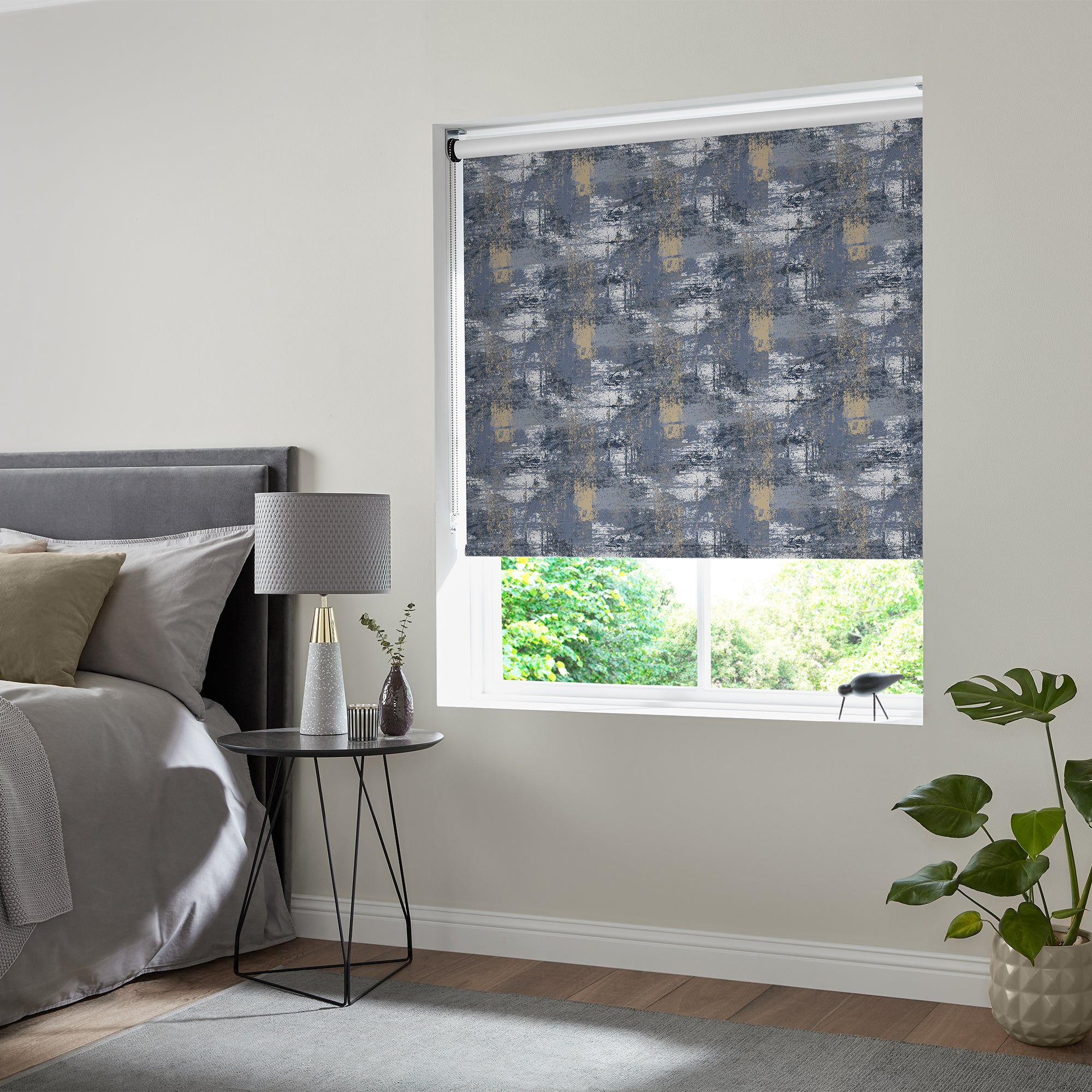
The most common cordless roller blind system uses a spring-loaded roller tube. The spring is tensioned when the blind is rolled up and provides the force needed to raise the blind. To lower the blind, you pull the bottom rail downward; to raise it, you push the bottom rail upward slightly, which releases the spring catch and allows the tension to draw the fabric back up. This push-to-raise system is straightforward once you are used to it, though it can feel unintuitive at first.
Cordless Venetian Blinds
Cordless venetian blinds use a different mechanism — typically a friction-based system where the slats are supported by woven tape rather than cords. Raising and lowering is done by lifting or pressing the bottom rail directly. Some cordless venetian systems incorporate a wand or small handle on the headrail for tilt control of the slats, replacing the traditional tilt cord.
Cordless Perfect Fit and Honeycomb Blinds
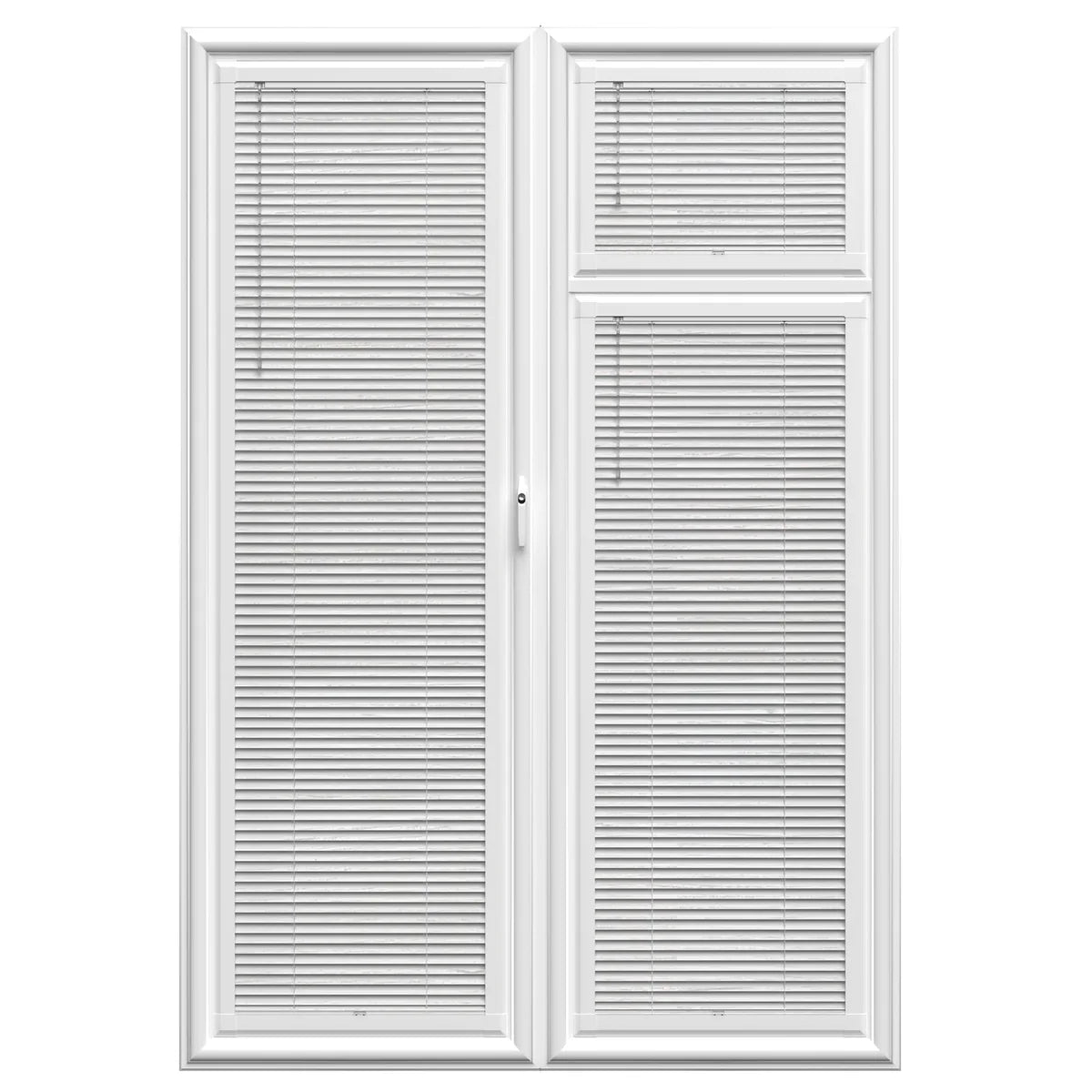
Perfect fit blinds and most honeycomb blinds are inherently cordless by design — the operating mechanism is built into the frame or headrail, controlled by pushing the bottom bar directly upward or pulling it downward. There is no hanging cord at any point, which makes them the safest option for households with children and pets.
The Aesthetic Advantage
Beyond safety, cordless blinds simply look better. Without a chain or cord hanging down one side of the window, the blind presents a clean, uninterrupted profile. This is particularly noticeable in minimal or Scandi-influenced interiors where every trailing element detracts from the desired calm of the space.
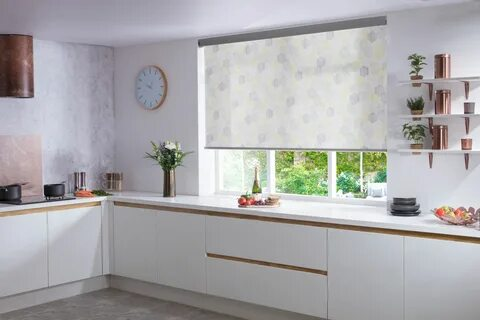
In a home office, the absence of a cord reduces the visual clutter around a desk or monitor setup. In a kitchen, there is no cord to catch on cabinet handles or swing toward the hob. The aesthetic case for cordless blinds is strong even in households without children.
Are There Any Disadvantages?
Cordless blinds do have a few practical limitations worth understanding before buying. The most frequently cited is height: very tall windows can make a cordless roller blind difficult to lower, because you must reach the bottom rail to push it down. For windows above 200 cm in drop, a standard corded blind or a motorised cordless system is usually more practical.
Cordless spring mechanisms also require a certain amount of maintenance. Over time, the spring tension can reduce, making the blind slower to raise. Most springs can be re-tensioned by rolling the blind fully up, removing it from the brackets, and rolling it by hand several times before refitting — a simple process that takes under a minute.
Motorised Blinds: Cordless Without the Compromise
For tall windows, wide windows, or simply the desire for the most convenient possible operation, motorised blinds are the ultimate cordless solution. A motorised blind uses an electric motor fitted inside the roller tube (for roller blinds) or the headrail (for venetian and pleated blinds), operated by a remote control, wall switch, or smart home system. There is no cord, no spring tension to maintain, and no physical reaching required.
Browse our motorised day and night blinds — available in rechargeable and mains-powered versions for any window size.
Cordless Blinds for Children's Rooms
For a child's bedroom or nursery, cordless blinds are not just a preference — they are best practice. The ideal configuration for a nursery or young child's room is a cordless blackout blind, either in a perfect fit, honeycomb, or spring roller format, combined with a face-fixed installation that prevents light from entering around the edges. This combination maximises sleep quality and eliminates cord hazards completely.
See our full range of cordless blinds including roller, venetian, and honeycomb options in blackout and day-light filtering fabrics.
Can You Convert a Corded Blind to Cordless?
In most cases, no — the cordless mechanism is built into the headrail or roller tube and cannot be retrofitted to an existing corded blind. The exception is venetian blinds where wand kits are sometimes available as accessories. If you have an existing corded blind and want to eliminate the cord hazard, the safest and most reliable solution is to fit a new cordless blind, using the existing brackets if they are compatible.
As an interim measure for existing corded blinds, a cord cleat mounted at adult height on the window frame will hold the cord safely out of a child's reach. This is a low-cost, immediate fix while a replacement is planned.
Conclusion
Cordless blinds are safer, cleaner-looking, and simpler to use than their corded equivalents. For households with children or pets, they eliminate the most significant blind-related safety hazard in UK homes. For minimalist or Scandi-influenced interiors, they provide the clean visual lines that corded blinds cannot match. The trade-offs — limited range of styles at the very tallest window heights, and the need for periodic spring maintenance — are minor compared to the benefits.