Skip to content


 Vertical Blinds
 Roman Blinds
 Roller Blinds
 Venetian Blinds
 Day and Night Blinds
 Skylight Blinds
 Children
 Wooden Blinds
 Curtains
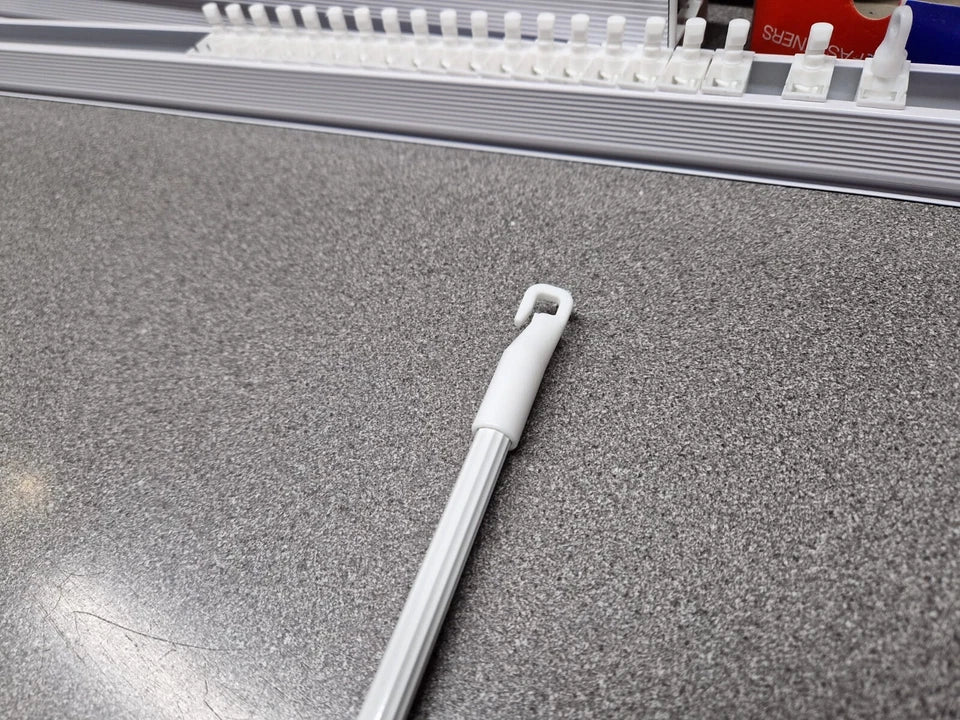 Blinds Accessories
 White
White Yellow
 Gold
Gold Green
Green Grey
Grey Pink
Pink Orange
 Animal
 Floral
 Geometric
 Striped
 Motorized Day and Night Blinds
 Motorized Roller Blinds
 No Drill Rollers
 Perfect Fit Wooden
 Perfect Fit Metal
 Thermal Blinds
 Better Sleep Blinds
 Cordless Blinds
 No Drill Blinds
 Blackout Blinds
 Waterproof Blinds
 Easy Wipe Blinds
 Taped Blinds
 Conservatory
 Office
 Kitchen
 Bathroom
 Dining Room
 Kids Room
 Living Room
 Bedroom
 Bay Window
 Conservatory Window
 Tild and Turn Window
 Bi Fold Window
 Roof of Skylight
 French Door
 Sliding Door
How to Clean Wooden Blinds Without Damaging Them
- by Mariam Labadze
 Wooden blinds are one of the most elegant window coverings you can put in a UK home. Real wood venetian blinds in particular bring warmth and texture that no synthetic alternative fully replicates. But wood is also one of the most unforgiving materials when it comes to cleaning — get it wrong with too much water, the wrong cleaning product, or excessive scrubbing, and you can warp slats, strip finishes, or cause swelling that leaves slats permanently bowed. This guide explains how to clean wooden blinds properly, from a quick weekly dust to a deep clean, without risking damage.
Why Wooden Blinds Need Special Care
Unlike aluminium or PVC faux wood blinds, real wood is an organic material that reacts to moisture. Even modest amounts of water left on wooden slats can cause them to absorb liquid, swell, and warp. High heat and steam can have the same effect. This is why real wood venetian blinds should never be installed in bathrooms or kitchens — and why cleaning methods that work fine on a faux wood blind can ruin a real wood one.
The finish on wooden blinds — whether painted, lacquered, or stained — also affects how they should be cleaned. A lacquered finish provides more protection against light moisture than an oil or wax finish, but neither should be exposed to excessive water or harsh chemicals.
What You Will Need
For regular dusting: a microfibre cloth, a dedicated blind-cleaning duster (available with individual finger slots for each slat), or the soft brush attachment on a vacuum cleaner. For deeper cleaning: a second, slightly damp microfibre cloth, a dry cloth, and a small amount of wood-safe cleaning solution or mild washing-up liquid diluted in clean water. Avoid: steam cleaners, soaking cloths, solvent-based cleaners, bleach, and any abrasive pads.
Step 1: Regular Dusting (Weekly or Fortnightly)
Rotate the slats to the closed position (either fully tilted forward or fully tilted back — choose whichever presents the widest flat surface to clean). Working from top to bottom and left to right, wipe each slat with a dry microfibre cloth or duster, applying gentle even pressure along the full length of the slat. Do not scrub or press hard — the goal is to lift dust off the surface, not grind it in.
Once the front surface is done, rotate the slats in the opposite direction and repeat for the back face. Most household dust accumulates primarily on the upper surface of each slat, which is the side facing upward when the blind is in the closed position — pay particular attention to this surface.
💡 A dedicated blind-cleaning duster that slips over multiple slats at once cuts cleaning time significantly on wider blinds. Clean the duster itself in warm water and allow it to dry fully before using on real wood — never use a damp blind duster on wooden slats.
Step 2: Wiping Down Lightly Soiled Slats
For slats that are lightly soiled — with fingerprints, minor cooking splatter, or dust that has become damp and sticky — a very slightly damp microfibre cloth will remove the marks. 'Slightly damp' means wrung out so thoroughly that the cloth barely feels wet to the touch. Wipe each slat with the damp cloth, then immediately follow with a dry cloth to lift any remaining moisture.
Work one slat at a time rather than wiping the entire blind in a single pass. This ensures no slat is left damp for more than a few seconds.
For the right cleaning accessories and tools, visit blinds accessories at 1ClickBlinds.
Step 3: Tackling Stubborn Marks
For marks that do not lift with a lightly damp cloth — dried-on food, adhesive residue from stickers, or scuffs — try a dilute solution of mild washing-up liquid in warm water. Dip a clean cloth, wring it thoroughly, and gently work the mark with a circular motion. Do not press hard or scrub. Immediately after, wipe the area with a clean damp cloth to remove the soap residue, followed by a dry cloth.
For adhesive residue, a small amount of white spirit on a cloth can dissolve the adhesive without damaging most lacquered finishes — but test on an inconspicuous area first. Allow the area to dry completely and re-polish with furniture wax or wood conditioner if the finish appears dull after treatment.
What to Avoid
Steam cleaners are the most common cause of irreversible damage to wooden blinds. The combination of heat and moisture penetrates the wood and causes rapid swelling and warping. This damage is permanent — a warped slat cannot be repaired and must be replaced. Even if a steam cleaner is used briefly and at a distance, the risk is too high for real wood.
Bleach-based cleaners and solvent-based sprays will strip lacquered or painted finishes, leaving the wood exposed and potentially discoloured. Avoid any product labelled as a bathroom or kitchen surface cleaner, as these typically contain harsh active ingredients designed for non-porous surfaces.
Soaking a cloth is also problematic even for what seems like a 'quick wipe' — water follows the path of least resistance along the wood grain, and a seemingly minor surface wipe can introduce moisture into the joints where slats meet the weave tape.
Caring for the Weave Tapes and Cords
Wooden venetian blinds use fabric weave tapes that run vertically along the inside face of the slats. These tapes can become dusty or marked in the same way as the slats themselves. Wipe them gently with a dry microfibre cloth or a soft brush — avoid getting them wet, as wet tapes can shrink slightly and pull the alignment of the slats out of true.
The lift cord on a wooden blind can be spot-cleaned with a barely damp cloth if it becomes discoloured. Do not soak the cord or expose it to steam.
Re-conditioning and Polishing
Real wood blinds benefit from occasional re-conditioning, particularly in heated homes where indoor air is dry and the wood can gradually lose moisture and become slightly brittle. A light application of beeswax polish or a purpose-made wood conditioner applied to each slat with a soft cloth helps maintain the lustre and protective properties of the finish. Apply sparingly, buff to a light shine, and allow to dry fully before operating the blind.
If your wooden blinds are beyond cleaning and you are looking to upgrade, our perfect fit wooden blind collection offers real wood venetian blinds in a no-drill format.
When to Replace Rather Than Clean
If slats are warped, cracked, or have finish that is peeling extensively, cleaning will not restore them. Individual slat replacement is possible in many wooden venetian systems, and is worth considering if only one or two slats are damaged. If the majority of slats are affected, a full replacement is more economical.
Browse our venetian blinds collection for real wood and faux wood replacement options.
Summary
Clean wooden blinds regularly with a dry microfibre cloth or duster to prevent dust build-up. For soiling, use a barely-damp cloth followed immediately by a dry one. Never use steam, soaking cloths, bleach, or solvent cleaners on real wood. Recondition periodically with wood wax or conditioner to maintain the finish. With the right care, real wood venetian blinds will look beautiful for a decade or more.