 Skip to content


 Vertical Blinds
 Roman Blinds
 Roller Blinds
 Venetian Blinds
 Day and Night Blinds
 Skylight Blinds
 Children
 Wooden Blinds
 Curtains
 Blinds Accessories
 White
White Yellow
 Gold
Gold Green
Green Grey
Grey Pink
Pink Orange
 Animal
 Floral
 Geometric
 Striped
 Motorized Day and Night Blinds
 Motorized Roller Blinds
 No Drill Rollers
 Perfect Fit Wooden
 Perfect Fit Metal
 Thermal Blinds
 Better Sleep Blinds
 Cordless Blinds
 No Drill Blinds
 Blackout Blinds
 Waterproof Blinds
 Easy Wipe Blinds
 Taped Blinds
 Conservatory
 Office
 Kitchen
 Bathroom
 Dining Room
 Kids Room
 Living Room
 Bedroom
 Bay Window
 Conservatory Window
 Tild and Turn Window
 Bi Fold Window
 Roof of Skylight
 French Door
 Sliding Door
Honeycomb Blinds: Complete UK Buyer's Guide (2026)
- by Mariam Labadze
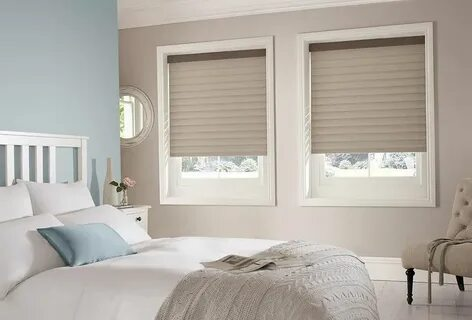
 Honeycomb blinds — also known as cellular blinds — are among the most technologically sophisticated window coverings available in the UK market. Designed to combine exceptional insulation with elegant light control, they have grown significantly in popularity as UK homeowners become more conscious of energy efficiency and heating costs. This guide explains what honeycomb blinds are, how they work, and how to choose the right type for your windows.
What Are Honeycomb Blinds?
Honeycomb blinds take their name from the cross-sectional shape of their fabric construction. When you look at the fabric from the side, you can see rows of hexagonal air pockets — like the cells of a honeycomb — running across the full width of the blind. These air pockets are not decorative; they are structural, and they serve as insulating chambers that trap warm air against the window and slow the transfer of heat from the room to the cold glass.
The fabric itself is a non-woven material that holds its pleated shape even when fully extended. Unlike a woven fabric, the non-woven construction means there is no weave pattern that light can penetrate — instead, the opacity of the fabric depends on the thickness and density of the non-woven material. This means honeycomb blinds can be produced in light-filtering, dimout, and total blackout versions simply by varying the fabric specification.
Single Cell vs Double Cell: What Is the Difference?
Honeycomb blinds are available in single-cell and double-cell (sometimes called duette) configurations. In a single-cell blind, there is one layer of honeycomb cells running across the width of the blind. In a double-cell blind, there are two layers of cells stacked on top of each other, creating a deeper and more effective insulating chamber.
Double-cell honeycomb blinds provide significantly better thermal performance than single-cell variants — the additional cell layer increases the insulating value of the blind measurably. However, double-cell blinds are also thicker, which means they take up more space in the stack at the top of the window when raised, and they are generally more expensive than single-cell alternatives.
For most UK homes where energy efficiency is a primary concern, double-cell honeycomb blinds offer the better long-term value despite the higher upfront cost.
Energy insight: Research conducted on similar dual-cell pleated blind products suggests that cellular blinds can reduce heat loss through a single-glazed window by up to 40%, and through a double-glazed window by a meaningful additional margin compared to no window covering at all.
Light Filtering, Dimout, and Blackout Options
One of the most useful properties of honeycomb blinds is that they are available across the full range of opacity levels. Light-filtering honeycomb blinds allow natural daylight to enter the room softly — the cellular structure diffuses the light rather than blocking it, creating a warm, evenly lit effect without glare. Dimout varieties significantly reduce light without eliminating it. And total blackout honeycomb blinds, such as the popular honeycomb blackout blind at 1ClickBlinds, use a dense, triple-weave fabric that prevents any light transmission through the blind itself.
Perfect Fit Honeycomb Blinds
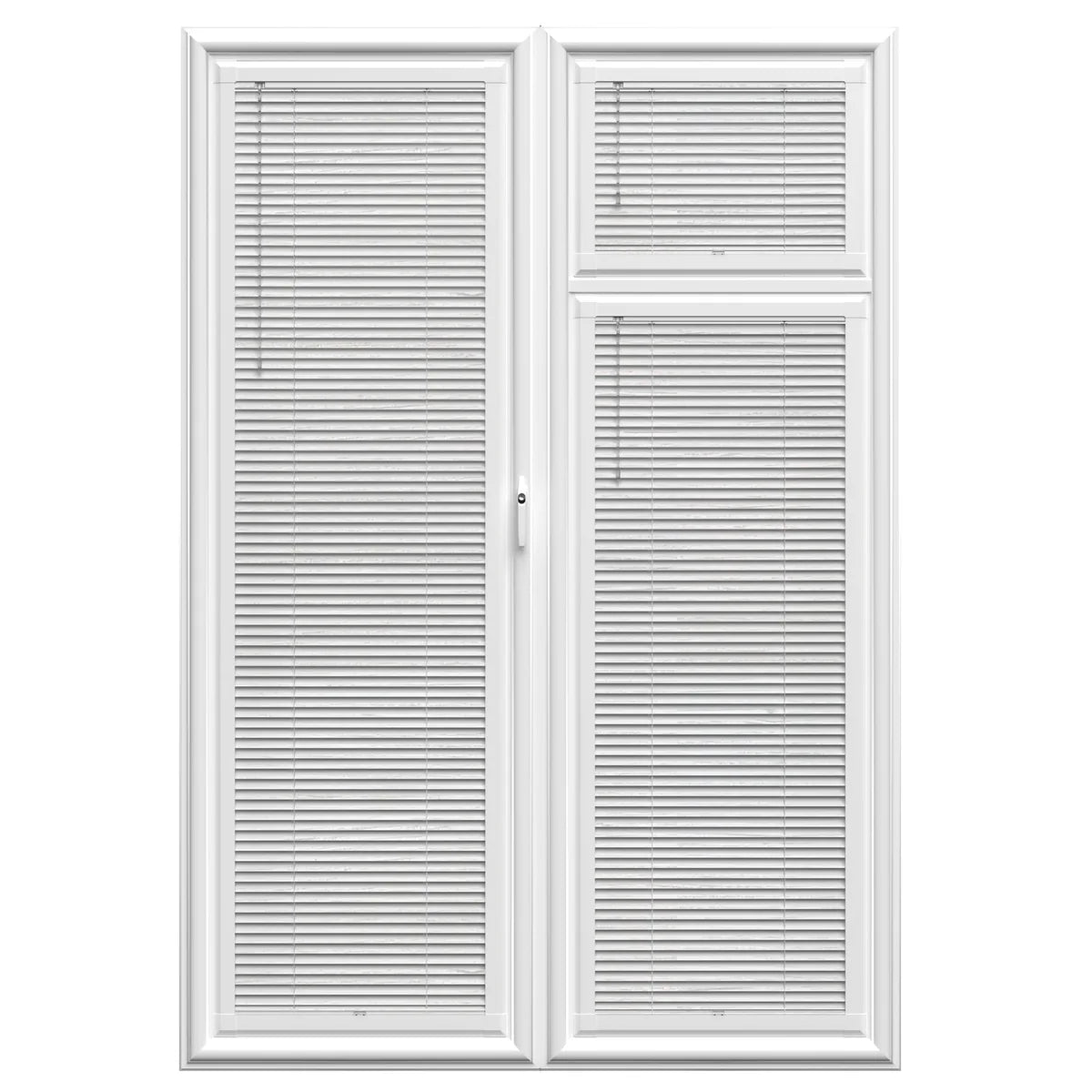
A significant proportion of honeycomb blinds in the UK market are sold in perfect fit format — that is, they clip directly into the rubber gasket of a double-glazed window without brackets or drilling. This format is particularly effective with honeycomb blinds because the blind sits in direct contact with the window frame, minimising the gap between the blind and the glass and maximising the insulating effect. It also means that the blind follows the window as it opens, which is a significant practical advantage compared to a separately mounted blind.
Perfect fit honeycomb blinds are also a popular no-drill solution for renters, as they can be installed and removed without any permanent fixings. Explore the full range at 1ClickBlinds.
Top-Down, Bottom-Up Operation
A distinctive feature of many honeycomb blinds is the availability of top-down, bottom-up operation. In a standard blind, you raise or lower the entire blind from the bottom. In a top-down, bottom-up honeycomb blind, you can independently move both the top and the bottom of the blind, giving you an unprecedented level of control over light and privacy.
For example, you can raise the bottom of the blind to chest height to block the view from outside at street level, while simultaneously lowering the top of the blind to allow natural light in from above. This configuration is particularly popular in ground-floor rooms that face a pavement or a road, where maximum privacy at eye level is important without sacrificing daylight.
Honeycomb Blinds for Skylights and Roof Windows
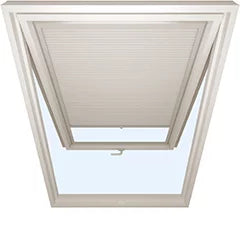
Skylights and roof windows present particular challenges for conventional blinds. The angle of the glass, the difficulty of access, and the intensity of light and heat from direct overhead sun all make standard blind solutions impractical. Honeycomb blinds, particularly in motorised or top-down configurations, are one of the most effective solutions for these locations.
Specialist skylight honeycomb blinds are available for the most common roof window brands, with fitting systems that allow the blind to be held in position against the glass regardless of the window angle. The insulating properties of honeycomb fabric are particularly valuable in a skylight, where heat gain in summer and heat loss in winter are both significant issues.
Measuring and Fitting Honeycomb Blinds
Honeycomb blinds are measured and fitted in broadly the same way as roller or Roman blinds — inside recess or face-fixed, with measurements taken at multiple points across the window width and drop. The key difference is that the pleated fabric stacks horizontally when the blind is raised, and the depth of the stack varies depending on the number of cells and the drop of the blind. For very long drops on tall windows, the stack can be quite deep, and this should be taken into account when planning the position of the head rail.
For detailed measuring guidance specific to the honeycomb blind you are considering, product pages at 1ClickBlinds include step-by-step measuring instructions tailored to each product format.
How Much Do Honeycomb Blinds Cost?
Honeycomb blinds are typically priced higher than roller or venetian blinds of comparable size, reflecting the more complex fabric construction and greater insulating value. In the UK, a made-to-measure single-cell honeycomb blind for a standard window starts from approximately £50 to £80. Double-cell versions are generally £80 to £150 and above for larger windows. Perfect fit formats may carry a small premium over standard bracket-fitted varieties.
When assessing cost, consider the long-term energy saving potential of honeycomb blinds. In a poorly insulated home with large windows, the reduction in heat loss through the windows can translate into a measurable reduction in heating bills over the course of a winter — a factor that is not relevant when comparing against a standard roller or venetian blind.




)