Skip to content


 Vertical Blinds
 Roman Blinds
 Roller Blinds
 Venetian Blinds
 Day and Night Blinds
 Skylight Blinds
 Children
 Wooden Blinds
 Curtains
 Blinds Accessories
 White
White Yellow
 Gold
Gold Green
Green Grey
Grey Pink
Pink Orange
 Animal
 Floral
 Geometric
 Striped
 Motorized Day and Night Blinds
 Motorized Roller Blinds
 No Drill Rollers
 Perfect Fit Wooden
 Perfect Fit Metal
 Thermal Blinds
 Better Sleep Blinds
 Cordless Blinds
 No Drill Blinds
 Blackout Blinds
 Waterproof Blinds
 Easy Wipe Blinds
 Taped Blinds
 Conservatory
 Office
 Kitchen
 Bathroom
 Dining Room
 Kids Room
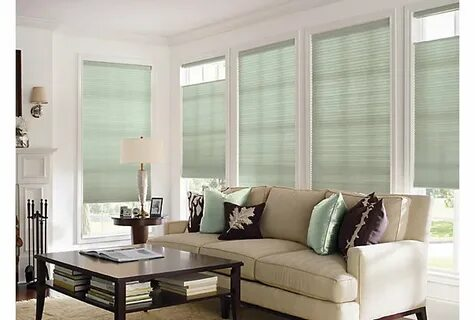 Living Room
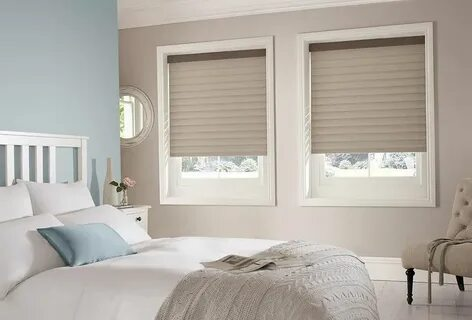 Bedroom
 Bay Window
 Conservatory Window
 Tild and Turn Window
 Bi Fold Window
 Roof of Skylight
 French Door
 Sliding Door
Pleated Blinds vs Roller Blinds: Which Is Better for Your Home?
- by Mariam Labadze
 Pleated blinds and roller blinds are both popular choices for UK homes, and at first glance they can seem to offer similar functionality — both are mounted at the top of the window and lowered to control light and privacy. But they differ significantly in construction, appearance, light control, and the types of windows they suit best. This comparison guide explains the key differences and helps you decide which is the right choice for your situation.
How They Are Constructed
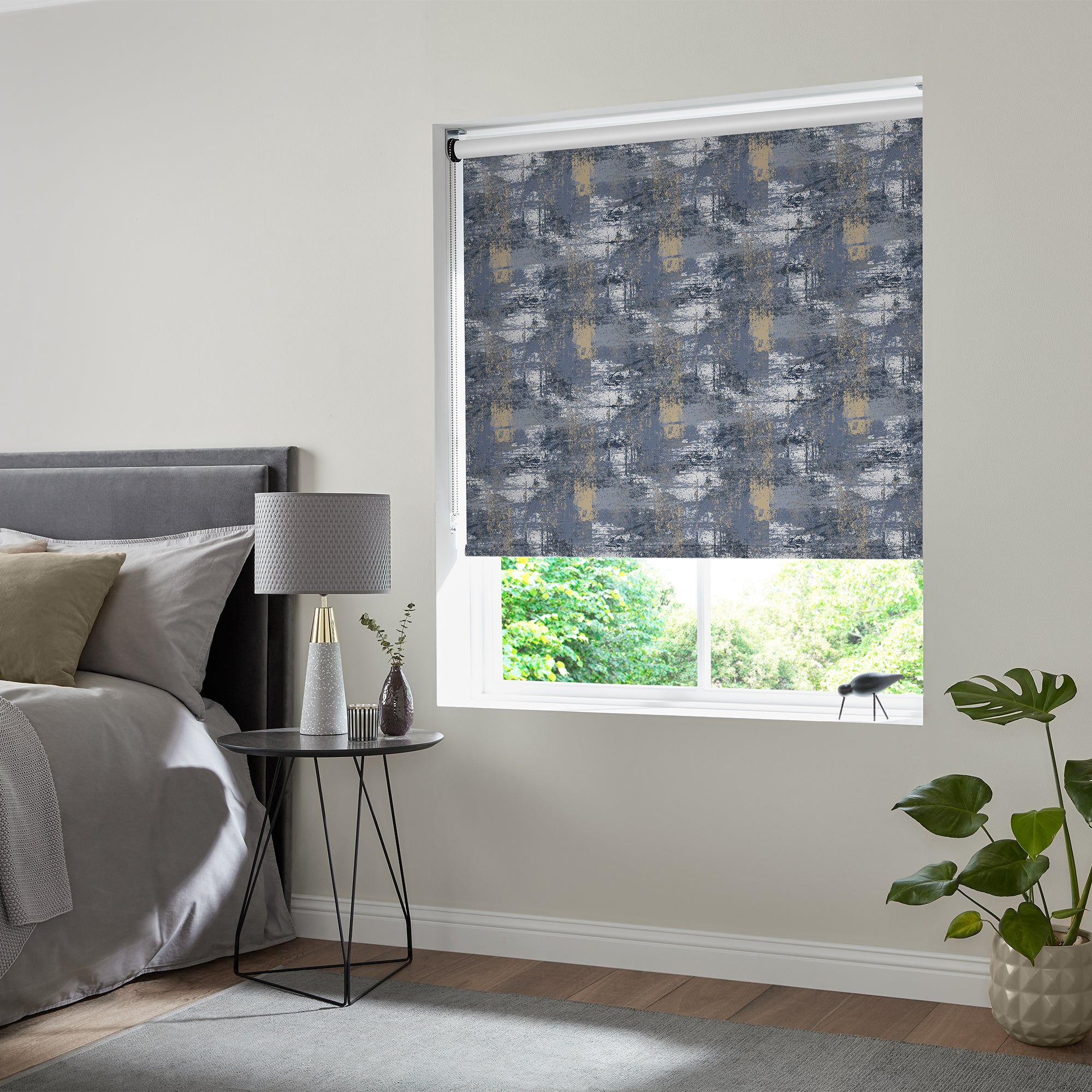
A roller blind is a single piece of fabric attached to a tube at the top of the window. When raised, the fabric coils around the tube. When lowered, it unrolls into a flat, smooth panel. The operating mechanism is simple — a spring or chain drive — and the fabric hangs flat against the window with no folds, pleats, or texture.
A pleated blind is made from a fabric that has been factory-folded into precise, uniform pleats — typically 20 mm or 25 mm wide. When the blind is raised, the pleats stack neatly at the top of the window. When lowered, the pleated fabric extends across the window in a series of horizontal folds that create texture and visual interest. Unlike a roller blind, a pleated blind always has visible texture, even when fully closed.
Appearance and Aesthetics
The most obvious difference between pleated and roller blinds is visual. Roller blinds, when lowered, create a flat, clean, uninterrupted surface at the window — an effect that suits minimalist, contemporary interiors where simplicity is valued. The absence of texture means that roller blinds recede visually, making them less of a decorative statement and more of a functional backdrop.
Pleated blinds, by contrast, add texture and tactile quality to the window. The uniform folds catch light differently across the day, creating gentle shadow patterns that make the blind a more decorative element within the room. In Scandi-style interiors, home offices, and bedrooms, the soft texture of a pleated blind is often preferred over the flat simplicity of a roller.
Light Control
Both blind types are available in the same range of opacity levels — sheer, light-filtering, dimout, and blackout. However, there are some differences in how effectively each blocks light in practice. Roller blinds, when made from a true blackout fabric and fitted with appropriate overlaps, can achieve near-total light exclusion through the fabric itself. Pleated blinds in blackout fabric perform similarly through the fabric, but the pleated construction means there is always a very small amount of edge light due to the way the fabric sits at the sides of the window.
For applications where total blackout is the absolute priority — shift workers, nurseries, home cinemas — a blackout roller blind is generally the more reliable choice. For applications where dimout or light filtering is sufficient, both blind types perform equally well. The blackout blinds range at 1ClickBlinds includes both roller and honeycomb (pleated) options for comparison.
Insulation and Energy Efficiency
This is where pleated blinds have a significant advantage. Honeycomb cellular blinds — which are a type of pleated blind — trap air in their cellular structure and act as an insulating layer between the window and the room. This reduces heat loss in winter and heat gain in summer, making cellular pleated blinds one of the most energy-efficient window covering options available.
Standard roller blinds offer minimal insulation. Even a thick blackout roller blind has little thermal resistance, as it is a single flat layer of fabric with no air-trapping structure. If reducing heating bills is part of your motivation for fitting new blinds, a cellular pleated blind is the better choice.
Suitability for Different Window Types
Roller blinds are the more versatile of the two in terms of window types. They can be made in virtually any width, work on all standard window shapes, and are the default choice for very large windows such as patio doors and full-height windows. For unusually wide or irregularly shaped windows, roller blinds are more likely to be available in a suitable format.
Pleated blinds are particularly well suited to skylights, conservatory roofs, and angled roof windows, where their lightweight construction and even tension across the width of the fabric make them easier to fit and operate than heavier roller mechanisms. Specialist pleated blind systems for Velux and similar roof windows are widely available in the UK market.
Good to know: Pleated blinds can be operated in top-down, bottom-up mode — meaning you can lower the blind from the top and raise it from the bottom independently. This gives a level of privacy and light control that roller blinds cannot match.
Cost Comparison
For a standard window size, roller blinds are generally the more affordable option. A basic light-filtering roller blind for a standard window can cost as little as £20 to £40. Pleated blinds start at a similar price point for basic single-cell models but are typically £50 to £100 for the double-cell honeycomb versions that offer meaningful insulating performance.
At the premium end of the market — motorised versions, specialist roof window systems, or custom sizes — both blind types are available at comparable prices. The choice at this level is purely aesthetic and functional rather than cost-driven.
Maintenance
Roller blinds are easier to clean than pleated blinds. A flat fabric surface can be wiped with a damp cloth relatively easily. Pleated blind fabric, with its many folds, is harder to clean because the folds trap dust and the fabric cannot be wiped flat without risk of distorting the pleats. Dusting with a soft brush is the most practical regular cleaning method for pleated blinds.
For rooms that require easy cleaning — kitchens, playrooms, utility rooms — a roller blind is the lower-maintenance choice. For bedrooms and living rooms where cleaning frequency is lower, a pleated blind's maintenance requirements are entirely manageable.
Which Should You Choose?
Choose a roller blind if you want a minimal, flat appearance, need total blackout performance, have large or unusually wide windows, or are furnishing a room where easy cleaning is a priority. Choose a pleated blind if you want better thermal insulation, prefer a softer texture at the window, are fitting blinds in a skylight or roof window, or want top-down, bottom-up operating flexibility.