 Skip to content


 Vertical Blinds
 Roman Blinds
 Roller Blinds
 Venetian Blinds
 Day and Night Blinds
 Skylight Blinds
 Children
 Wooden Blinds
 Curtains
 Blinds Accessories
 White
White Yellow
 Gold
Gold Green
Green Grey
Grey Pink
Pink Orange
 Animal
 Floral
 Geometric
 Striped
 Motorized Day and Night Blinds
 Motorized Roller Blinds
 No Drill Rollers
 Perfect Fit Wooden
 Perfect Fit Metal
 Thermal Blinds
 Better Sleep Blinds
 Cordless Blinds
 No Drill Blinds
 Blackout Blinds
 Waterproof Blinds
 Easy Wipe Blinds
 Taped Blinds
 Conservatory
 Office
 Kitchen
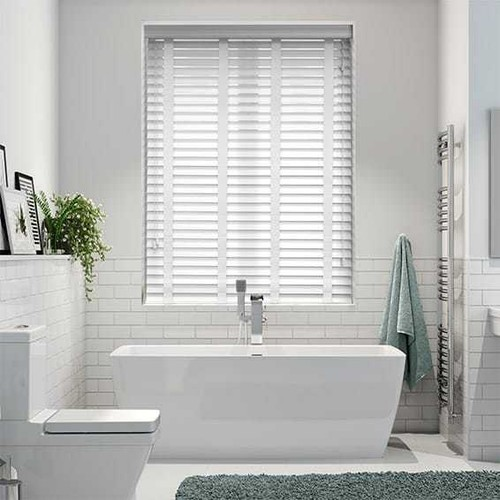 Bathroom
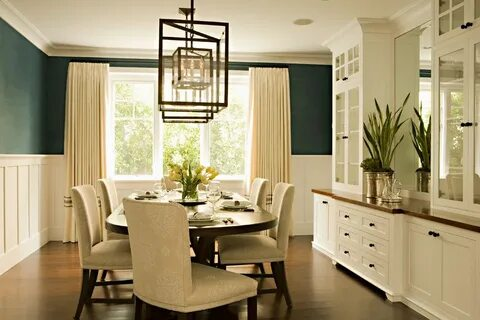 Dining Room
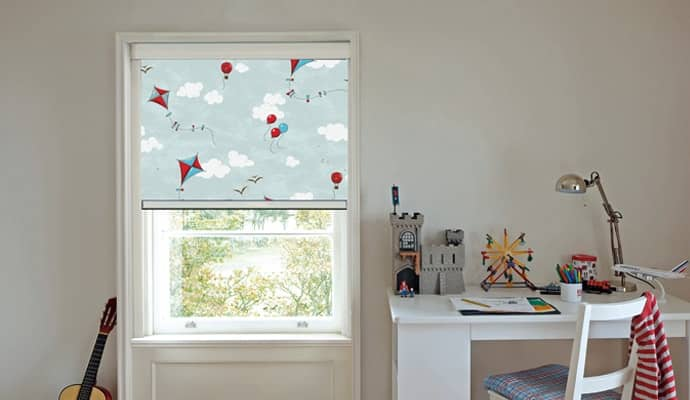 Kids Room
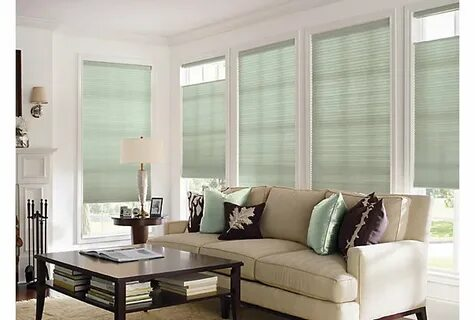 Living Room
 Bedroom
 Bay Window
 Conservatory Window
 Tild and Turn Window
 Bi Fold Window
 Roof of Skylight
 French Door
 Sliding Door
Venetian Blinds: The Complete UK Buyer's Guide (2026)
- by Mariam Labadze
Venetian blinds are one of the most recognisable window coverings in Britain. Walk down any residential street or step into any high street office and you will spot their familiar horizontal slats tilted at precisely the right angle to balance light and privacy. Yet despite their ubiquity, a huge number of UK homeowners buy venetian blinds without fully understanding which type is right for their room, their window, or their lifestyle. This guide covers everything you need to know before making a purchase in 2026.
What Are Venetian Blinds?
A venetian blind consists of horizontal slats — typically between 16 mm and 50 mm wide — suspended on fabric tapes or cords. The slats can be rotated to control the angle of incoming light, and the entire blind can be raised or lowered using a single lift cord. The name comes from Venice, though the design was popularised across Europe and North America during the eighteenth century and has barely changed since.
Today venetian blinds are manufactured in three core materials: real wood, faux wood (also called PVC or composite wood), and aluminium. Each brings different strengths, price points, and maintenance requirements. Choosing the wrong material for a humid bathroom or a south-facing conservatory can lead to warping, discolouration, and disappointment within months.
Types of Venetian Blinds
Real Wood Venetian Blinds
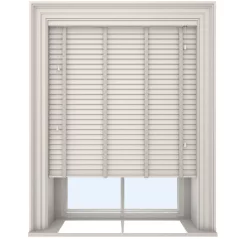
Real wood venetian blinds bring warmth and texture that no synthetic alternative can fully replicate. Basswood is the most common timber used in the UK market, prized for its light weight and straight grain. A real wood blind in a soft white or natural oak finish complements both traditional and contemporary interiors with equal ease.
The main drawback is moisture sensitivity. Real wood venetian blinds should not be fitted in bathrooms, utility rooms, or above kitchen sinks where steam and condensation are a daily occurrence. Prolonged exposure to moisture causes slats to bow, crack, and lose their smooth rotation.
Faux Wood Venetian Blinds
Faux wood venetian blinds — made from PVC or a composite of wood fibre and polymer — look remarkably similar to the real thing at a fraction of the cost. More importantly for UK homes, they are completely moisture resistant. You can install them in a bathroom, a kitchen, or a conservatory without any concern about warping.
Faux wood slats tend to be slightly heavier than real wood, which can make very wide blinds feel less elegant when fully raised. However, for windows up to 180 cm wide, the difference is barely noticeable in day-to-day use.
Aluminium Venetian Blinds
Aluminium venetian blinds are the slimmest and most affordable option. Their narrow slats (typically 16 mm or 25 mm) create a clean, modern appearance well-suited to contemporary home offices, kitchens, and commercial spaces. Aluminium is inherently moisture resistant and incredibly lightweight, making these blinds easy to raise even at very wide widths.
The trade-off is sound. Aluminium slats can rattle in a draught and the material has no thermal insulation benefit, unlike honeycomb or thermal alternatives.
💡 Not sure which material suits your home? Our venetian blinds collection includes real wood, faux wood, and aluminium options with free UK delivery.
Browse the full range of venetian blinds at 1ClickBlinds, available in dozens of colours and finishes.
Choosing the Right Slat Width
Slat width has a significant impact on how a venetian blind looks and functions. Narrow slats (16–25 mm) stack more compactly when the blind is raised, which suits windows where you want to maximise the light opening. Wider slats (35–50 mm) create a more dramatic visual statement and tend to be associated with real or faux wood blinds used in living rooms and bedrooms.
As a rule of thumb: choose narrower slats for smaller windows or rooms where a minimal aesthetic is the goal, and wider slats where you want the blind itself to become a design feature.
Measuring for Venetian Blinds
Accurate measuring is the single most important step in buying venetian blinds online. Measure the width and drop of the recess or window frame at three points — top, middle, and bottom — and use the smallest measurement to ensure the blind fits without binding. For a recess fit, deduct 5–10 mm from the width to allow the slats to tilt freely without catching on the sides.
For an exact walkthrough, see our step-by-step guide to measuring blinds correctly before ordering.
Installation: Recess or Face Fit?
Venetian blinds can be fitted inside the window recess (recess fit) or in front of it against the wall or frame (face fit). A recess fit gives a neat, integrated look but requires a minimum recess depth of around 60 mm for the headrail and slats to sit without touching the glass. A face fit covers more of the window surround but allows you to make the blind generously wider than the opening for better light blocking.
Most venetian blinds come with a simple bracket-and-clip headrail system that clips securely into place with no special tools required beyond a tape measure and a drill.
If you prefer a completely drill-free solution, explore our range of no-drill blinds — many venetian styles are available in no-drill configurations.
Light Control and Privacy
One of the defining advantages of venetian blinds over roller or Roman blinds is their granular light control. By rotating the slats you can flood a room with diffused natural light, reduce glare on a screen, or achieve near-complete privacy in the evening — all without raising or lowering the blind itself. This flexibility makes venetian blinds a popular choice for home offices and street-facing living rooms.
For complete darkness, pair venetian blinds with a blackout roller blind or lined curtains. Venetian blinds alone will never block 100% of light because the cords and the slight gaps between slats allow a small amount of light through at the edges.
How to Clean Venetian Blinds
Venetian blinds are easy to maintain if you build a simple routine. Dust the slats regularly with a microfibre cloth or a dedicated blind duster, working along each slat in one direction to avoid scratching the surface. For a deeper clean, aluminium and faux wood slats can be wiped down with a damp cloth and a small amount of washing-up liquid.
Real wood slats should never be soaked. Use a slightly damp cloth followed immediately by a dry one. Avoid steam cleaners, which can cause the wood to swell and the slats to lose their flat profile.
For the right accessories to keep your blinds in perfect condition, visit our blinds accessories collection.
Are Venetian Blinds Right for You?
Venetian blinds are an excellent choice if you value precise light control, a classic aesthetic, and a long-lasting window covering that ages well. They suit living rooms, bedrooms, home offices, and kitchens. For bathrooms and rooms with high humidity, choose faux wood or aluminium rather than real wood.
If you are renting and cannot drill into window frames, look for no-drill venetian blinds that use tension or clip-on brackets. If you want something softer and more fabric-led, a Roman blind or a roller blind might be a better fit for your interior.
Ready to shop? See the complete venetian blinds collection at 1ClickBlinds with options from £29 and free UK delivery.




)