Skip to content


 Vertical Blinds
 Roman Blinds
 Roller Blinds
 Venetian Blinds
 Day and Night Blinds
 Skylight Blinds
 Children
 Wooden Blinds
 Curtains
 Blinds Accessories
 White
White Yellow
 Gold
Gold Green
Green Grey
Grey Pink
Pink Orange
 Animal
 Floral
 Geometric
 Striped
 Motorized Day and Night Blinds
 Motorized Roller Blinds
 No Drill Rollers
 Perfect Fit Wooden
 Perfect Fit Metal
 Thermal Blinds
 Better Sleep Blinds
 Cordless Blinds
 No Drill Blinds
 Blackout Blinds
 Waterproof Blinds
 Easy Wipe Blinds
 Taped Blinds
 Conservatory
 Office
 Kitchen
 Bathroom
 Dining Room
 Kids Room
 Living Room
 Bedroom
 Bay Window
 Conservatory Window
 Tild and Turn Window
 Bi Fold Window
 Roof of Skylight
 French Door
 Sliding Door
Perfect Fit Pleated Blinds: Neat, No-Drill Cover for Doors and Windows
- by Mariam Labadze
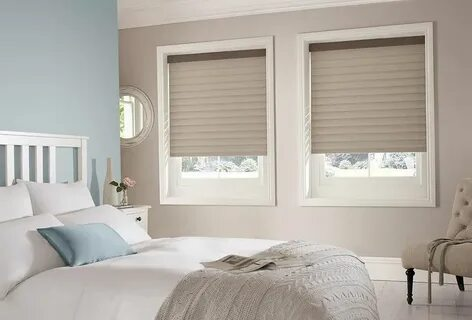
 Perfect fit pleated blinds are concertina-folded fabric blinds set in a slim clip-in frame that grips the rubber seal around a UPVC window or door, with no drilling needed. They sit flush against the glass, fold away tidily and move with the door, which makes them a discreet, practical cover for UPVC doors, conservatories and everyday windows.
The pleated fabric folds up like a fan into a compact stack, so even when lowered the blind keeps a slim, unobtrusive profile against the glass. Held in the perfect fit frame, it stays flat and steady rather than swinging on a door. For homeowners who want something neat and low-key rather than a bulky hanging blind, this format works beautifully. Here is what they are and where they earn their place.
[toc]
What are perfect fit pleated blinds?
The blind itself is a length of fabric pressed into fine, permanent pleats, so it concertinas open and shut. Raise it and the pleats collapse into a slim stack; lower it and the fabric fans out to cover the glass. Set that pleated fabric into a rigid clip-in frame and you have a perfect fit pleated blind: a tidy, self-contained unit sized to the glass pane.
Standard pleated blinds hang and operate on their own, but the perfect fit version adds the frame that holds everything flat against the glass. That is what gives the clean, built-in appearance and stops the blind moving independently of a door. You still get the soft, textured look of pleated fabric and gentle, diffused light, with the practical bonus of the frame.
A discreet, slim profile
The appeal of pleated fabric is how little space it takes. Folded, it sits as a shallow band across the top of the glass, barely intruding. That slimness is why perfect fit pleated blinds suit doors and busy windows where a chunkier blind would feel in the way, and why they read as understated rather than dominant in a room.
How the no-drill frame works
Every UPVC window and door shares the same build: a glass pane held by a plastic bead, sealed with a rubber gasket. The perfect fit frame is designed to use that gasket.
Small brackets push into the rubber seal around the bead. The frame then clips onto those brackets and sits flush against the glass, holding the pleated blind within it. The whole assembly is held by tension and the grip of the brackets, so there are no screws, no adhesive and no holes. Unclip the frame and pull the brackets out, and the window is left untouched.
Because it needs no tools, this format belongs to the wider family of no drill blinds, which is a strong choice for renters and for anyone reluctant to drill into UPVC. Fitting is a one-person job that takes only a few minutes per window once you have measured the glass pane and the bead depth accurately.
Where perfect fit pleated blinds work best
UPVC doors
Doors are the standout use. Clipped to the door glass, a perfect fit pleated blind moves as one with the door, so it never swings, rattles or catches when you open and close. The slim folded stack keeps the handle area clear and the whole thing looks tidy from both sides. Back doors, French doors and patio doors with a fixed glazed panel all take them well.
Conservatories
Conservatories are the other natural home. Rooms wrapped in glass need light control on many panes at once, and pleated blinds handle that neatly because each pane gets its own slim, individually operated blind. Look at a dedicated range of conservatory blinds and you will often see pleated fabrics featured, precisely because the slim profile suits the tight glazing bars and angled frames typical of a conservatory.
There is a comfort benefit too. Conservatories swing between too hot in summer and too cold in winter, and the right fabric helps on both counts. Which brings us to heat.
Do they help with heat?
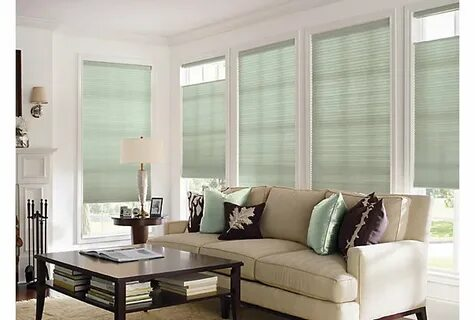
Pleated blinds can genuinely assist with temperature, especially in the thermal versions. Some pleated fabrics are made with a honeycomb or cellular structure, where the pleats form little pockets of trapped air. That trapped air acts as insulation, slowing heat loss through the glass in winter and reducing solar gain in summer.
For a glass-heavy room this matters. Fitting thermal blinds with a cellular pleat can take the edge off both the summer greenhouse effect and the winter chill, making a conservatory usable across more of the year. The frame helps here as well: because a perfect fit blind sits flush against the glass with the edges enclosed, it traps the air layer more effectively than a blind hanging loosely in front of the window.
Set expectations sensibly, though. A blind reduces heat transfer, it does not stop it. Pleated thermal blinds are a real, worthwhile improvement rather than a cure for a poorly glazed conservatory.
Choosing and caring for them
A few pointers before you buy:
-
Fabric type. A plain pleated fabric gives a soft look and diffused light; a cellular or honeycomb pleat adds the insulation benefit and is the one to choose for a conservatory or a cold room.
-
Light level. Lighter fabrics keep rooms bright and airy; dimout fabrics give more shade and privacy. Pleated blinds are generally not a full blackout, so bear that in mind for bedrooms.
-
Colour. Neutrals suit most schemes and hide everyday marks; bolder shades make a feature of a large door or window.
Care is easy. Dust the folds with a soft cloth or a vacuum brush on low suction, and spot-clean gently rather than soaking the fabric. Because the frame unclips, you can lift the whole unit out to clean the glass behind and clip it back in seconds. Raise and lower the blind smoothly rather than yanking it, and the pleats will keep their crisp fold for years.
For a neat, no-drill cover that suits UPVC doors and conservatories especially well, perfect fit pleated blinds are hard to better. They are discreet, easy to fit and remove, and with a cellular fabric they earn their keep on comfort too.
Frequently asked questions
What are perfect fit pleated blinds?
They are concertina-folded fabric blinds held in a slim clip-in frame that grips the rubber seal around a UPVC window or door bead. The frame sits flush against the glass with no drilling, so the blind stays tidy, folds into a slim stack and moves with a door. You raise and lower the pleated fabric to control light and privacy.
Are pleated blinds good for conservatories?
Yes, they are one of the most popular conservatory choices. The slim profile suits the many panes and angled frames of a conservatory, each pane gets its own individually operated blind, and cellular pleated fabrics add insulation against summer heat and winter cold. That combination of neat fit and temperature control is why they feature so often in conservatory ranges.
Do perfect fit pleated blinds keep heat in?
Cellular or honeycomb pleated fabrics do help retain heat, because the pleats trap pockets of air that slow heat loss through the glass in winter and reduce solar gain in summer. A perfect fit frame improves this further by sitting flush against the glass and enclosing the edges. They reduce heat transfer noticeably rather than stopping it entirely.