 Skip to content


 Vertical Blinds
 Roman Blinds
 Roller Blinds
 Venetian Blinds
 Day and Night Blinds
 Skylight Blinds
 Children
 Wooden Blinds
 Curtains
 Blinds Accessories
 White
White Yellow
 Gold
Gold Green
Green Grey
Grey Pink
Pink Orange
 Animal
 Floral
 Geometric
 Striped
 Motorized Day and Night Blinds
 Motorized Roller Blinds
 No Drill Rollers
 Perfect Fit Wooden
 Perfect Fit Metal
 Thermal Blinds
 Better Sleep Blinds
 Cordless Blinds
 No Drill Blinds
 Blackout Blinds
 Waterproof Blinds
 Easy Wipe Blinds
 Taped Blinds
 Conservatory
 Office
 Kitchen
 Bathroom
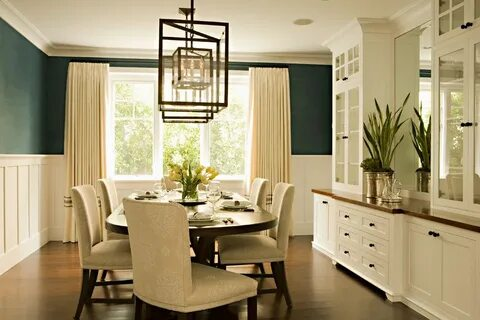 Dining Room
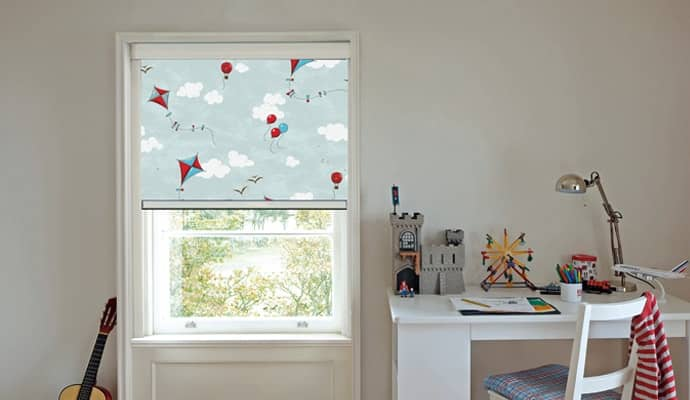 Kids Room
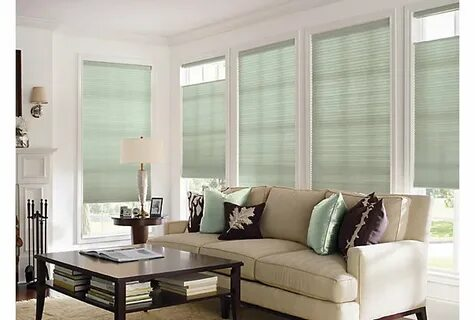 Living Room
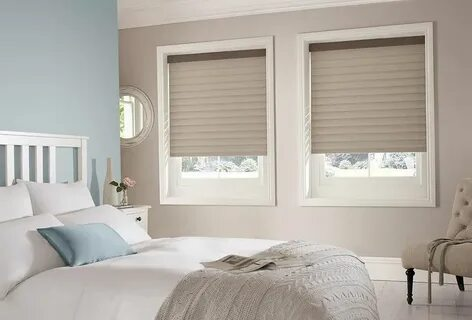 Bedroom
 Bay Window
 Conservatory Window
 Tild and Turn Window
 Bi Fold Window
 Roof of Skylight
 French Door
 Sliding Door
Roman Blinds: The Complete UK Buyer's Guide (2026)
- by Mariam Labadze
 Roman blinds occupy a singular place in British interior design. They bring the elegance of curtains with the practicality of a fitted blind — folding into neat horizontal pleats as they rise, and falling into a flat, clean panel when lowered. For bay windows, sash windows, and kitchen doors alike, Roman blinds offer a tailored, fabric-led finish that roller and venetian blinds rarely match for sheer visual warmth.
If you are considering Roman blinds for your home in 2026, this guide will help you understand the different styles, fabrics, and fitting options available across the UK market, so you can make the right choice first time.
How Roman Blinds Work
A Roman blind is constructed from a single piece of fabric attached to a series of horizontal rods or dowels sewn into the back of the material. When you pull the lift cord, the rods stack upon each other to create the characteristic folded appearance. When released, the fabric drops flat to cover the window completely.
Because the fabric is continuous rather than slatted, Roman blinds are far better at blocking draughts than venetian or vertical blinds. The flush fit against the window frame also reduces heat loss in winter, making them a popular choice for older homes with original sash windows and less than perfect seals.
Roman Blind Styles: Which Fold Is Right for You?
Flat Roman Blinds
The most popular style in UK homes, flat Roman blinds hang completely smooth when lowered with no visible horizontal rods or stitching on the face of the fabric. The folds appear only when the blind is raised. This clean, minimal look works in almost any room and suits both plain and patterned fabrics equally well.
Hobbled Roman Blinds
Hobbled Roman blinds maintain their pleated fold even when fully lowered, creating a layered, luxurious appearance. They use slightly more fabric than a flat Roman and carry a softer, more traditional feel. They are a popular choice for formal living rooms and master bedrooms where a degree of dressing and opulence is desired.
Relaxed Roman Blinds
Relaxed Romans curve gently at the base rather than hanging in a perfectly straight line. The slight swag gives them an informal, almost casual appearance that suits country kitchens, reading rooms, and garden rooms particularly well. They are best used with lighter fabrics where the gentle drape can show to best effect.
💡 Tip: If you are undecided between a flat and hobbled style, opt for the flat Roman. It is easier to clean, suits more fabric weights, and looks elegant in virtually any setting.
Choosing the Right Fabric
The fabric you choose for a Roman blind determines not only how the blind looks but how much light it filters and how easy it is to live with day to day. The main categories in the UK market are:
Linen and cotton weaves give a natural, relaxed finish and are very popular in UK homes. They filter daylight well without making a room feel dark, but they will not achieve complete blackout without a lining. Pure linen can be more prone to wrinkling than a linen-blend, so consider a weave with at least 30% polyester for everyday use.
Chenille and velvet fabrics are heavier, richer, and carry a stronger thermal benefit. They are best reserved for rooms where you want to make a statement — a home cinema, a formal dining room, or a period property bedroom.
Voile and sheer fabrics allow Roman blinds to filter light softly without blocking the view when the blind is down. They are best used in rooms with a separate blackout layer or in spaces where privacy is less of a concern, such as a high first-floor window.
Lined vs Unlined vs Blackout-Lined
Most Roman blinds sold in the UK come with the option of a standard lining, a thermal lining, or a blackout lining. An unlined Roman blind looks beautiful when backlit but offers minimal thermal performance and will allow light to pass through during daylight hours — fine for a decorative bathroom window, but rarely ideal elsewhere.
A standard cotton lining adds body to the fabric, helps the blind fold more neatly, and provides a modest improvement in thermal performance. A blackout lining takes this further, incorporating a dense foam or acrylic layer that blocks virtually all light from passing through the fabric itself — though note that light will still enter around the edges unless the blind is fitted flush to the recess with minimal side gaps.
For rooms where complete darkness is a priority, explore our dedicated range of blackout blinds, which includes options specifically engineered for bedrooms and nurseries.
Measuring for Roman Blinds
Roman blinds require careful measurement because, unlike a roller blind, the fabric is fixed at the top and must hang perfectly flat. Measure the width of the recess at three points and use the smallest measurement, deducting 10 mm each side to allow the blind to travel up and down freely without catching on the plaster. Measure the drop from the top of the recess to the windowsill, again at three points.
For a face fit, extend the width by at least 50 mm each side to prevent light bleeding around the edges. Allow an additional 50–75 mm above the window opening for the headrail and stack height.
Roman Blinds vs Curtains
This is the question most UK homeowners face when redesigning a living room or bedroom. Curtains bring volume, drama, and softness — and they can be drawn back completely to create a clear, open window. Roman blinds sit tidily within or just above the window recess and take up minimal wall space when raised. They are particularly well suited to bay windows, alcoves, and rooms where wall space is at a premium.
From a thermal perspective, lined curtains that puddle on the floor will generally outperform a Roman blind in a cold room. But a Roman blind is considerably easier to maintain, less likely to collect dust along the hem, and far simpler to clean and re-hang.
Roman Blinds in Specific Rooms
Kitchen
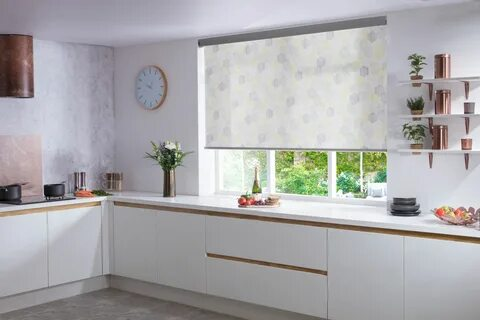
Roman blinds are a popular kitchen choice because they look smart above a worktop without hanging into the splash zone. Choose a wipeable, moisture-resistant fabric — or pair a fabric Roman with a plain roller blind in the same colourway for layered privacy.
Bedroom
In a bedroom, a lined or blackout-lined Roman blind in a deep colour or bold pattern makes a strong design statement. Pair with blackout lining for maximum sleep quality, particularly in east-facing rooms that catch the early morning sun.
Living Room
A living room Roman blind works best in a fabric that complements the other textiles in the room — the sofa upholstery, the cushions, the rug. A patterned fabric adds character; a plain one ties the space together calmly.
If your windows are in a conservatory or a room with high UV exposure, consider our roller blinds collection which includes UV-resistant options better suited to harsh sunlight than most Roman blind fabrics.
Cleaning and Care
Most Roman blind fabrics should be spot-cleaned rather than machine-washed when fitted. A damp cloth with a mild detergent will remove most everyday marks. If your blind has a removable cover, check the manufacturer's care label before washing — many linen and cotton fabrics are machine washable on a cool cycle, but the lining should never be tumble-dried.
Dust the fabric regularly with a soft brush attachment on a vacuum cleaner to prevent the accumulation of household dust, which can be particularly troublesome for those with allergies.
For a full range of cleaning tools and blind hardware, visit the blinds accessories section at 1ClickBlinds.
Final Verdict
Roman blinds are one of the most versatile and aesthetically pleasing window coverings available to UK homeowners. They bridge the gap between the tailored practicality of a fitted blind and the soft, warming character of a curtain. Choose the right fabric and lining for your room's light levels and lifestyle, measure carefully, and a well-made Roman blind will be a feature of your home for years to come.



)