Skip to content


 Vertical Blinds
 Roman Blinds
 Roller Blinds
 Venetian Blinds
 Day and Night Blinds
 Skylight Blinds
 Children
 Wooden Blinds
 Curtains
 Blinds Accessories
 White
White Yellow
 Gold
Gold Green
Green Grey
Grey Pink
Pink Orange
 Animal
 Floral
 Geometric
 Striped
 Motorized Day and Night Blinds
 Motorized Roller Blinds
 No Drill Rollers
 Perfect Fit Wooden
 Perfect Fit Metal
 Thermal Blinds
 Better Sleep Blinds
 Cordless Blinds
 No Drill Blinds
 Blackout Blinds
 Waterproof Blinds
 Easy Wipe Blinds
 Taped Blinds
 Conservatory
 Office
 Kitchen
 Bathroom
 Dining Room
 Kids Room
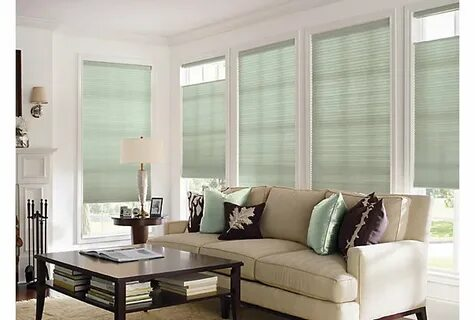 Living Room
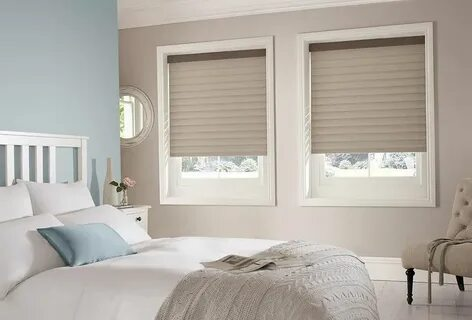 Bedroom
 Bay Window
 Conservatory Window
 Tild and Turn Window
 Bi Fold Window
 Roof of Skylight
 French Door
 Sliding Door
What Are the Most Energy Efficient Blinds You Can Buy?
- by Mariam Labadze
 The short answer is cellular honeycomb blinds — they are the most effective insulating blind available for residential use in the UK, and the gap between them and the next best option is meaningful. The longer answer requires understanding what energy efficiency in a blind actually means, which window types benefit most, and where the return on investment is worth pursuing.
[toc]
What Energy Efficiency Means for a Blind
An energy efficient blind reduces the rate of heat transfer through the window — in winter, slowing the rate at which warm room air loses heat to the cold glazing; in summer, slowing the rate at which solar radiation heats the room. The most relevant metric is the thermal resistance created by the blind, which depends on how effectively it traps still air between itself and the glass.
Still air is a good insulator. Moving air carries heat. Any blind that creates a layer of still air between the glass and the room will provide some thermal benefit. The question is how deep that layer is, how effectively it is sealed against circulation, and how many layers it involves.
The Most Energy Efficient Blind Types, Ranked
1. Double-Cell Honeycomb Blinds
Double-cell honeycomb blinds are the most energy efficient off-the-shelf blind available. The double-layer cellular construction traps two depths of still air, creating a significantly higher thermal resistance than any single-layer blind. Studies consistently show window heat loss reductions of 30 to 50 percent compared to unblinded glazing when double-cell honeycomb blinds are fitted and closed. For conservatories, large glazed areas and rooms with older double-glazing, these represent the most impactful single window-dressing improvement available.
2. Single-Cell Honeycomb Blinds
Single-cell honeycomb blinds provide meaningful insulation — less than double-cell but significantly more than any non-cellular alternative. For standard rooms with a moderate window area, single-cell honeycomb blinds are the practical energy efficiency upgrade that most closely matches the additional cost to the additional benefit.
3. Thermal-Lined Roller Blinds
Thermal blinds with a reflective or foam-backed lining provide a more modest energy benefit than cellular blinds. The reflective backing reduces radiant heat loss — heat radiating from warm room surfaces toward the cold glass — and the physical barrier created by the blind reduces convective circulation at the window surface. The combined effect is a useful improvement on an unlined blind, though significantly less than a cellular construction.
4. Blackout Roller Blinds
A quality blackout roller blind in a close-fitting installation provides some thermal benefit through the physical barrier it creates at the window. The foam or acrylic coating used in most blackout fabrics provides minimal but non-zero insulating value, and the reduction of convective air movement at the glass surface contributes to a slightly warmer room. The primary function of a blackout blind is light control, but it is a useful secondary benefit.
5. Standard Light-Filtering Blinds
Any blind provides marginally more insulation than no blind, purely through the reduction of air movement at the window surface. Standard light-filtering roller, pleated or Venetian blinds in a lightweight fabric provide a negligible but technically positive thermal contribution. They are not an energy efficiency product in any meaningful sense.
Which Windows Benefit Most?
The energy efficiency gain from a thermal blind is proportional to the thermal performance of the existing glazing. Single-glazed windows — still present in a significant number of UK period properties — lose heat at a rate five to six times higher than a well-insulated wall. A cellular blind on a single-glazed window provides a dramatic improvement in comfort, even if the absolute bill saving remains modest relative to the cost of replacing the glazing.
Older double-glazed units with a worn seal or an air-gap that has lost its insulating gas also benefit substantially. Modern triple-glazed units are already so thermally efficient that the marginal benefit of an energy efficient blind is smaller — though still present.
Fitting: Why It Matters as Much as the Blind
A honeycomb blind with gaps at the sides allows room air to circulate behind the blind and reach the cold glass, partially defeating the insulating effect. A snug recess fit, a face-fixed blind that extends beyond the frame, or a perfect fit honeycomb blind that clips into the window bead with no gaps will always outperform the same blind fitted loosely. For maximum energy efficiency, the fitting method is as important as the blind specification.
The Summary
For the most energy efficient blind available, specify a double-cell honeycomb blind in a close-fitting installation. For a balance of thermal performance and cost, single-cell honeycomb is the practical choice for most rooms. For rooms where light control and thermal performance are both wanted, a blackout honeycomb blind in a perfect fit format delivers both without compromise.
Browse the full range of thermal and energy efficient blinds to find the right specification for your windows.