 Skip to content


 Vertical Blinds
 Roman Blinds
 Roller Blinds
 Venetian Blinds
 Day and Night Blinds
 Skylight Blinds
 Children
 Wooden Blinds
 Curtains
 Blinds Accessories
 White
White Yellow
 Gold
Gold Green
Green Grey
Grey Pink
Pink Orange
 Animal
 Floral
 Geometric
 Striped
 Motorized Day and Night Blinds
 Motorized Roller Blinds
 No Drill Rollers
 Perfect Fit Wooden
 Perfect Fit Metal
 Thermal Blinds
 Better Sleep Blinds
 Cordless Blinds
 No Drill Blinds
 Blackout Blinds
 Waterproof Blinds
 Easy Wipe Blinds
 Taped Blinds
 Conservatory
 Office
 Kitchen
 Bathroom
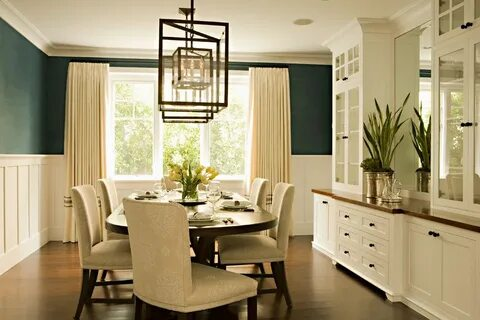 Dining Room
 Kids Room
 Living Room
 Bedroom
 Bay Window
 Conservatory Window
 Tild and Turn Window
 Bi Fold Window
 Roof of Skylight
 French Door
 Sliding Door
Wooden Blinds: Complete UK Buyer's Guide (2026)
- by Mariam Labadze
 Wooden blinds have been a staple of British interiors for good reason. They offer something that most window coverings cannot quite replicate: a warmth of material that changes with the light throughout the day, a natural texture that reads well at any scale, and a level of longevity that outlasts most fabric alternatives when properly cared for. They are not the right choice for every room in every home, but when they are the right choice, very little else comes close.
This guide covers everything you need to know before buying wooden blinds for a UK home — from real wood versus faux wood, to slat sizing, room suitability, and what to watch for when measuring up.
[toc]
Real Wood vs Faux Wood: Which Should You Choose?
This is the first and most important decision, and the right answer depends entirely on where the blind is going and what your budget is.
Real Wood Blinds
Real wood blinds are made from basswood, paulownia or similar lightweight hardwoods that are kiln-dried, sanded and finished in a range of stains and paints. The material has natural variation in grain and tone from slat to slat, which gives the finished blind a depth and authenticity that no composite can fully replicate. They are lighter than they look, which matters for larger blinds where the weight of the headrail and slats affects how smoothly the tilt and lift mechanisms operate.
The limitation of real wood is moisture sensitivity. Natural timber will warp, swell and potentially crack if subjected to prolonged humidity. This makes real wood blinds unsuitable for bathrooms, kitchens above the sink, or any room where steam is a regular presence. For living rooms, bedrooms, dining rooms and studies, however, real wood blinds perform reliably and look exceptional over many years.
Faux Wood Blinds
Faux wood blinds are made from PVC, composite materials or a wood-polymer blend. The better ones are visually convincing — particularly when viewed from normal room distances — and they offer a significant practical advantage over real wood in that they are entirely moisture-resistant. A faux wood blind in a bathroom or kitchen will not warp, discolour or degrade in the way that real timber would.
The trade-off is weight and feel. Faux wood slats are heavier than real wood equivalents at the same size, which can make larger blinds feel slightly less refined to operate. The finish is also more uniform — which reads as cleaner in some rooms but less characterful in others. For humid rooms or for anyone looking to extend the aesthetic of wooden blinds into spaces where real timber is impractical, faux wood is a sound and durable choice.
Slat Width: 25mm, 35mm or 50mm?
Wooden Venetian blinds are available in three standard slat widths, and the choice affects both the appearance of the blind and its practical light control.
25mm slats are the narrowest option and create a more traditional, fine-louvred look. They work well in smaller windows and rooms with a classical or period aesthetic, but they require more slats to cover the same area, which adds weight to the headrail and can make the tilt mechanism feel slightly stiffer on larger blinds.
35mm slats are the most versatile width and the most commonly specified for residential use. They balance visual proportion across a range of window sizes without feeling either too delicate or too dominant. If you are unsure which width to choose, 35mm is the safest starting point for most standard UK windows.
50mm slats are the widest standard option and produce a bold, contemporary look. They work particularly well in large windows, double-height spaces or rooms with a strong architectural character. Each slat covers more area, so the blind operates with fewer components and tends to feel more substantial — which some people prefer and others find slightly heavy. In a room where the blind is a design feature rather than a background element, 50mm is often the most striking choice.
Which Rooms Are Wooden Blinds Best Suited To?
Living Rooms and Dining Rooms
This is where wooden blinds perform best. The material sits naturally alongside timber furniture, wooden floors and woven textiles, and the tilt mechanism gives precise control over both privacy and light levels throughout the day. In a south-facing living room, the ability to tilt the slats downward while keeping the blind raised allows natural light in while preventing direct glare — something curtains cannot do.
Bedrooms
Real wood blinds work well in bedrooms, particularly where a warmer aesthetic is preferred over the starker look of a roller blind. They do not provide full blackout — light passes between the slats and around the edges — so for anyone who needs a genuinely dark room, pairing a wooden blind with a blackout blind behind it, or choosing a blackout roller blind as the primary treatment, is a more effective approach. Used as a privacy and light-filtering layer, however, wooden blinds in a bedroom are hard to fault aesthetically.
Kitchens
In a kitchen, the choice between real and faux wood becomes critical. Above the sink or in a kitchen that generates significant steam, real wood is not appropriate — the moisture will cause warping within months. A faux wood blind in the same finish offers identical aesthetics with the moisture resistance the environment demands. For a kitchen that is used lightly or where steam is minimal, real wood can be used cautiously, though faux wood remains the more sensible long-term choice.
Bathrooms
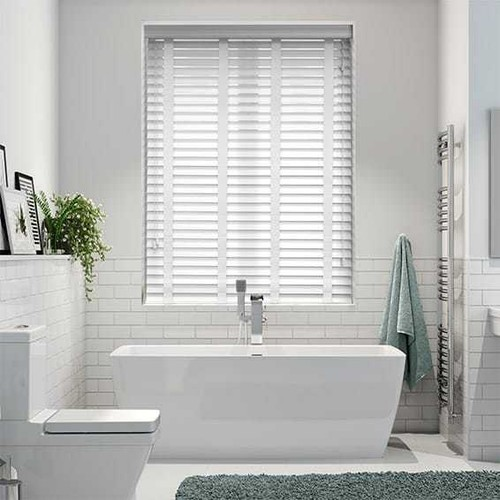
Bathrooms should always be fitted with faux wood rather than real. Even in bathrooms with good ventilation, the ambient humidity from regular use is enough to affect natural timber. A well-made faux wood blind in a bathroom will last a decade or more and will look identical to a real wood blind at any normal viewing distance.
How to Measure for Wooden Blinds
Wooden blinds can be fitted inside the window recess or face-fixed to the wall or frame above the window. Both approaches produce good results, but they require different measurements and produce different visual effects.
For a recess fit, measure the width at three points — top, middle and bottom of the recess — and use the smallest measurement. Deduct 10mm from this figure to allow for the blind to operate without catching on the sides. For the drop, measure from the top of the recess to the window sill and use the full figure. The blind will be made to sit within this space with a small clearance at the top.
For a face fix, measure the full width you want the blind to cover — typically the window frame width plus an overhang of 5 to 8cm on each side to prevent side-light bleed. For the drop, measure from your intended fixing point to wherever you want the blind to fall, whether that is the sill, below the sill, or to the floor.
The headrail of a wooden Venetian blind is typically 6 to 8cm deep. On a face-fixed blind, this headrail sits proud of the wall. On a recess-fitted blind, the headrail sits within the recess and the available drop for the slats is the recess depth minus the headrail. Factor this in when specifying the drop measurement.
Finishes, Stains and Paints
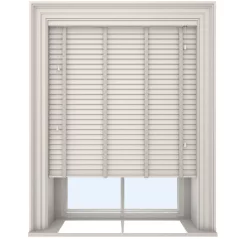
Wooden blinds are available in a range of natural wood stains — from light oak and natural pine through to mid-toned walnut and dark espresso — as well as painted finishes in white, cream and grey. Stained finishes preserve the grain and texture of the wood and are typically the most popular choice for rooms with timber floors or furniture, where matching or complementing the tone of the wood creates a cohesive interior.
Painted finishes in white and off-white are the most versatile option for rooms that might change colour scheme over time, and they work particularly well in period properties where painted woodwork is the norm. A white wooden blind against white window frames reads as almost invisible — all light and texture, no strong visual statement. This is precisely the appeal for many buyers.
Care and Maintenance
Wooden blinds require less maintenance than most people expect. The main task is regular dusting of the slats, which can be done with a dry microfibre cloth or a purpose-made blind duster that cleans several slats at once. Close the slats flat, dust one side, reverse the tilt to close them the other way, and dust the reverse. This takes less than two minutes per blind and prevents the build-up of dust that causes the most visible deterioration in appearance over time.
For more thorough cleaning, a barely damp cloth will remove most marks from real wood without causing damage, provided the wood is not left wet. Never use steam cleaners on real wood blinds, and avoid saturation of any kind. Faux wood is considerably more forgiving and can be wiped down with a damp cloth freely.
Ready to Choose?
Wooden blinds reward careful selection. The right slat width for your window size, the right choice between real and faux wood for the room's environment, and a finish that complements rather than competes with the interior will produce a result that looks considered and lasts well. For humid rooms, faux wood is the unambiguous choice. For everything else, real wood remains the more refined material.
Browse the full range of real wood and faux wood blinds made to your exact measurements, or explore how wooden blinds compare to Venetian blinds if you are still deciding between the two.




)