Skip to content


 Vertical Blinds
 Roman Blinds
 Roller Blinds
 Venetian Blinds
 Day and Night Blinds
 Skylight Blinds
 Children
 Wooden Blinds
 Curtains
 Blinds Accessories
 White
White Yellow
 Gold
Gold Green
Green Grey
Grey Pink
Pink Orange
 Animal
 Floral
 Geometric
 Striped
 Motorized Day and Night Blinds
 Motorized Roller Blinds
 No Drill Rollers
 Perfect Fit Wooden
 Perfect Fit Metal
 Thermal Blinds
 Better Sleep Blinds
 Cordless Blinds
 No Drill Blinds
 Blackout Blinds
 Waterproof Blinds
 Easy Wipe Blinds
 Taped Blinds
 Conservatory
 Office
 Kitchen
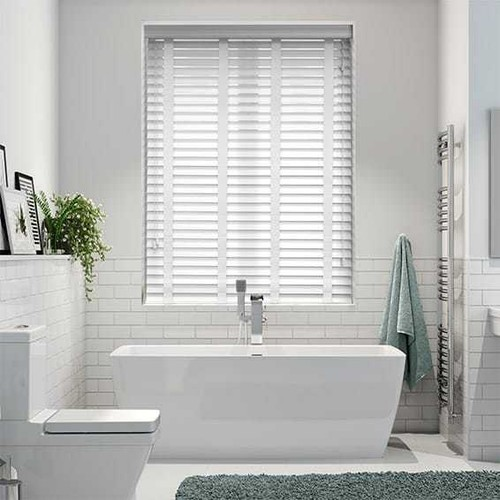 Bathroom
 Dining Room
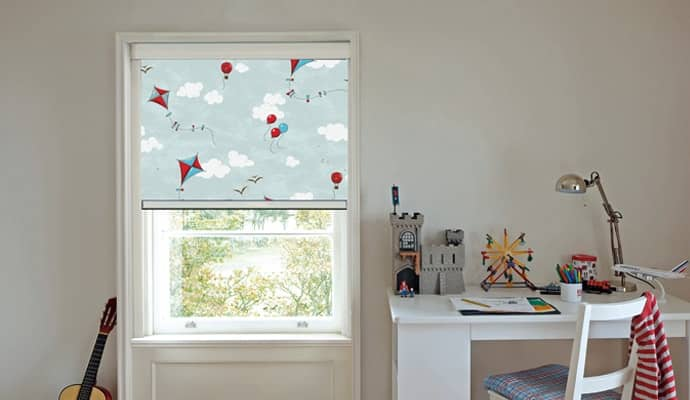 Kids Room
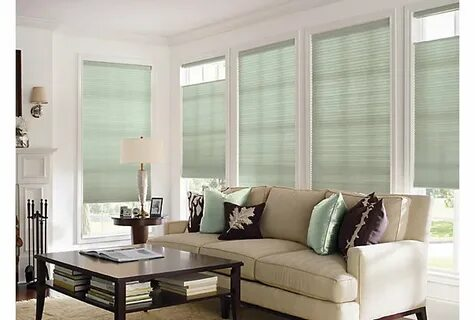 Living Room
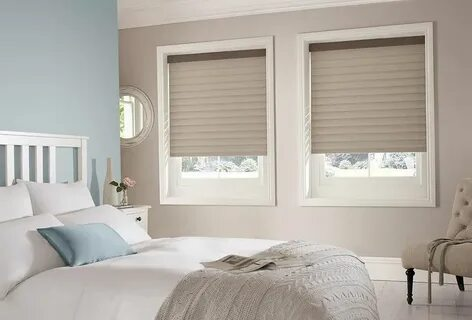 Bedroom
 Bay Window
 Conservatory Window
 Tild and Turn Window
 Bi Fold Window
 Roof of Skylight
 French Door
 Sliding Door
Perfect Fit Shutters vs Perfect Fit Blinds: Which Looks Better?
- by Mariam Labadze
 Both products share a fitting system. Both perfect fit shutters and perfect fit blinds clip into the rubber bead of a uPVC or aluminium window frame with no drilling, no brackets and no damage to the surrounding wall. From a practical standpoint, the installation experience is similar and the portability is the same. Beyond that shared mechanism, however, they are quite different products — and choosing between them is less about fitting and more about what you want the window to do in your room.
[toc]
How They Look: The Fundamental Difference
A perfect fit blind presents a flat surface — fabric in the case of a roller or pleated blind, or a grid of slats for a Venetian — that fills the window when lowered and disappears into a slim headrail when raised. The blind does not have a strong visual presence in the room. When up, the window is unobstructed and the glazing fully visible. When down, the fabric or slats provide a surface that controls light or privacy without drawing particular attention to itself. The aesthetic is clean, contemporary and understated.
A perfect fit shutter is a different kind of thing entirely. It presents a structured panel of louvres within a visible frame that occupies the window permanently. When the louvres are open, you can see through the slats, but the shutter frame and panel divisions remain visible at all times. When the louvres are closed, the shutter creates a solid flat surface. The shutter adds visual weight and architectural character to the window in a way that no blind can replicate — which is precisely the appeal for a very large number of buyers.
The question is not which product looks better in isolation — it is which changes the character of your room in the direction you want.
Room Character: Which Suits Your Interior?
When Perfect Fit Blinds Are the Better Fit
Blinds work best in rooms where the window dressing should be functional but unobtrusive. If the interior has strong wallpaper, distinctive furniture, artwork or architectural features that carry the visual interest of the room, a blind that disappears when raised and sits quietly when lowered is usually the right choice. The blind does its job without competing with what is already in the room.
Modern and Scandinavian interiors — clean lines, neutral palettes, minimal decoration — are natural homes for roller or pleated perfect fit blinds. The simplicity of the blind reinforces rather than interrupts the aesthetic.
When Perfect Fit Shutters Are the Better Fit
Shutters work best in rooms where the window is meant to be a feature. A window dressed with shutters does not disappear — it becomes part of the room's furniture in the same way a built-in bookcase or a fireplace does. In rooms with plain walls and simple decoration, shutters are often the single most impactful addition available.
Traditional and transitional interiors — Georgian proportions, heritage colour palettes, natural materials — are classic shutter territory. But shutters are equally at home in contemporary spaces where the louvred panel provides a graphic, architectural quality that simple fabric cannot. The louvre pattern itself is a design element.
Light Control: Where Shutters Have a Clear Advantage
A roller or pleated blind offers control over how much of the window is covered — how far down the fabric is drawn. A Venetian perfect fit blind adds the ability to tilt the slats. Neither offers the same range of light manipulation as a shutter.
Perfect fit shutters allow the louvres to be tilted to any angle, directing light upward toward the ceiling — where it reflects back into the room as diffuse, flattering illumination — or downward, or straight in. This directional control changes how a room feels at different times of day without the need to raise or lower the blind. For south-facing rooms where afternoon sun is intense, being able to angle the light away from a sofa or a screen without closing the window to the garden is a practical benefit that blinds do not offer.
Shutters also allow panels to be folded back independently. In a room with two windows side by side dressed with shutters, one panel can be open to the garden and the other tilted for privacy — a flexibility of configuration that a single blind cannot provide.
Privacy: Day and Night
During daylight hours, both products provide good privacy when closed. A blackout roller blind in a perfect fit frame provides complete visual privacy. Shutter louvres tilted slightly downward provide privacy from street level while still admitting diffused light from above.
At night, the dynamics change. A lit room behind a drawn roller blind is opaque from outside. A lit room behind a shutter with louvres set at an angle may allow partial views from outside depending on the viewing position. Closing the louvres fully resolves this, but it eliminates air movement through the window. For ground-floor rooms facing a busy pavement, this is worth considering.
Insulation and Acoustics
Perfect fit shutters provide better insulation than blinds. The rigid panel construction creates a still air gap between the glass and the room, which reduces heat loss in winter and moderates solar gain in summer. In a room with a large window — particularly a single-glazed or older double-glazed unit — the thermal benefit of closed shutter panels is measurable and noticeably felt as improved comfort on cold days.
Shutters also reduce external noise transmission more effectively than fabric. The rigid panel acts as an acoustic barrier that a lightweight roller blind fabric does not. For rooms near a busy road or in an urban environment with ambient noise, this is a practical advantage that blinds cannot match.
Maintenance and Longevity
Roller and pleated blinds require wiping of the fabric surface periodically and replacement of the blind when the fabric degrades — typically after five to ten years of daily use and UV exposure. The perfect fit frame itself is considerably more durable than the fabric it holds.
Perfect fit shutters require dusting of the louvres — a task that takes longer than wiping a roller blind but needs doing less frequently — and occasional cleaning of the panel surface. The shutter itself, in a quality painted composite or hardwood material, will outlast multiple generations of roller blinds. If the long-term cost of ownership rather than the upfront price is the relevant calculation, shutters are not necessarily the more expensive option over a ten or fifteen year period.
The Honest Verdict
If you want a window dressing that performs its function cleanly and disappears when not needed, perfect fit blinds are the right choice. They are less expensive, faster to swap out as tastes or circumstances change, and available in more fabric and colour options.
If you want the window to be a permanent design element — a feature that adds architectural character, provides superior light direction, insulates better and lasts for decades — perfect fit shutters are worth the additional investment. They are not interchangeable with blinds; they are a different category of product that happens to share the same fitting system.
The fitting system is the starting point, not the conclusion. Explore the full range of perfect fit shutters and perfect fit blinds to compare what each would bring to your window.