Skip to content


 Vertical Blinds
 Roman Blinds
 Roller Blinds
 Venetian Blinds
 Day and Night Blinds
 Skylight Blinds
 Children
 Wooden Blinds
 Curtains
 Blinds Accessories
 White
White Yellow
 Gold
Gold Green
Green Grey
Grey Pink
Pink Orange
 Animal
 Floral
 Geometric
 Striped
 Motorized Day and Night Blinds
 Motorized Roller Blinds
 No Drill Rollers
 Perfect Fit Wooden
 Perfect Fit Metal
 Thermal Blinds
 Better Sleep Blinds
 Cordless Blinds
 No Drill Blinds
 Blackout Blinds
 Waterproof Blinds
 Easy Wipe Blinds
 Taped Blinds
 Conservatory
 Office
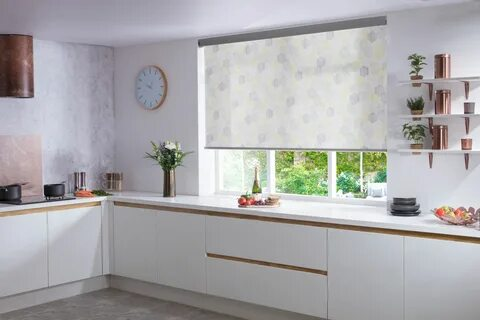 Kitchen
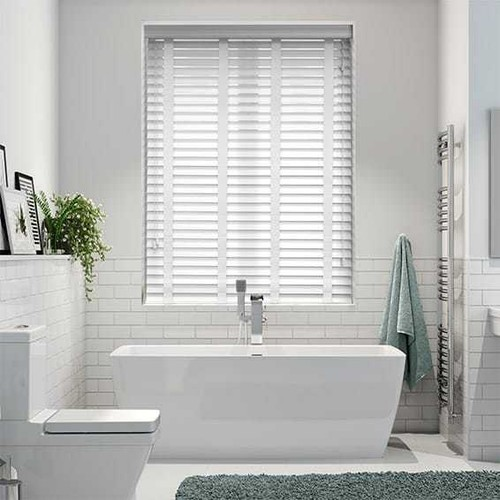 Bathroom
 Dining Room
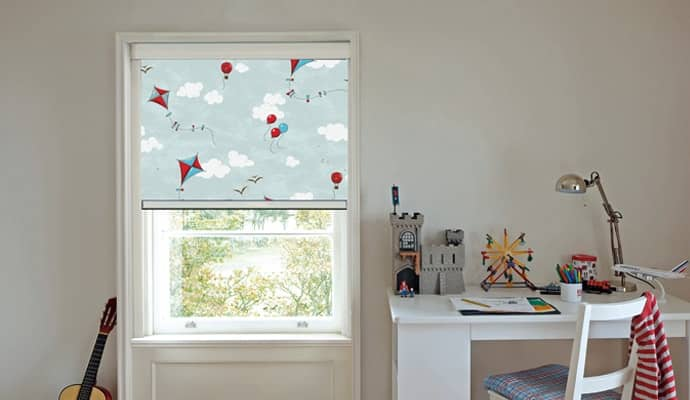 Kids Room
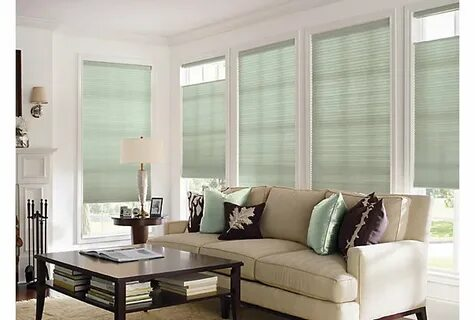 Living Room
 Bedroom
 Bay Window
 Conservatory Window
 Tild and Turn Window
 Bi Fold Window
 Roof of Skylight
 French Door
 Sliding Door
Perfect Fit Shutters vs Traditional Shutters: Honest Comparison
- by Mariam Labadze
 Shutters have become one of the most sought-after window treatments in UK homes over the past decade. Their appeal is easy to understand — they look architectural, they last for years, and they offer a level of light control that curtains and most blinds simply cannot match. The choice that stops many buyers is not whether to have shutters, but which type. Perfect fit shutters and traditional frame-mounted shutters are the two main categories, and while they look virtually identical from across a room, the differences in how they are installed, what they cost and who they suit are significant enough to deserve a straight-talking comparison.
[toc]
What Traditional Shutters Actually Are
Traditional shutters — the type that has dominated the premium window dressing market for the past two decades — are installed using a fixed frame, known as a Z-frame or L-frame, that is either screwed into the surrounding wall or bonded around the window surround. The shutter panels hinge from this fixed frame. The louvres within each panel are controlled by a tilt rod, and the panels can be folded back against the wall or closed across the window.
Crucially, the fixed frame becomes part of the room's architecture. It sits within the window reveal — or sometimes proud of it — and does not move. The shutter panels open and close from it, but the frame stays put. This is the source of both the appeal and the limitation of traditional shutters: they look built-in because they are built-in.
Installation requires a professional fitter. The reveal must be measured precisely, the frame constructed to fit, and the panels hung and adjusted on site. Lead times from order to installation typically run four to eight weeks, and the cost reflects the bespoke manufacture and skilled fitting involved.
What Perfect Fit Shutters Are
Perfect fit shutters use the same clip-in bead system found in perfect fit blinds. The shutter frame — which carries the louvres and panels — clips directly into the rubber bead of a uPVC or aluminium window frame. No drilling into walls or frames, no adhesive, no professional fitter required. The shutter clips in with hand pressure and releases the same way.
The louvre style, panel proportions and finish quality of a perfect fit shutter are indistinguishable from a traditional shutter at normal room distance. The operating mechanism — the tilt rod, the panel hinges, the louvre angle — is the same. The only meaningful difference is in how the outer frame is fixed.
Installation: The Difference in Practice
Traditional shutter installation typically takes a professional fitter two to three hours per window. The process involves securing the fixed frame to the wall, checking for level and plumb, hanging the shutter panels, adjusting the hinges and confirming the louvres operate correctly. Any imperfection in the wall reveal — gaps, uneven plaster, non-square corners — needs to be addressed before fitting. Damage to the wall is inevitable; it is a fixed installation and removing it later requires making good.
Perfect fit shutter installation takes a homeowner or renter approximately ten to fifteen minutes per window. Hold the frame to the window bead, press the clips in starting from one corner, work around the perimeter until all clips are engaged, and the shutter is fitted. Removing it is equally straightforward — press the frame away from the bead at one corner and work around to release. The window bead is completely undamaged throughout.
For renters or frequent movers: perfect fit shutters take your investment with you. Traditional shutters stay with the building.
Appearance: Is There a Visible Difference?
From the front of the window, looking straight at it from a normal seating or standing position in the room, the two types are visually indistinguishable. Louvre style, panel divisions, finish options — all are available in both formats. Both close to a flush, unbroken surface. Both open to reveal the glazing behind.
The distinction that does sometimes appear is at the junction between the shutter frame and the window surround. Traditional shutters, with their wall-fixed frame, create a built-in appearance at this junction — the frame is part of the reveal, and the join is typically filled or finished to look architectural. Perfect fit shutters sit within the window bead rather than against the wall, so the outer edge of the shutter frame meets the bead profile rather than the plaster. In a modern uPVC window in a clean contemporary room, this is completely invisible. In a period property with a deep timber-lined reveal, a traditional shutter may look more proportionally resolved.
This is a subtle distinction that matters to some buyers and not at all to others. For the majority of UK homes with standard window reveals, it is not a meaningful visual difference.
Window Compatibility
Traditional shutters are compatible with almost any window — uPVC, aluminium, timber, sash windows, bay windows, arched tops and non-standard shapes. The bespoke fixed frame can be made to fit virtually any reveal depth, profile or geometry. This is the significant practical advantage of traditional shutters for older or period properties.
Perfect fit shutters require a uPVC or aluminium frame with the standard rubber bead channel. Without that bead, the clip-in mechanism has nothing to engage with and the shutter cannot be fitted. For the vast majority of homes built or substantially refurbished from the 1980s onwards, this is not a constraint. For properties with original timber sash windows or other non-rebated frames, traditional shutters are the only option.
Cost: What Is the Real Difference?
Traditional shutters are among the most expensive window dressings available in the UK residential market. A professionally measured, manufactured and installed traditional shutter for a standard casement window typically costs between £400 and £900, depending on panel size, louvre width, material and finish. Across a property with multiple windows, the total investment can be considerable.
Perfect fit shutters are less expensive both in product cost and in installation — the latter being zero if you fit them yourself. For buyers who want the look of shutters at a meaningfully lower total cost, perfect fit shutters are the most direct route.
Durability and Longevity
A well-made traditional shutter in a painted hardwood or quality composite material, properly maintained, will last twenty years or more. The fixed frame installation means there are no repeated mechanical stresses on the mounting system; the panels hinge from a stable frame that does not flex with use.
Perfect fit shutters are similarly durable in terms of the shutter panels and louvres themselves. The clip-in frame is subject to slightly more mechanical stress from repeated removal and refitting — though for shutters that are fitted and left in place, this is not a real-world concern. The clip mechanism is designed for repeated use and will not degrade with normal fitting and removal.
The Verdict
For properties with uPVC or aluminium windows where a no-damage, no-fitter installation is wanted — and particularly for renters who want to take their investment with them — perfect fit shutters are the clear recommendation. The appearance is equivalent, the installation is faster, the cost is lower and the portability is a genuine advantage.
For period properties with timber frames, non-standard window shapes, or deep reveals where the architectural integration of a wall-fixed frame is specifically wanted, traditional shutters are the appropriate product and their additional cost reflects the bespoke manufacture and skilled installation required.
Browse the full range of perfect fit shutters to find the right louvre width, panel configuration and finish for your windows.